


Radiators
Make
Category
Condition
In Stock
Price
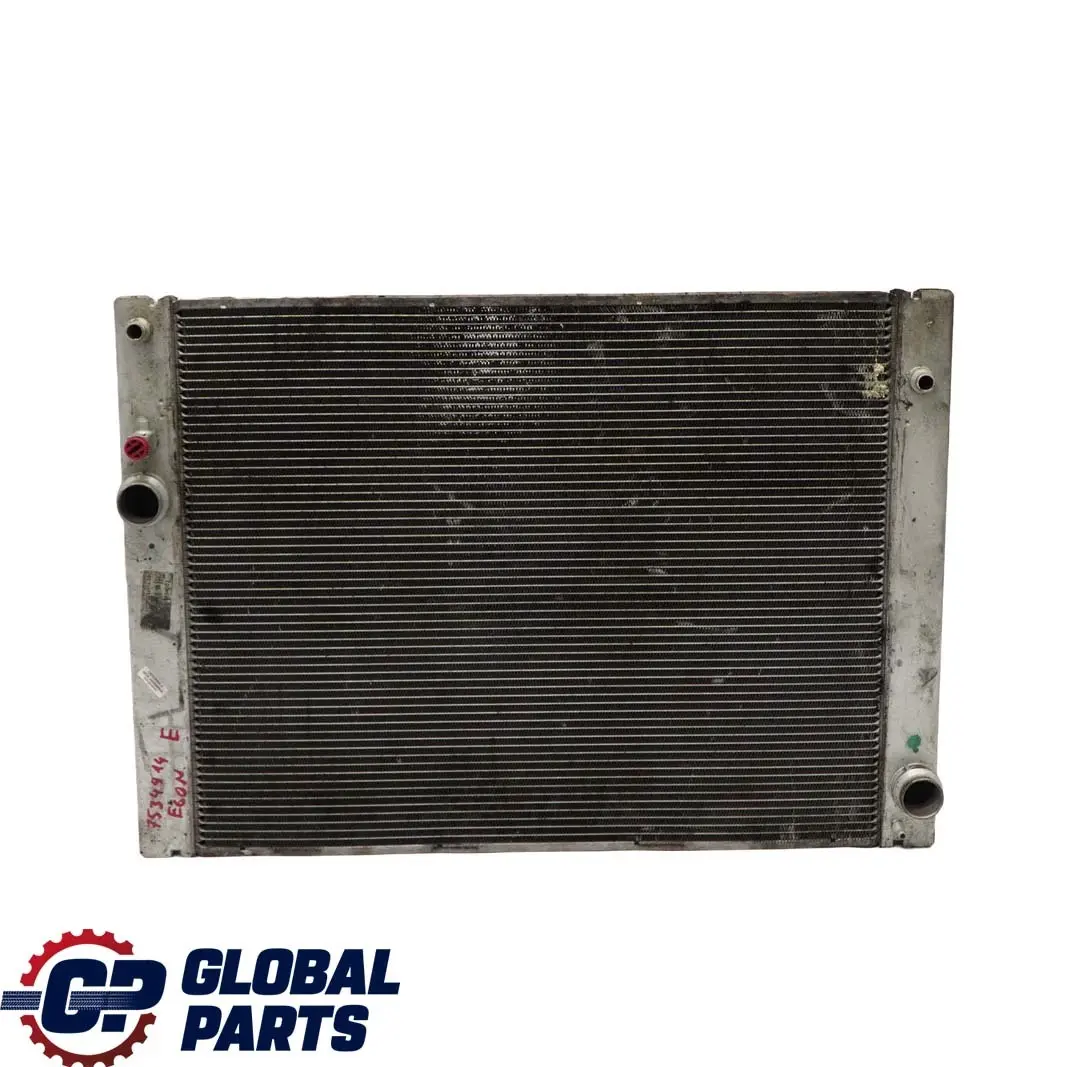
Part no. 7534914
BMW 5 Series E60 E61 LCI 520i Petrol N43 Engine Cooling Radiator 7534914
€113.95
Free delivery: Jul 15 – 20
If paid before 14:00
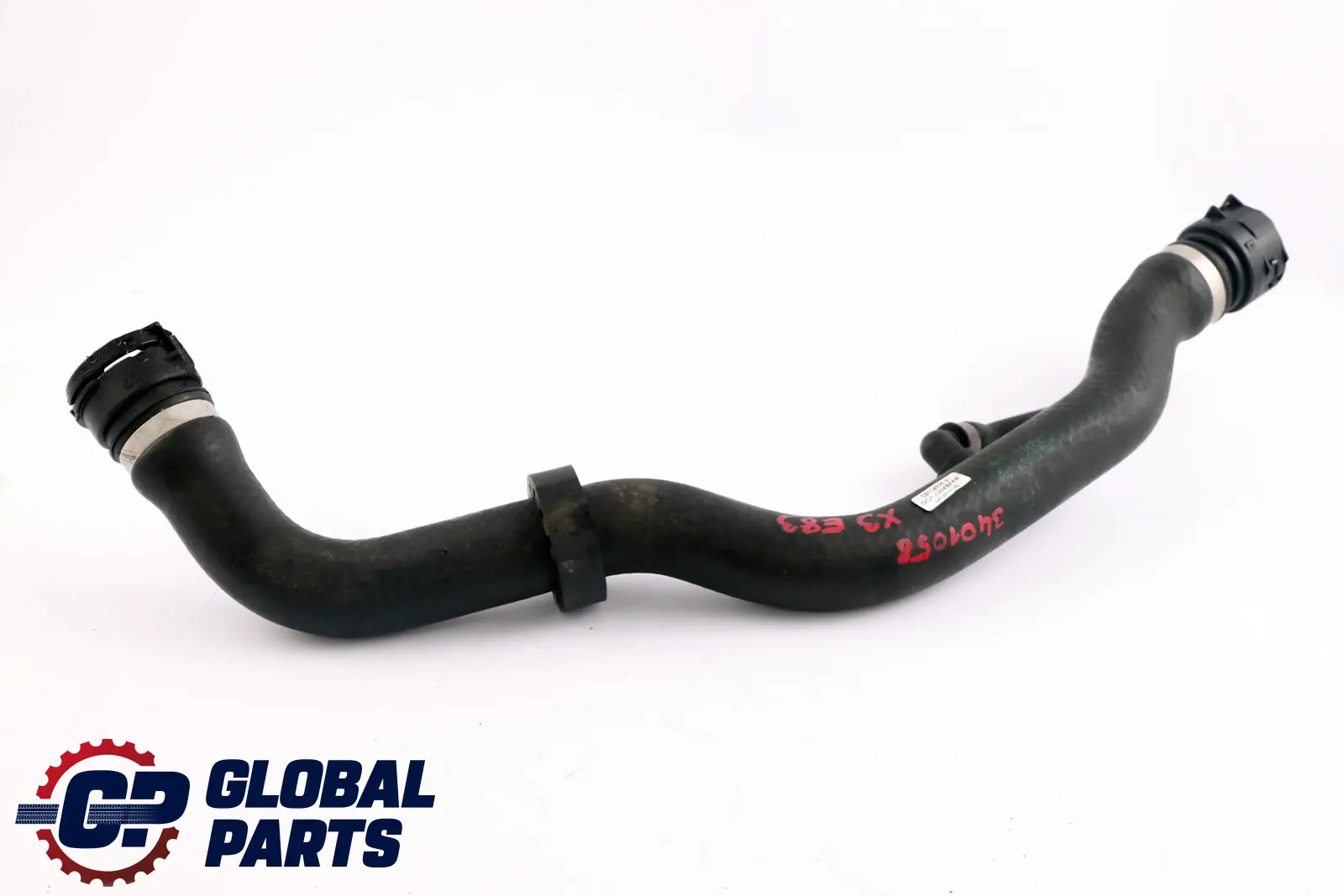
Part no. 3401058
BMW X3 E83 3.0d M57N2 Coolant Hose Pipe Radiator Water Line 3401058
€32.95
Free delivery: Jul 15 – 20
If paid before 14:00
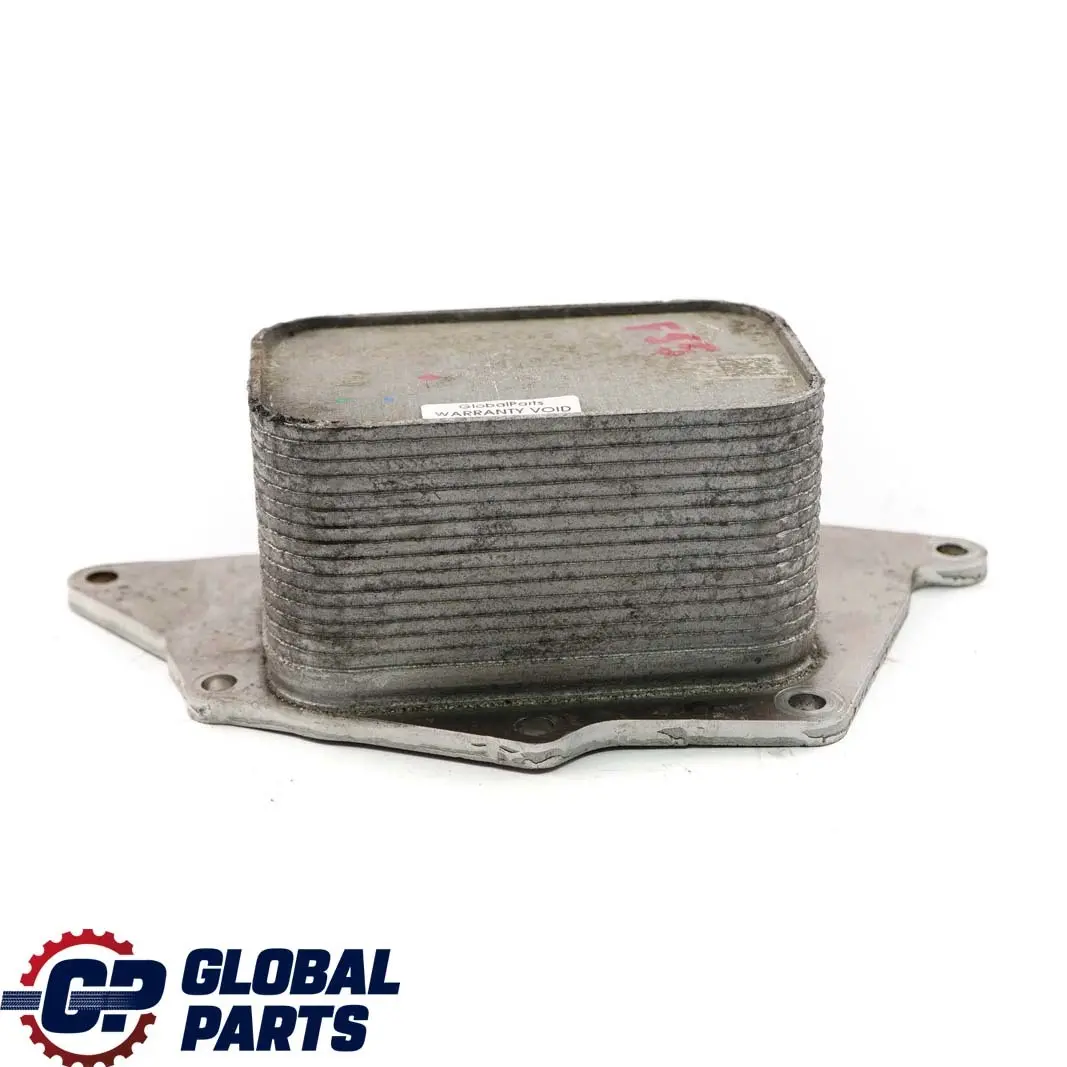
Part no. 8585236
BMW F20 F21 LCI Mini F55 F56 F60 Oil Cooler Radiator Heat Exchanger 8585236
€28.95
Free delivery: Jul 15 – 20
If paid before 14:00
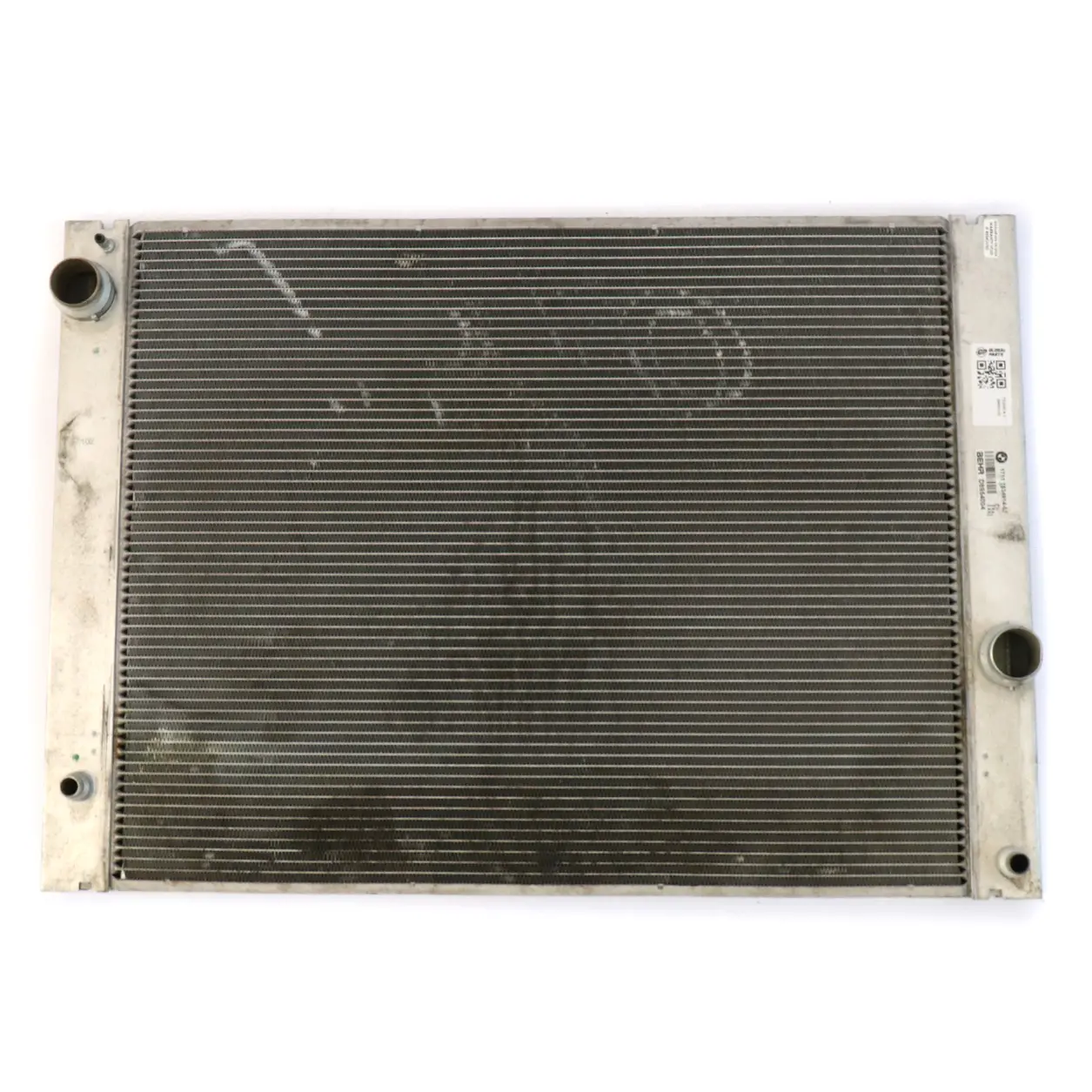
Part no. 7534914-1
BMW E60 E61 LCI 520i Petrol N43 Engine Cooling Radiator 7534914
Product currently unavailable
Radiators
In the Global Parts automotive store, you will find a wide selection of used car parts, compatible with BMW and other makes. Radiators are among the most important components of the cooling system, as they are responsible for dissipating heat from the fluid circulating between the engine and its accessories. In this category, you can find parts where you can verify information such as the brand, condition, OEM part number, replacement numbers, vehicle placement, and fuel type.
Construction and purpose of radiators
Radiators are heat exchangers mounted in the front part of the vehicle, usually behind the grille and in front of the engine. A radiator is used to lower the temperature of the coolant, which absorbs excess heat from the engine unit and transfers it to the environment through the core and flow channels. A typical component consists of side or top tanks, a core with thin channels and fins, and mounting points adapted to a specific vehicle version. When selecting a part, it is worth comparing the OEM number, the layout of the connectors, the mounting method, and compatibility with the equipment version.
Comparison of car radiator variants
| Variant | Construction | Application | What to check before purchase |
|---|---|---|---|
| Engine radiator | Cooling core, tanks, connection ports | Dissipating heat from the coolant | OEM number, port location, mounting type, compatibility with fuel version |
| Version with fan mount | Additional mounting points and accessory routing | Cooperation with forced cooling systems | Mounting spacing, compatibility with fan shroud, pre-facelift or post-facelift version |
| Version with additional connections | Extended layout of ports and hoses | Operation in systems with different accessory configurations | Replacement numbers, connection diameters, mounting location, and vehicle equipment |
The role of radiators in the cooling system
A radiator is used to maintain the proper engine operating temperature and stabilize the coolant circulation during city driving, idling, and under higher loads. Its efficiency affects the cooperation with components such as radiator fans, thermostats and housings, hoses and pipes, and expansion tanks. If any of these components are not compatible with the vehicle version, problems with fitment or proper fluid circulation may occur. It is also worth checking our guide Summer heat vs. cooling system: used radiators and fans as a guarantee of savings, which discusses the impact of high temperatures on the entire system's operation.
Selecting radiators by vehicle version and part markings
Selecting a radiator should be based primarily on the OEM number, replacement numbers, and compatibility with a specific engine and fuel version. The flow channel, connector layout, and mounting points may vary depending on the body style, equipment, and installed accessories. When completing a repair for a specific model, e.g., BMW E90, it is good to verify the cooling system version, the presence of additional mounting elements, and the placement of the part in the vehicle. When choosing a component like a BMW E90 radiator, it is essential to compare the OEM number, the width of the cooling package, and compatibility with accompanying accessories.
Cooperating elements and practical assembly tips
The radiator core is the essential part of the heat exchanger, where fluid flows through channels surrounded by fins that dissipate temperature into the air. This element is responsible for actual cooling efficiency, which is why during assembly, not only the housing itself matters, but also the condition of the mounts, the tightness of the connections, and correct seating in the front panel. If you are looking for a component such as a BMW E46 radiator, you should compare the connector layout, mounting points, and compatibility with the fuel version. When replacing, it is also worth checking the condition of hoses, clamps, and mounting elements to avoid stress and fitment problems.
FAQ
| Question | Answer |
|---|---|
| What is the construction and purpose of radiators? | Radiators are cooling system components usually mounted in the front of the vehicle, where they have constant access to airflow. A typical radiator consists of a core, flow channels, tanks, and connection ports. Its task is to lower the coolant temperature and maintain stable engine operating conditions. |
| What are radiators used for? | Radiators are used to absorb and dissipate heat from the coolant circulating in the system. Their operation helps maintain the proper temperature of the engine unit and supports the correct functioning of accessories cooperating with the cooling system. Without a functional radiator, heat circulation does not occur properly, which hinders stable engine operation. |
| What is the construction and function of a radiator core? | The radiator core is the central part of the exchanger, built from flow channels and thin fins that dissipate heat to the environment. It is in the core that the greatest heat exchange between the fluid and the air occurs. Its condition affects not only cooling efficiency but also flow patency and cooperation with the fan and shrouds. |
| How to choose a radiator for a specific vehicle version? | The safest way is to compare the OEM part number, replacement numbers, fuel type, and placement on the vehicle. It is also worth checking the connector layout, type of mounts, and compatibility with the body version and cooling accessories. For cars with different equipment variants, verification by VIN is also helpful. |
| What symptoms may indicate a problem with the radiator? | Typical signs include fluid leaks, traces of damage at the ports, reduced heat dissipation, or problems with housing fitment after a previous repair. In practice, it is worth assessing the condition of the core, the tightness of connections, and the mounts. The compatibility of the radiator with other system elements is also significant. |
| What should be paid attention to during radiator installation? | During installation, check the condition of the mounting points, hoses, clamps, and elements cooperating with the fan and shrouds. The radiator should be seated without stress and in accordance with the connection layout provided for the given vehicle version. After installation, it is worth checking the tightness of the connections and the correct routing of the hoses. |
Summary: radiators at the Global Parts automotive store
The Global Parts offer includes radiators intended for many applications and vehicle versions, including those for BMW and other makes. When choosing, it is worth comparing the OEM number, replacement numbers, fuel type, vehicle placement, and mounting solutions, as these are what practically determine the fit of the part to a specific car. We invite you to contact us – we are here to help you! For more information and interesting facts, we also invite you to visit our automotive blog.