


Fans & Fan Parts
Make
Category
Condition
In Stock
Price
Fans & Fan Parts
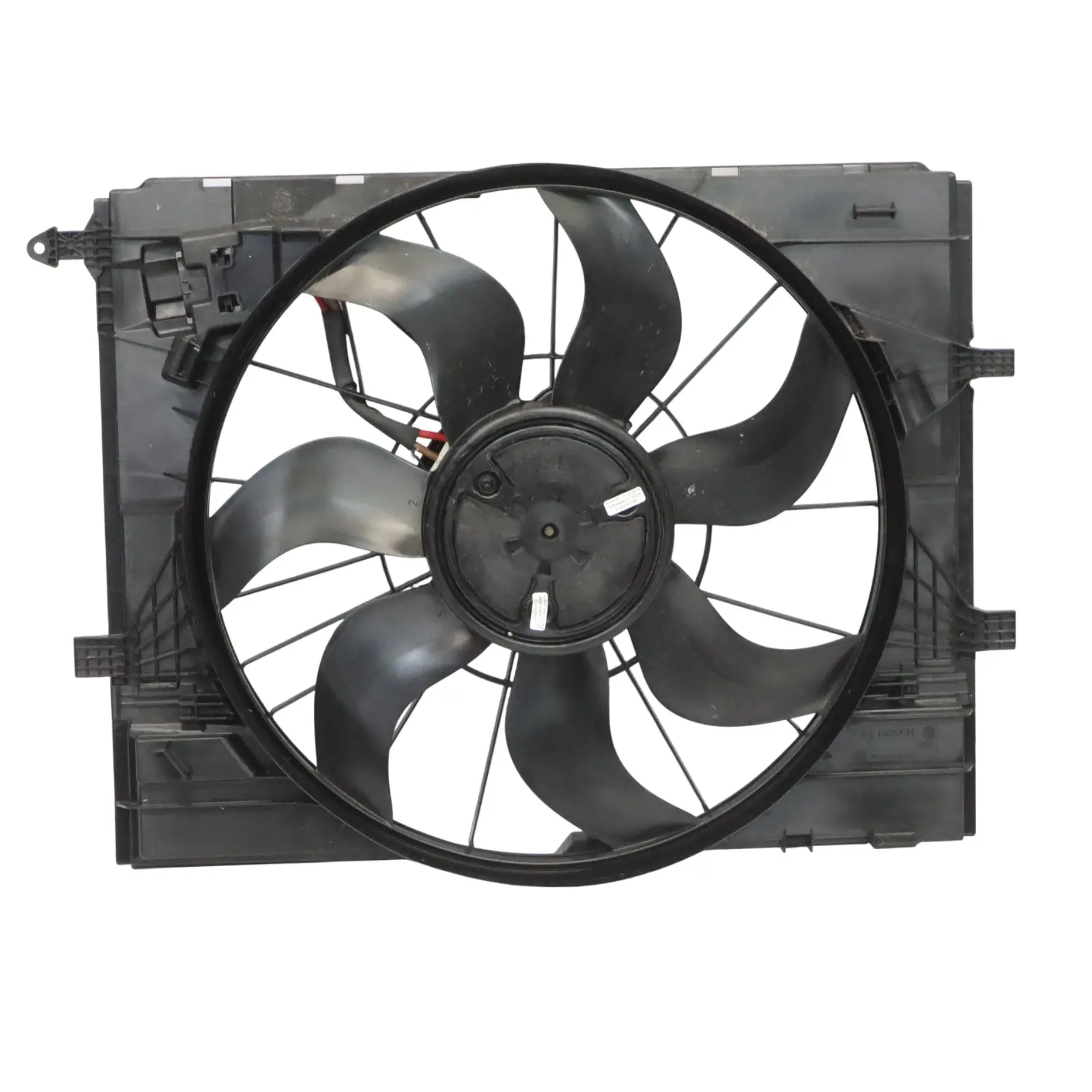
In the Global Parts automotive store you will find a selection of used car parts, compatible with Mercedes and many other brands. The radiator fan category includes components responsible for forced airflow through the radiator to maintain the correct engine operating temperature, especially during idling, city driving, and air conditioning operation.
Design and purpose of radiator fans
Radiator fans are cooling system components mounted on or in the immediate vicinity of the radiator. Their task is to force airflow when the vehicle's speed is insufficient to effectively dissipate heat from the coolant. A typical assembly may include an electric motor, fan blades, a shroud, mounting points, and an electrical connector, and in some versions, a control module. The fan must be matched to the specific vehicle version, as differences may involve the rotor diameter, number of pins, plug type, frame shape, and mounting location. In this group of parts, the OEM part number, interchangeable numbers, vehicle placement, and compatibility with vehicle equipment are also significant.
Comparison of radiator fan variants
| Variant | Characteristics | What to check before purchase |
|---|---|---|
| Single fan | Used in simpler cooling systems, usually with one shroud and one motor. | OEM number, rotor diameter, connector type, mounting points. |
| Dual fan | Found in advanced systems, often works with air conditioning and larger radiators. | Frame layout, presence of a module, mounting side of individual elements, engine version compatibility. |
| Fan with control module | Features integrated or attached operation control, depending on temperature and signals from the vehicle's electrical system. | Control type, number of pins, manufacturer markings, wiring harness compatibility. |
| Rotor or motor only | Found as a component of a complete assembly, requiring precise construction comparison. | Diameter, operating direction, mounting method, shroud compatibility. |
Function of radiator fans in the cooling system
Radiator fans are used to stabilize coolant temperature and support radiator operation under conditions of limited airflow. Their operation is important not only for the engine but also for the efficiency of the air conditioning system and the proper functioning of thermal equipment. In practice, it is also worth comparing them with items from the Engine cooling section, as the effectiveness of the entire system depends on the cooperation of several components. When choosing an item such as a Mercedes radiator fan, you need to verify not only the shape of the shroud but also the OEM number, vehicle placement, and compatibility with the engine version and equipment. Differences between versions may include speed control, electrical connectors, and the method of mounting to the radiator frame.
Selection and assembly components
The fan control module is an electrical component responsible for starting and regulating rotor operation depending on temperature and system load. The module works with the vehicle's electrical system, sensors, and relays, and its incompatibility may cause the fan not to start or to operate incorrectly at one speed range. Therefore, when selecting, it is worth considering related categories, such as Radiators, Thermostats and housings, and Temperature sensors and switches. When selecting elements for a version such as Mercedes W203, it is good to compare the mounting layout, number of pins, pre-facelift or post-facelift version, and the presence of an additional controller. In products from this category, information about the brand, condition, OEM part number, interchangeable numbers, and vehicle placement is helpful.
Symptoms of wear and practical verification of parts
The most common symptoms of radiator fan problems include failure to start after the engine warms up, uneven operation, excessive bearing noise, damaged blades, or signs of overheating at the connector. Before installation, it is worth checking the condition of the shroud, the freedom of rotor rotation, the completeness of the mounts, and the compatibility of the plug with the vehicle's electrical system. If you are looking for a component such as a radiator fan motor, it is essential to compare the mounting method, the diameter of the cooperating rotor, and the manufacturer's markings. To supplement your knowledge on sensible car maintenance, you may find the article Repairing a Volkswagen on a budget? Discover how to save on original car parts. useful, as it shows how to compare parts and reduce costs without sacrificing proper fitment.
FAQ
| Question | Answer |
|---|---|
| What is the design and purpose of radiator fans? | Radiator fans are cooling system components mounted at the radiator, designed to force airflow through the cooling core. A typical set consists of an electric motor, a rotor with blades, a shroud, and mounting points, and depending on the version, also a control module. This part operates in the engine compartment and is selected according to the OEM number, frame construction, and electrical system type. |
| What are radiator fans used for? | Radiator fans are used to maintain the proper engine operating temperature when natural airflow is insufficient. They support cooling during idling, driving in traffic, and air conditioning operation. Their efficient operation helps reduce the risk of coolant overheating and overloading other thermal system components. |
| What is the design and function of the fan control module? | The fan control module is an electrical sub-assembly responsible for starting and regulating fan operation based on signals from the vehicle system. It can be integrated with the fan assembly or exist as a separate element working with the wiring harness and sensors. Its function is to control rotational speed and respond to temperature and air conditioning system demand. |
| How to choose the right radiator fan for a car? | The safest way is to compare the OEM part number, interchangeable numbers, connector type, and mounting point layout. You must also check the engine version, vehicle equipment, presence of air conditioning, and vehicle placement. For assemblies with a shroud, the shape of the entire frame and compatibility with the radiator are also important. |
| What symptoms indicate a problem with the radiator fan? | Typical symptoms include a temperature rise during idling, the fan failing to start, loud operation, vibrations, or damaged rotor blades. It is also worth paying attention to the condition of the plug, wires, and shroud. These symptoms do not always mean the rotor itself is damaged, so it is good to check the control and cooperating elements as well. |
| What technical data should be checked before installation? | Before installation, you should compare the OEM number, connector type, number of pins, rotor diameter, and mounting arrangement. It is also important whether the part is a complete assembly, just the motor, or the rotor. When selecting, it is worth considering the body version, year of design changes, and compatibility with radiator accessories. |
Summary: radiator fans at the Global Parts automotive store
Radiator fans are responsible for properly supporting the cooling system and require precise matching to the vehicle version, control method, and engine compartment equipment. The Global Parts offer includes used parts intended for many models, including Mercedes vehicles and others, taking into account data useful for verification such as OEM part number, interchangeable numbers, condition, and vehicle placement. We invite you to contact us – we are here to help! For more information and interesting facts, we also invite you to visit our automotive blog.