


Seat Fairings
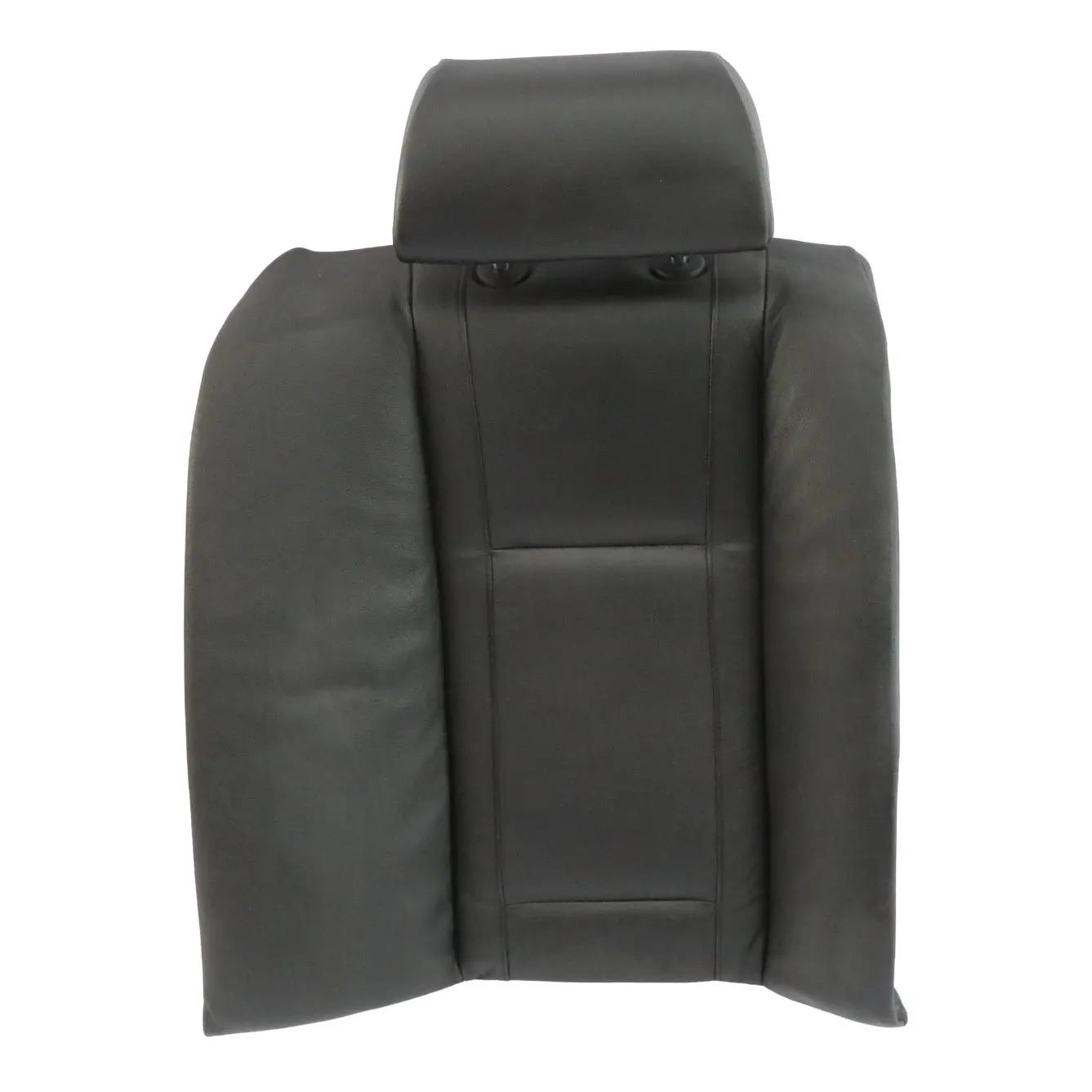
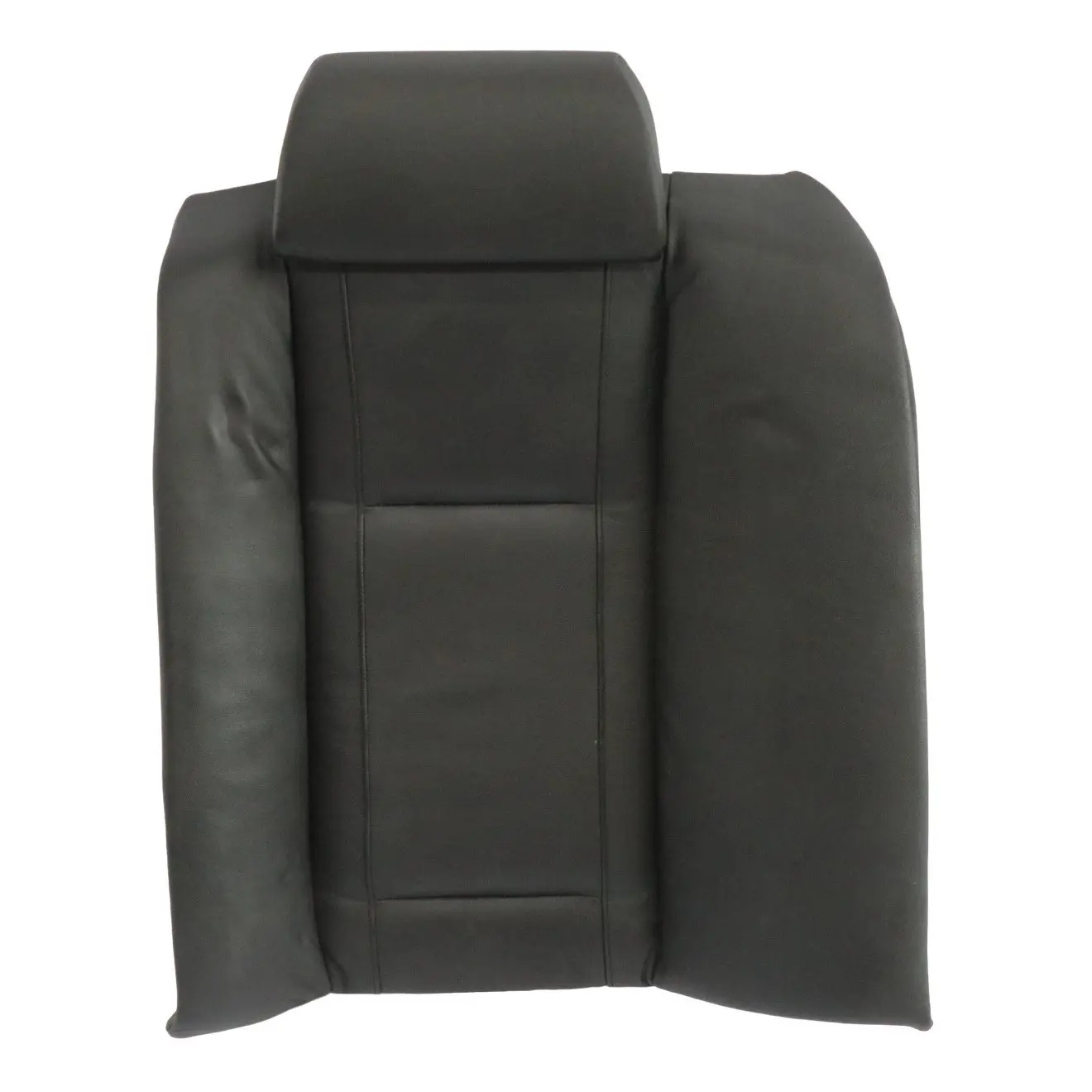
Seat Fairings
In the Global Parts automotive store, you will find a selection of used car parts, compatible with BMW and other brands. The seat cover category includes trim elements mounted directly on the seat cushion, backrest, or side sections, designed to protect the upholstery, improve interior aesthetics, and maintain proper fitment with the seat structure.
Construction and purpose of seat covers
Seat covers are interior trim components that shield the surface of a seat or bench and work in conjunction with the foam, frame, and factory upholstery. A seat cover serves to protect the area most exposed to abrasion, dirt, and deformation resulting from daily use. A typical component may vary in material, color, edge finishing, and the layout of openings for headrests, guides, and mounts. In practice, when selecting a part, it is worth considering compatibility with the seats and chairs with which the cover is intended to work.
Comparison of seat cover variants
| Variant | Characteristics | What to check before purchase |
|---|---|---|
| Seat cushion cover | Protects the lower part of the seat, which is under the most stress during entry and daily driving. | OEM part number, color, mounting type, compatibility with the seat version and mounting side. |
| Backrest cover | Shields the rear or front surface of the backrest and affects the appearance and completeness of the interior. | Presence of technological openings, compatibility with the headrest, guides, and backrest profile. |
| Side or trim cover | Completes the finishing of the seat sides and masks the frame or adjustment elements. | Placement on the vehicle, shape of clips, material, and fitment to a specific equipment version. |
Protective function and importance of fitment
Seat covers are used to protect the functional surface of the seat and to maintain a consistent interior appearance after repairing or replacing a worn element. A well-chosen part limits further upholstery wear, covers contact points with clothing, and helps maintain cabin aesthetics. When completing a repair for a specific model, e.g., BMW E90, it is good to verify the body version, seat type, and compatibility of mounting points. If necessary, you can also compare elements from the backrests section if the repair concerns the entire seat assembly.
Selection by OEM number, color, and seat version
The OEM number is the basic manufacturer designation that allows you to compare part compatibility with a specific vehicle version and interior equipment. When choosing a seat cover, you should check not only the OEM part number and any interchangeable numbers but also the color, placement on the vehicle, and the method of attachment to the frame and upholstery. When choosing an element like an Audi A6 C7 steering wheel, one usually compares buttons and connectors; for seat covers, you should similarly compare the element profile, edges, technological openings, and seat version. If the repair also includes minor additions, the range of other seat parts may be helpful.
Cooperating elements and installation practice
Trims, sliders, and mounting points are terms describing elements responsible for the proper seating of the cover on the seat structure. A trim refers to a guiding or finishing part that stabilizes the edge of the material or masks the connection point with another interior detail. If you are looking for a sub-assembly such as an Audi A3 8P rear bumper, you usually check the brackets and fitment line; for seat covers, clips, seam alignment, and compatibility with side panels are similarly important. The selection can also be supplemented with seat covers if additional functional protection is needed. For those assembling interior parts, a useful supplementary material is the guide BMW B58 code, or 340 HP from the secondary market – a checklist before buying a turbocharger and intercooler for the BMW 3 Series (G20), which shows how to practically verify part compatibility by OEM number and vehicle equipment.
FAQ
| Question | Answer |
|---|---|
| What is the construction and purpose of seat covers? | Seat covers are elements mounted on the surface of the seat cushion, backrest, or sides of the seat, designed to shield and finish the area of contact with the user. A typical element consists of an outer layer, edges matched to the seat profile, and mounting points that work with the upholstery or frame. Depending on the version, it may have technological openings, stitching, and cutouts for guides, headrests, or adjustment elements. |
| What are seat covers used for? | Seat covers are used to protect the seat surface from wear, dirt, and abrasions occurring during daily vehicle use. In addition to their protective function, they also affect the interior appearance and the completeness of the finish after a repair. Properly selected covers improve cabin aesthetics and help maintain consistency in color and texture with other seat elements. |
| What is the construction and function of seat cover mounting points? | Seat cover mounting points are the areas for hooking, guiding, or tensioning the material on the seat structure. They serve to maintain the correct positioning of the cover, prevent it from shifting, and affect the fitment with the sides, backrest, and cushion. In practice, they can appear as clips, trims, mounting tunnels, or areas for sewn-in fastening elements. |
| How to choose a seat cover for a specific car? | It is best to compare the OEM part number, interchangeable numbers, color, and placement on the vehicle. The seat version, body type, and interior equipment are also significant, as the same car model may have different seat profiles. For used parts, it is worth paying attention to the shape of the edges, technological openings, and mounting type. |
| What symptoms indicate that a seat cover needs replacement? | The most common symptoms are material abrasion, surface cracks, deformations at the edges, and poor retention on the frame. Replacement is also worth considering when the color clearly differs from the rest of the interior or if the mounting points are damaged. The part may also require replacement after seat disassembly or upholstery repair. |
| What parameters should be checked before installing a seat cover? | Before installation, you should check the compatibility of the OEM number, color, mounting side, and method of seating on the chair. The profile of the cushion or backrest, the presence of openings for the headrest, and compatibility with trims and clips are also important. This makes it easier to avoid problems with fitment and uneven positioning of the element after installation. |
Summary: seat covers in the Global Parts automotive store
Seat covers are practical interior trim elements that help maintain the good condition of seats and cabin aesthetics. The Global Parts offer includes used car parts for many applications, including solutions tailored to BMW and other brands. When choosing, it is worth comparing the OEM number, interchangeable numbers, placement on the vehicle, color, and compatibility with the seat version and interior equipment. We invite you to contact us – we are here to help! For more information and interesting facts, we also invite you to visit our automotive blog.