


Fuses & Fuse Boxes
Fuses & Fuse Boxes
In the Global Parts automotive store, you will find a selection of used car parts from the fuses and fuse boxes category, compatible with Mini and many other brands.
Design and purpose of fuses and fuse boxes
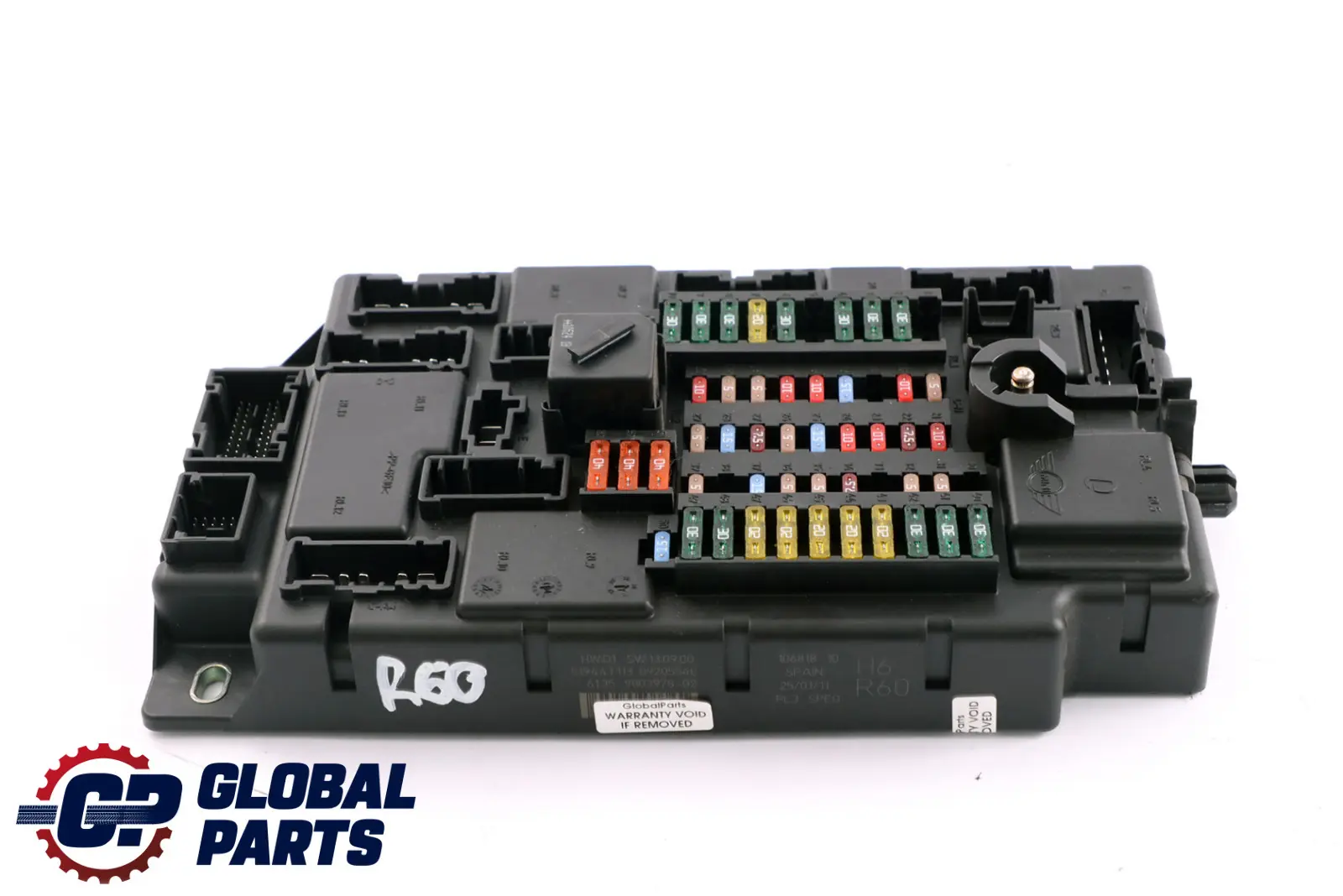
Fuses and fuse boxes are components of a vehicle's electrical system that protect circuits against overloads and short circuits. A fuse acts as a protective link or insert with a specific current rating, while a fuse box represents an assembly of sockets, power rails, circuit diagrams, and connection points. In a car, these components are usually located in the engine compartment, under the dashboard, or in the trunk, depending on the equipment version. This category includes both individual fuse inserts and complete housings with covers, power rails, relay slots, and wiring harness connectors. When selecting a part, it is worth comparing the OEM part number, replacement numbers, mounting location, and pin layout, as even a similar housing may differ in socket spacing or circuit configuration.
Comparison of fuse and fuse box variants
| Component type | Design | Application | What to check before purchase |
|---|---|---|---|
| Mini blade fuse | Small insert with two contacts and a current rating mark | Protection of individual circuits with limited mounting space | Insert type, protection rating, socket compatibility |
| Interior fuse box | Housing with sockets, connectors, and slots for selected relays | Power distribution for cabin equipment and some control units | OEM number, pin layout, location in the car, equipment version |
| Engine compartment fuse box | Reinforced housing with power rails and a protective cover | Support for main power circuits and components operating under the hood | Connector type, presence of a cover, mounting compatibility, replacement numbers |
Protection function and cooperation with other system components
Fuses are used to cut off a damaged or overloaded circuit before damage occurs to wires or connected devices. The fuse box organizes the power supply and allows circuits to be divided into sections responsible for lighting, interior equipment, comfort systems, or engine control. In practice, it works with components such as relays, cables, harnesses, and connectors, as well as ECU, CDI, and control modules. When choosing a component such as a mini fuse box, not only the shape of the housing matters, but also the compatibility of power rails, socket markings, and mounting points. If the car's electrical system includes additional equipment, it is worth checking whether the given fuse box version has the appropriate number of occupied slots and compatible connectors.
Selecting parts by OEM number, car version, and mounting location
A fuse box is a component where electrical and mechanical compatibility are paramount. This means it is necessary to compare the OEM part number, replacement numbers, vehicle location, and body type or equipment version. In many models, the same generation of a car may have a different fuse box for versions with additional accessories, automatic air conditioning, or advanced electronics. When completing a repair for a specific model, e.g., mini cooper r56, it is good to verify the connector layout, markings on the cover, and compatibility with the wiring harness. If the symptom is a lack of power to a selected circuit, it is also worth checking voltage regulators and rectifiers or elements from the batteries section, as the source of the problem does not always lie solely in the fuse box itself.
Symptoms of damage and practical installation tips
Typical symptoms of problems in this category include the same fuse blowing repeatedly, intermittent power loss to a selected receiver, a melted socket, signs of overheating, or a loose contact in the insert. A fuse socket is the place where the insert and conductive contacts are seated; if it is overheated or deformed, the fuse itself may no longer provide proper contact. In such cases, the condition of the housing, latches, cover, and connection pins must be compared. If you are looking for a component such as mini fuses, it is worth checking the insert type marking, compatibility with the fuse box layout, and the condition of the contacts at the mounting point. When replacing, it is good to transfer the element according to the circuit description and ensure that the new part has the same mounting points and corresponds to the correct installation section. You can read more about choosing repair parts in the article Refurbished or used original – which part to choose for repairs?.
FAQ
| Question | Answer |
|---|---|
| What is the design and purpose of fuses and fuse boxes? | Fuses and fuse boxes are electrical system components responsible for protection and power distribution in a vehicle. A typical fuse consists of a housing and a conductive constriction, while a fuse box consists of sockets, power rails, connectors, and a housing with mounting points. These elements are installed under the dashboard, in the engine compartment, or in the rear of the body, depending on the car's design. |
| What are fuses and fuse boxes used for? | Fuses are used to break a circuit in the event of a short circuit or overload, thereby protecting wires and connected devices. Fuse boxes organize power distribution between various car systems and facilitate the servicing of individual circuits. Their proper operation affects the performance of lighting, comfort equipment, control units, and many electrical receivers. |
| What is the design and function of a fuse socket? | A fuse socket is the part of the fuse box where the protective insert is seated and through which current flows to a given circuit. It consists of conductive contacts, insert guides, and a connection to the power rail inside the housing. Its condition affects the quality of the electrical contact, so melting, looseness, or corrosion can cause power interruptions even if the fuse is functional. |
| How to choose a fuse box for a specific car? | It is safest to compare the OEM part number, replacement numbers, mounting location, and connector layout. It is also worth checking the engine version, equipment, and the arrangement of sockets and relays. In this category, electrical compatibility is essential, not just the similar appearance of the housing. |
| What symptoms indicate damage to a fuse box or socket? | The most common symptoms are recurring fuse blowing, lack of power to a selected receiver, loose seating of the insert, or signs of overheating at the contact point. In practice, it is worth inspecting the pins, housing, cover, and wiring connection points. If the damage concerns the socket itself, replacing just the insert usually does not solve the problem. |
| What product data should be checked before purchase? | In this category, information about the brand, part condition, OEM part number, and replacement numbers is helpful. It is also good to compare the insert type, pin layout, body version, and the location of the fuse box in the car. If the car had different installation variants, additional verification via VIN makes matching easier. |
Summary: fuses and fuse boxes at the Global Parts automotive store
Fuses and fuse boxes are responsible for protection and proper power distribution in a car, so their selection should take into account the OEM number, mounting location, connector layout, and equipment version. At Global Parts, you will find used parts from this category for many models, including those from the Mini brand and others, with parameters helpful for comparing elements before purchase. Feel free to contact us – we are here to help! For more information and interesting facts, we also invite you to visit our automotive blog.