


Out of Stock
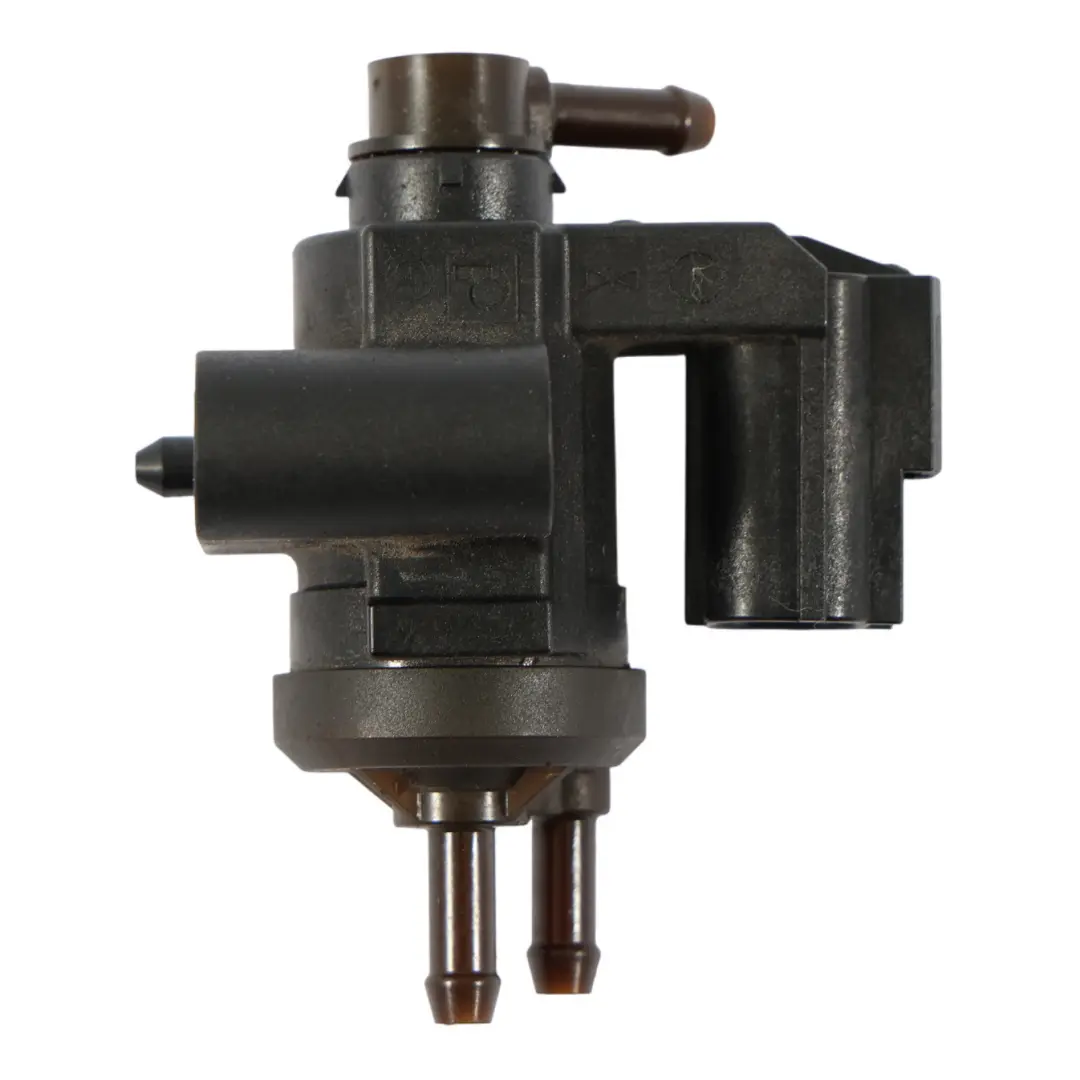
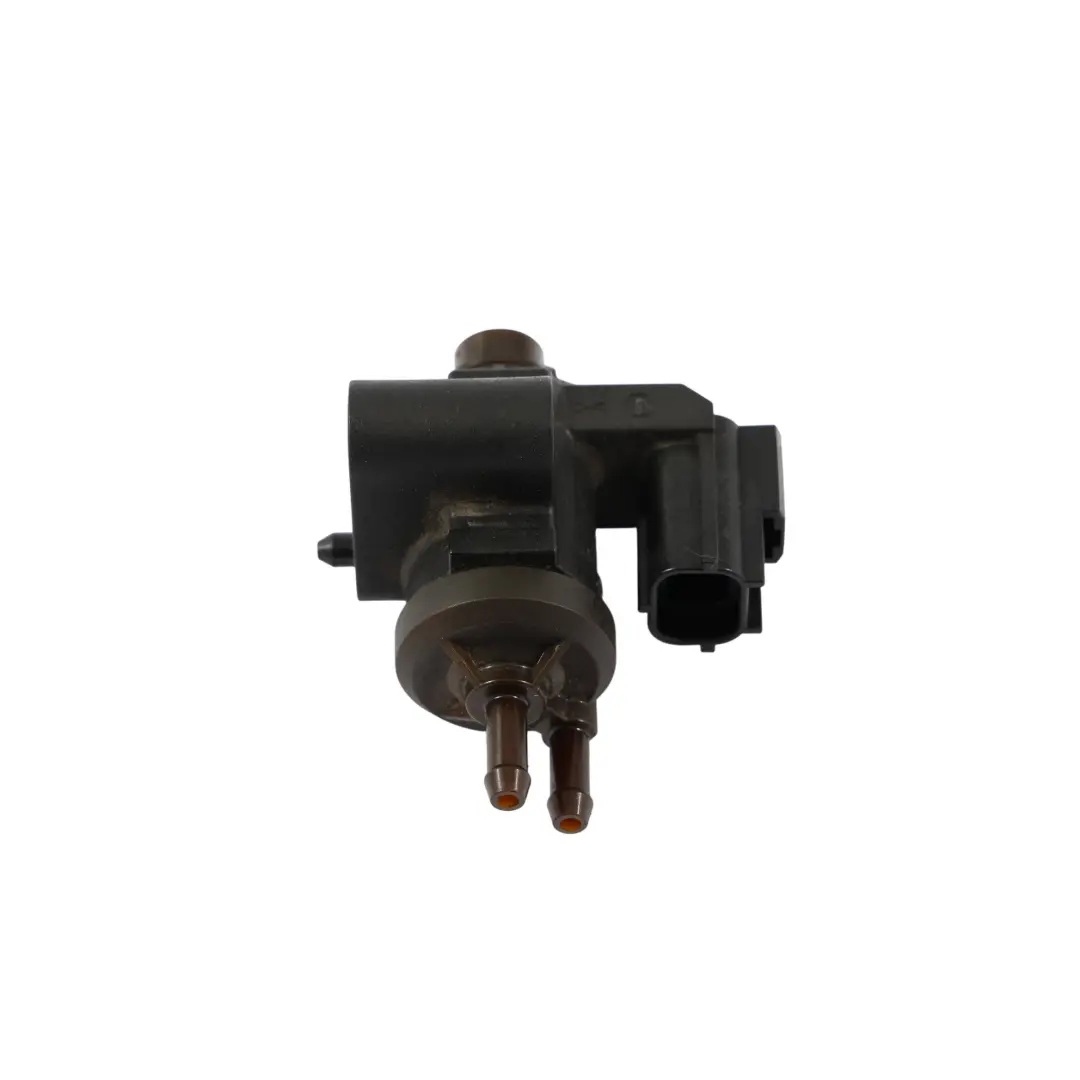
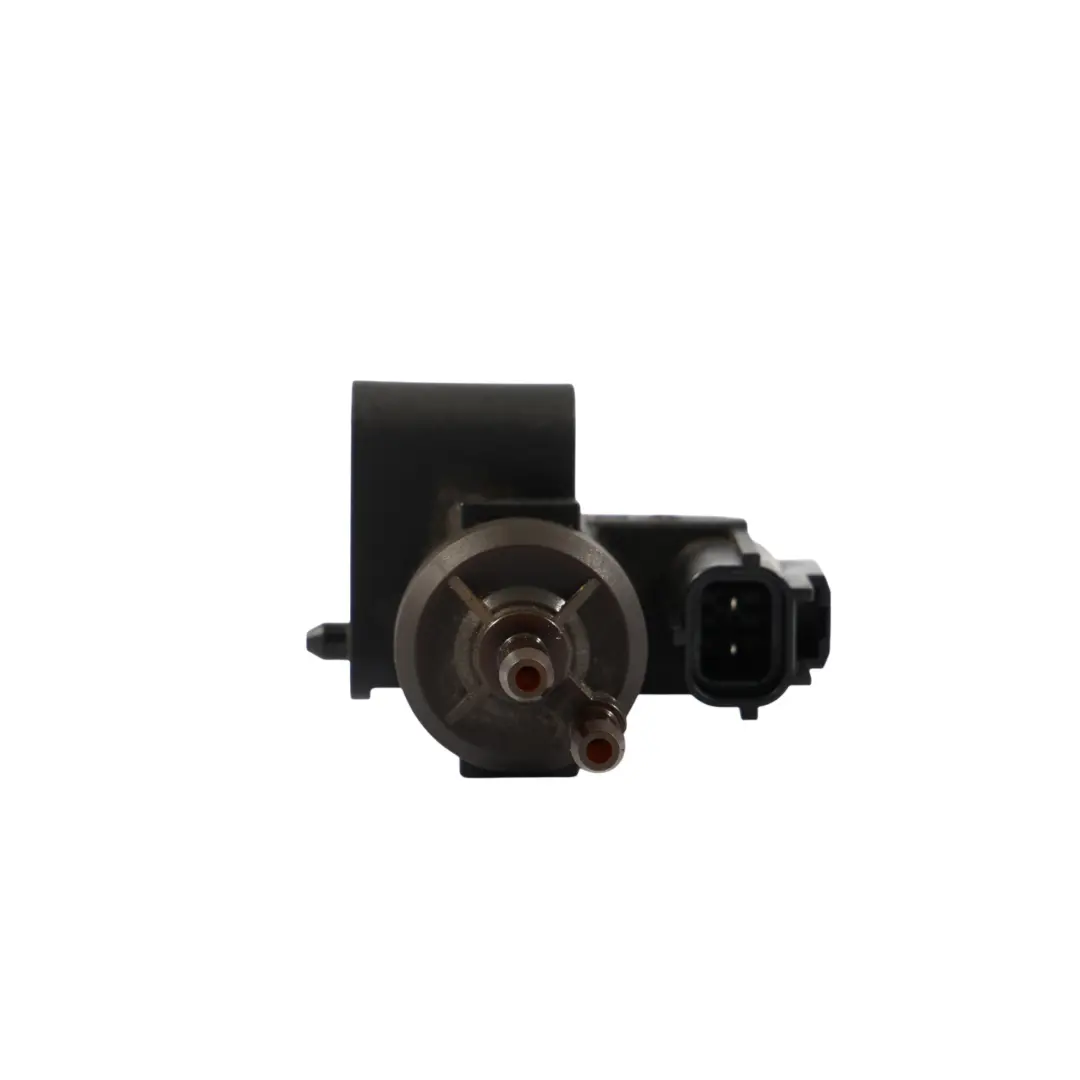
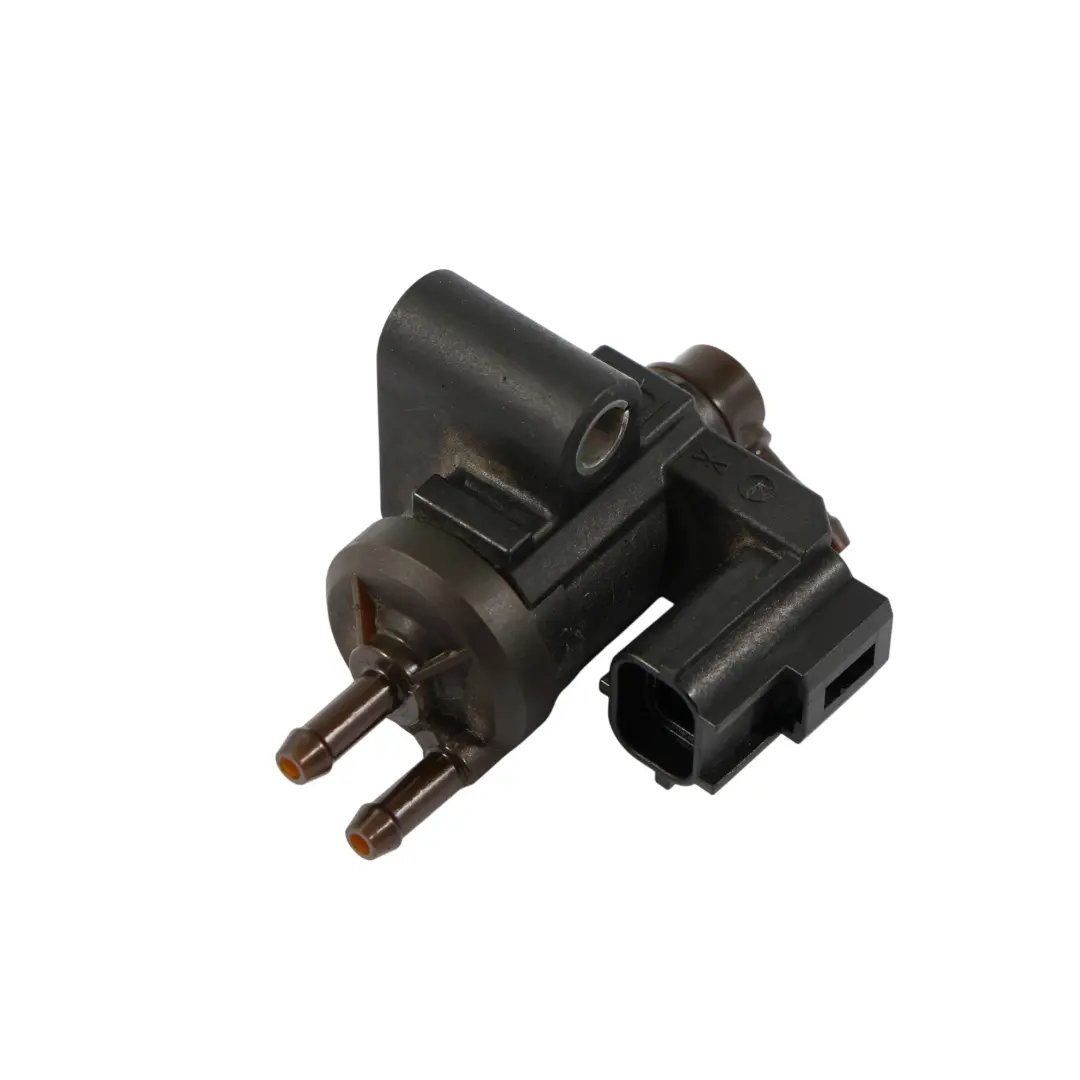
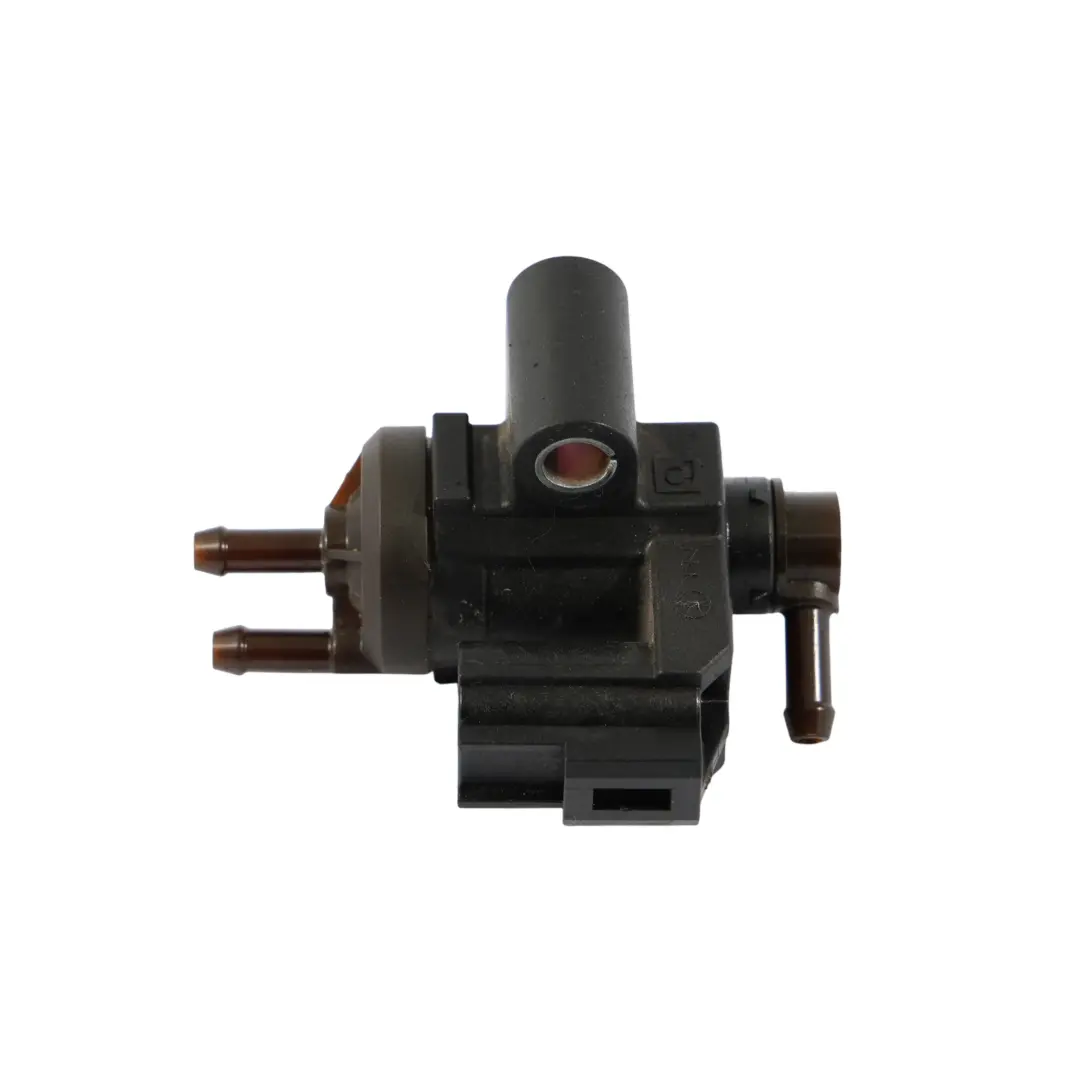
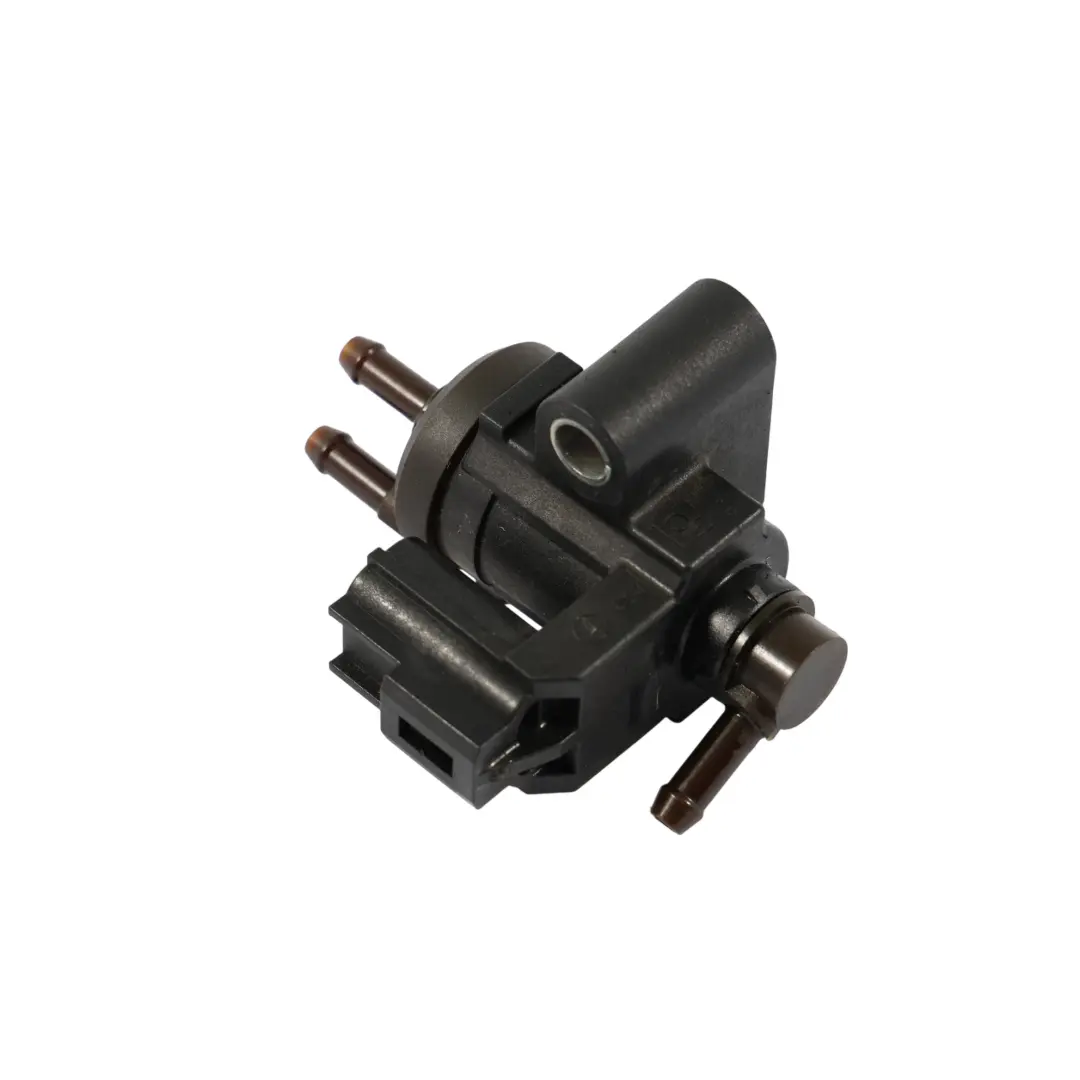
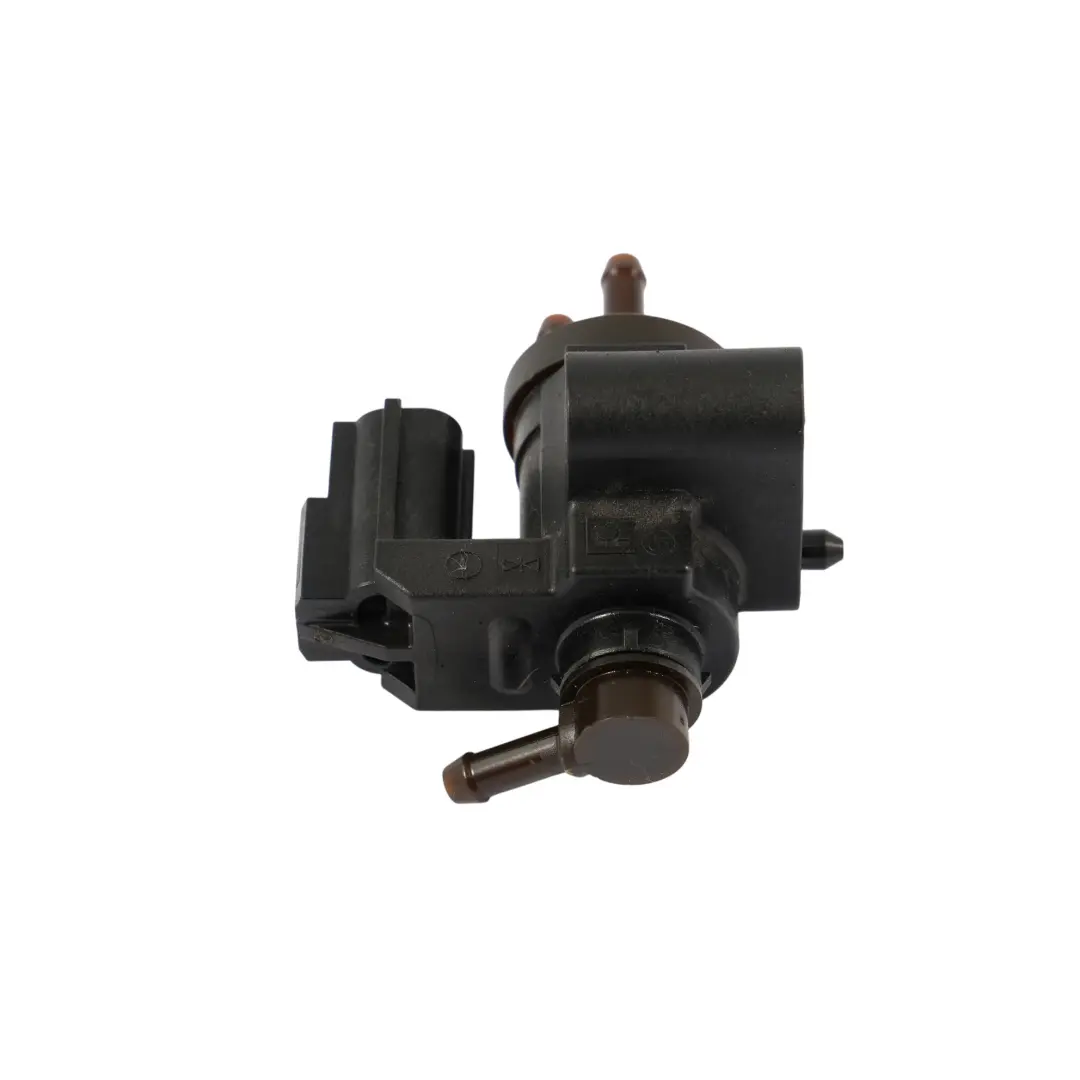
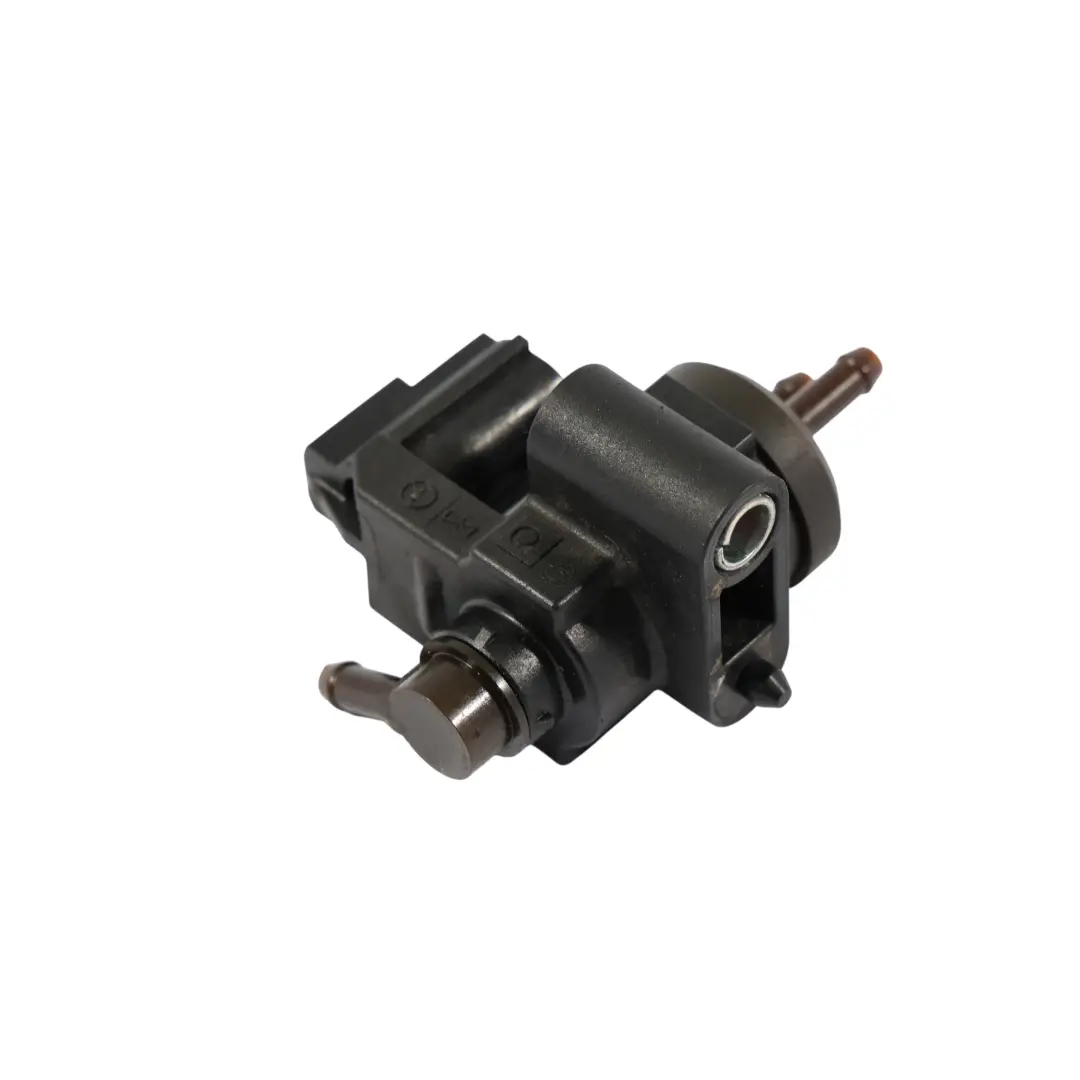
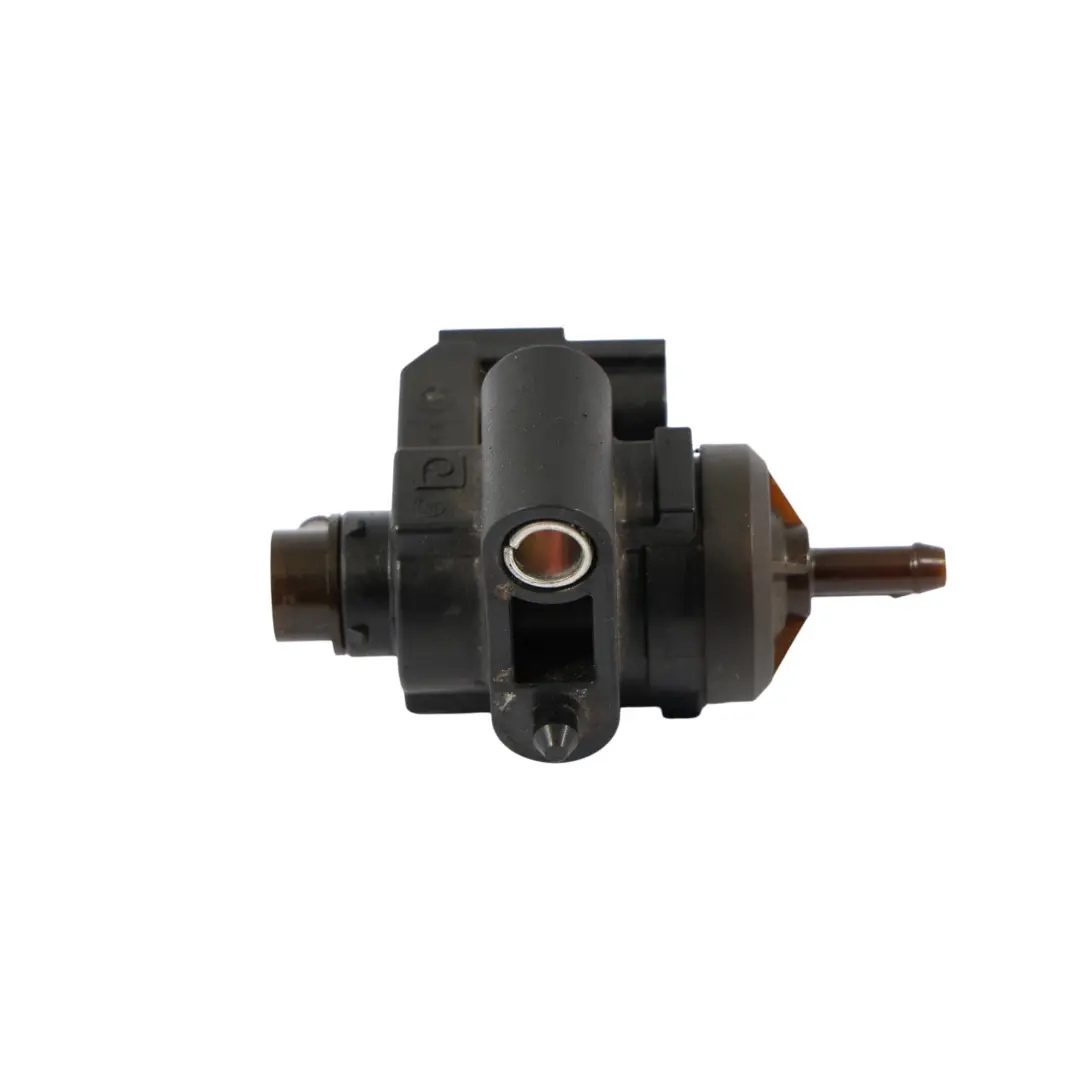
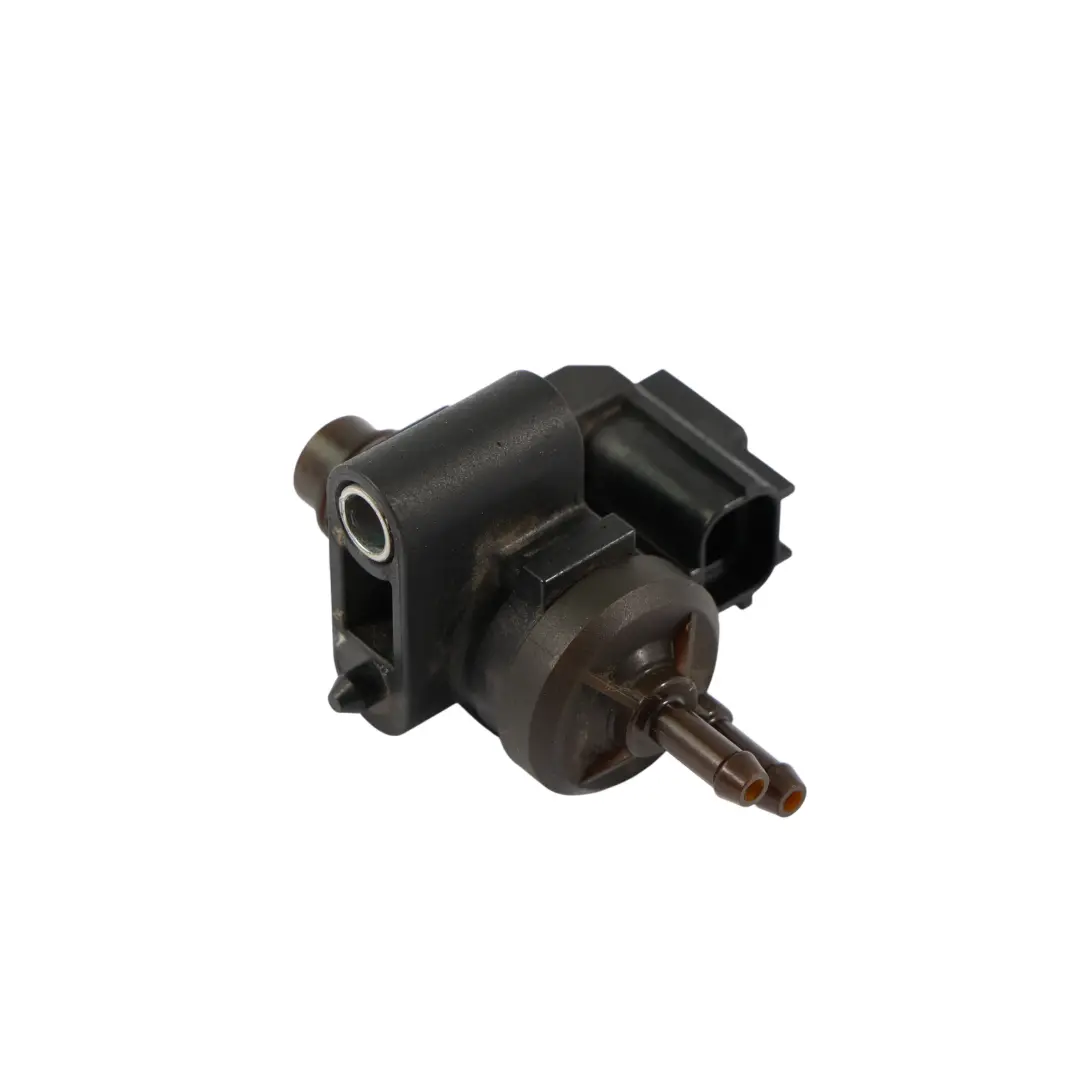
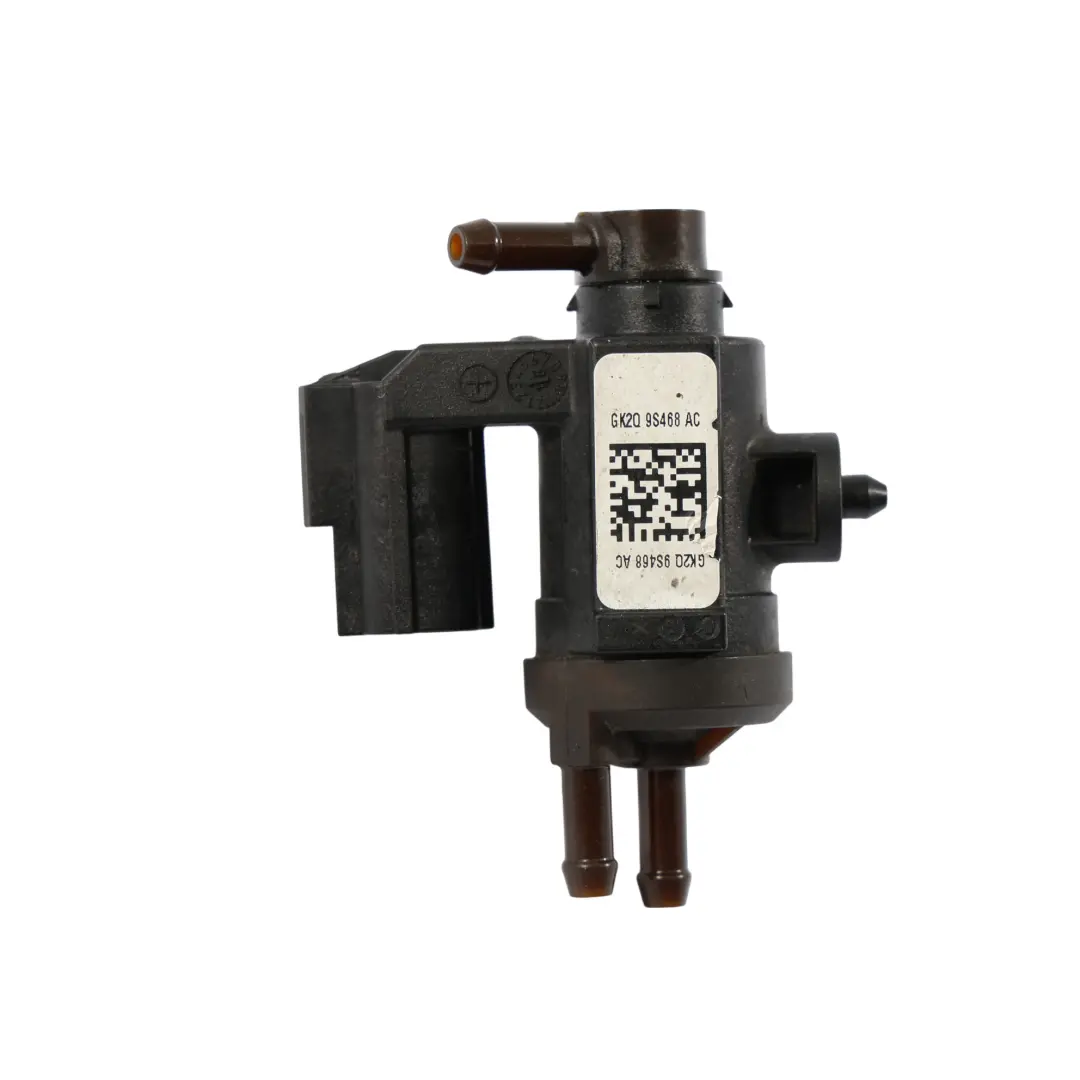
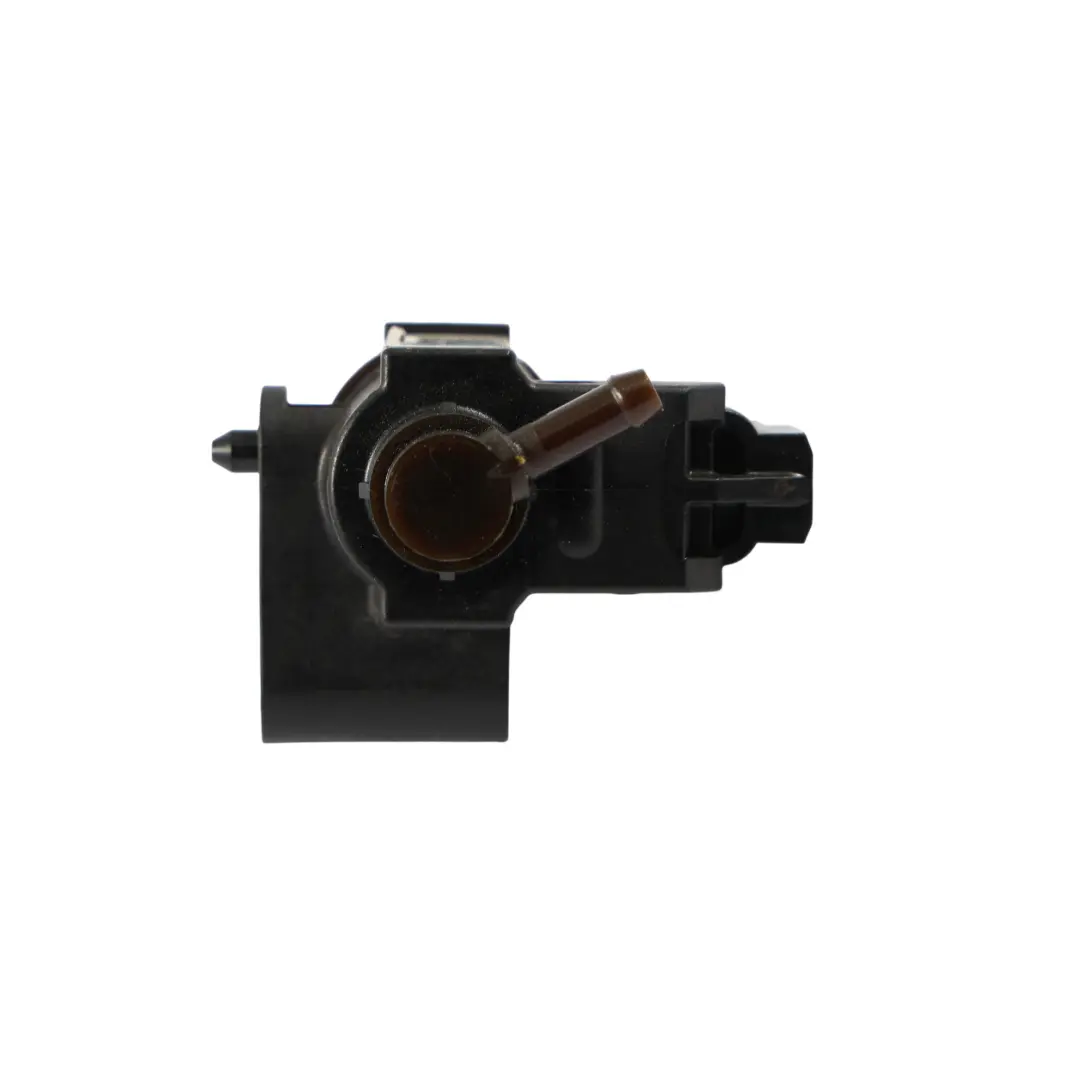
Ford Transit Custom Mk1 Vacuum Pressure Sensor 2.0 EcoBlue GK2Q-9S468-AC
SKU: GK2Q-9S468-AC
Product from a certified dismantling facility
Condition:
Used
Available:
0
Delivery time:
Product currently unavailable
Payment methods:








Returns:
30 days return
Delivery from:
€0.00
This part is currently not available. Leave your email and we will notify you when the product is available again.
Ford Transit Custom Mk1 Vacuum Pressure Sensor 2.0 EcoBlue is a component from the Vacuum pumps category, designed for the vacuum system in the 2.0 EcoBlue diesel engine. It is responsible for precise vacuum control, which directly impacts the stable operation of the power unit and its associated components. This is a solution for users expecting a proven, original Ford part, structurally matched to the first-generation Transit Custom.
Specifications and technical data
- SKU: GK2Q-9S468-AC
- Mark: Ford
- Condition: Used
- OEM Part Number: GK2Q-9S468-AC
- Substitutable numbers: GK2Q-9S468-AC, GK2Q9S468AC
- Category: Vacuum Pumps
Purpose and function in the vacuum system
The presented vacuum sensor-valve operates in the vacuum control area of the 2.0 EcoBlue engine, working with vacuum-powered components. Its task is to control vacuum flow and maintain the appropriate pressure level in the lines, which translates into predictable system response and stable engine operating parameters.
Thanks to the proper operation of the valve, the vacuum system maintains tightness and appropriate response dynamics, which limits the risk of power drops, unstable idle, or controller errors related to incorrect pressure. This is particularly important in commercial vehicles, where performance repeatability and reliability in daily operation are essential.
Application in Ford Transit Custom Mk1 2.0 EcoBlue
The Ford Transit Custom Mk1 with a 2.0 EcoBlue engine uses an extensive vacuum system that works with many components responsible for the operation of the power unit. The use of a dedicated vacuum sensor-valve ensures proper fitment to the engine architecture and wiring harness, which facilitates installation and reduces the risk of compatibility issues.
The element comes from the Ford parts line, which means maintaining factory connection geometry, mounting points, and operating characteristics. In practice, this translates into:
- a secure fit to the vacuum system in the 2.0 EcoBlue engine,
- consistency with the vehicle's factory control and software,
- no need for installation modifications during replacement.
Characteristics of the used component
The offered vacuum sensor-valve is a secondary market part, which allows for economical system repair while maintaining the original Ford design. Such components are frequently chosen for commercial vehicles, where reasonable service costs are important while maintaining correct operating parameters.
Choosing a used element from the Vacuum pumps group is particularly beneficial in situations where you want to maintain the original vehicle specification while reducing repair costs compared to purchasing a new part. Before installation, it is recommended to perform a standard verification of the vacuum system to rule out additional leaks or damage to the lines.
Installation and operational tips
When replacing the vacuum sensor-valve, it is worth paying attention to a few technical aspects that affect the durability of the entire system:
- checking the condition of vacuum lines and connectors for cracks and leaks,
- proper seating of the element in the brackets and mounting sockets,
- accurate connection of the electrical plug and vacuum lines according to their original layout.
After installation, it is recommended to perform computer diagnostics to clear any potential errors and verify the operating parameters of the vacuum system. This allows you to confirm that the newly installed element is working correctly with the other components.
Technical support and additional materials
To better understand the relationships between the vacuum system and engine power supply, it is worth familiarizing yourself with materials regarding diagnostics and the selection of power supply components. Practical information about fuel system operation, diagnostic methods, and selecting parts by identification numbers can be found in the article Fuel system – injectors, pumps, and fuel tank: maintenance and regeneration, which complements service knowledge when working with modern diesel units.
If you are interested in a broader perspective on selecting original secondary market components and want to learn about the most frequently chosen solutions for popular models, the guide Best used car parts – a guide to the most frequently chosen original parts, describing a practical approach to purchasing used components, may be helpful.
If you are planning a comprehensive repair or upgrade of the vacuum system area in your Ford and need other elements from the same group, such as control valves, vacuum control elements, or additional modules working with vacuum, check the available parts in the Ford Vacuum pumps category.
Delivery details
Ship to: Austria
Check delivery times for another country
Delivery Price
Service
Postage and packaging
Delivery time
Estimated delivery dates include sellers dispatch time, origin postcode,destination postcode and time of acceptance, and will depend on the postage service selected and receipt of cleared payment. Delivery times may vary, especially during peak periods.
Will usually dispatch within same working day if paid before 14:00 BST (excludes weekends and holidays). Expected dispatch time may vary and is based on sellers order cut-off time.
In the automotive store Global Parts, we offer fast and secure deliveries for our customers in Austria, ensuring maximum compliance with local service standards. Each order is processed with the utmost attention, guaranteeing a fluid shopping process and a timely delivery. If you need assistance in choosing the right part, our team of consultants will be happy to help you find the right part for your vehicle and provide information on installation, availability and parameters of the selected components.