


Out of Stock
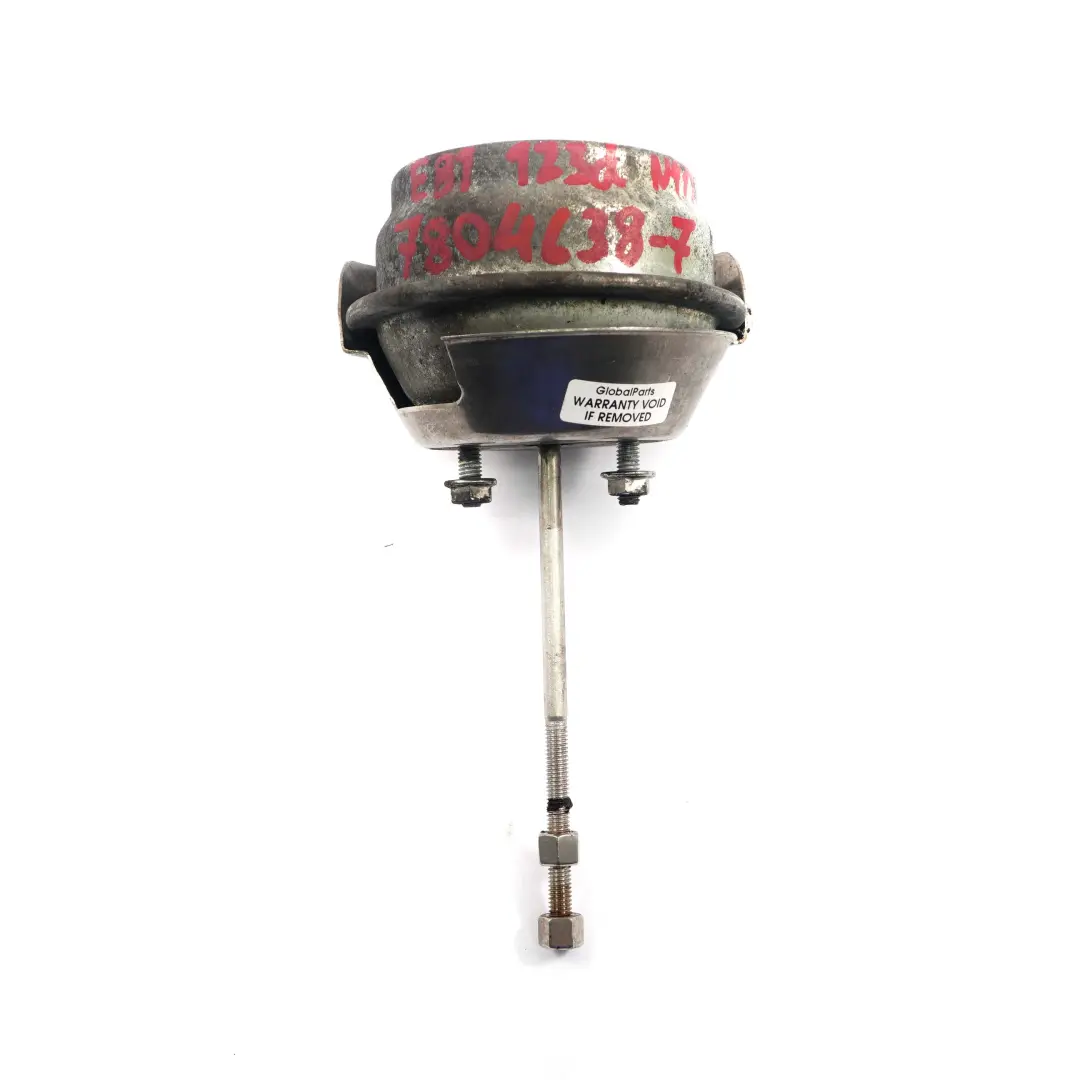
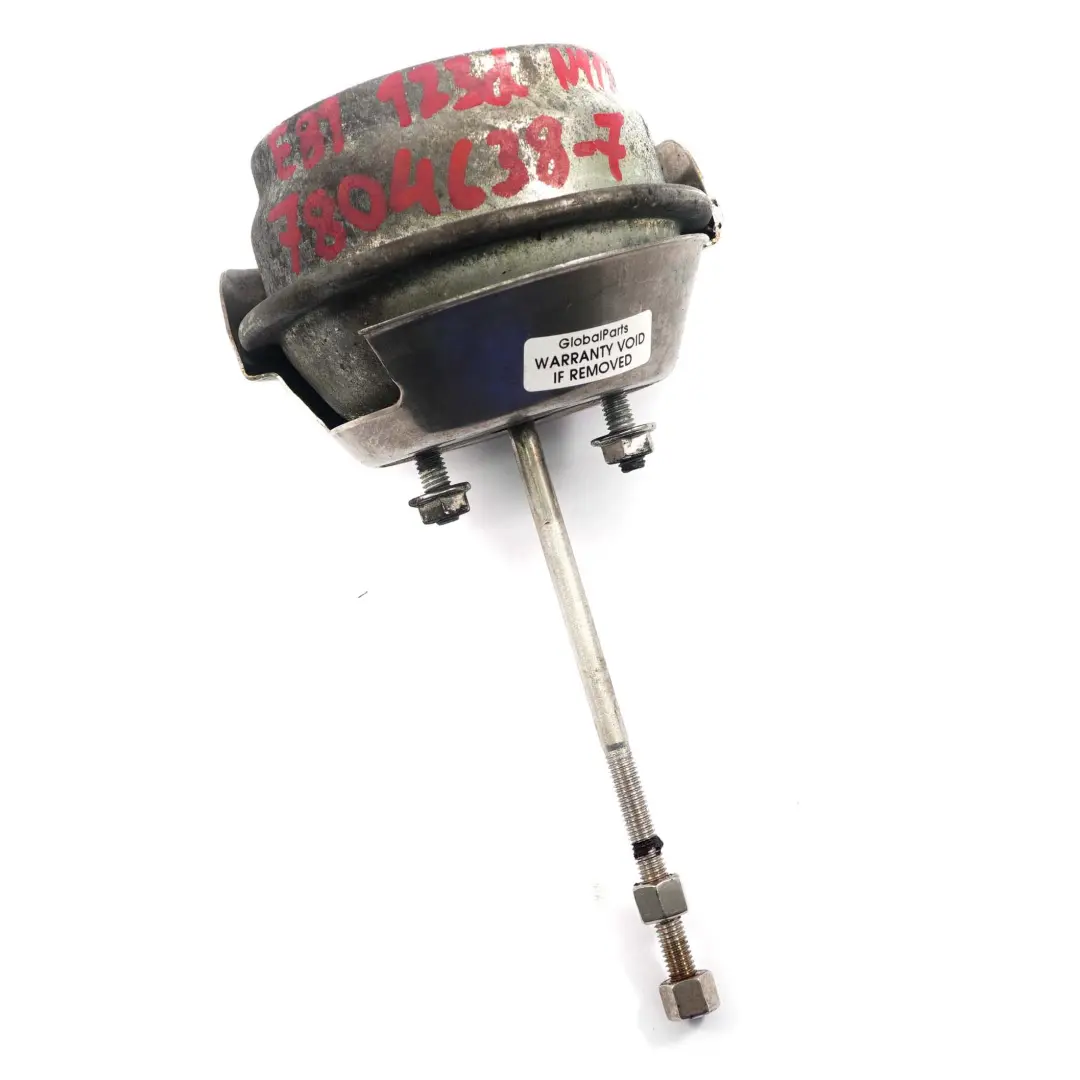
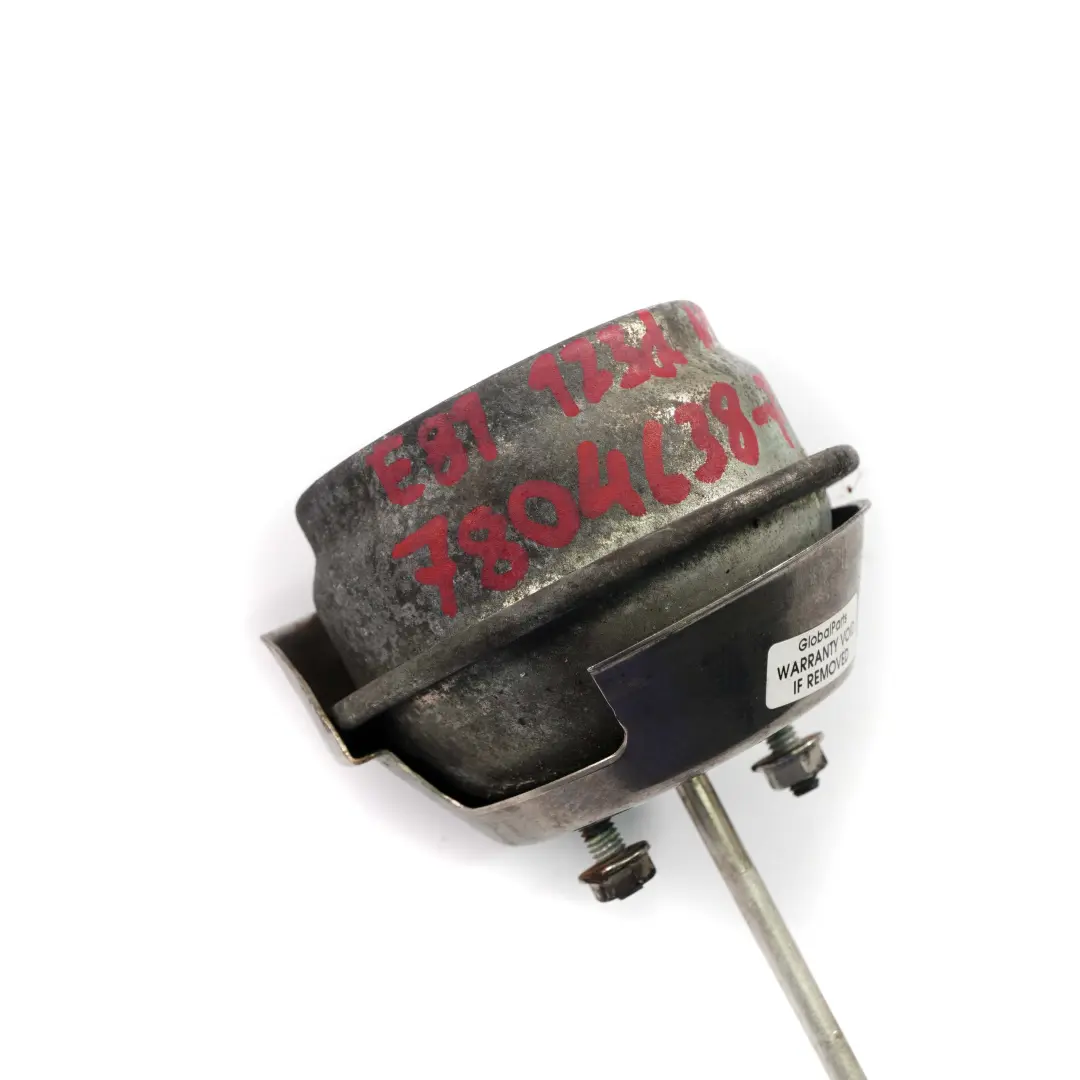
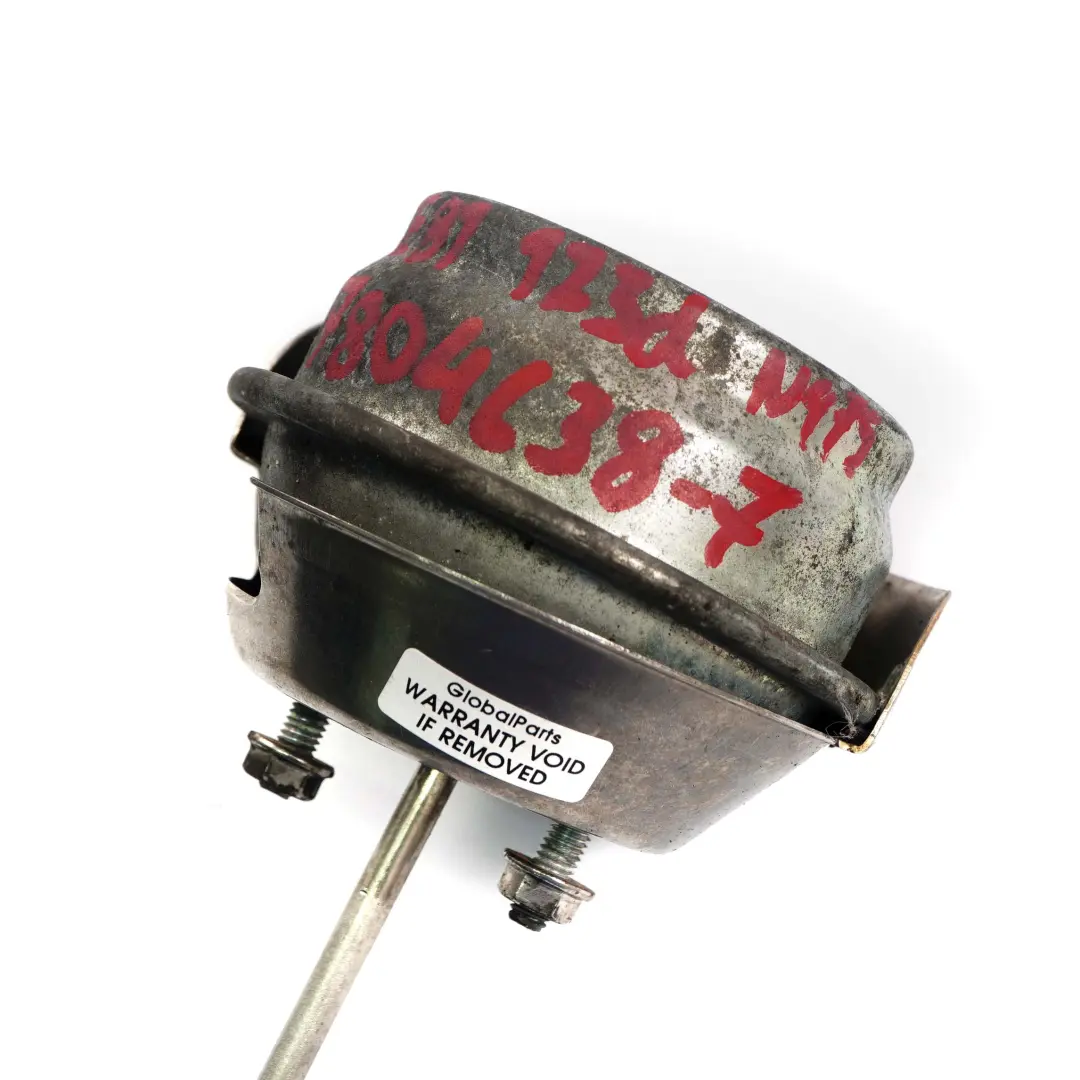
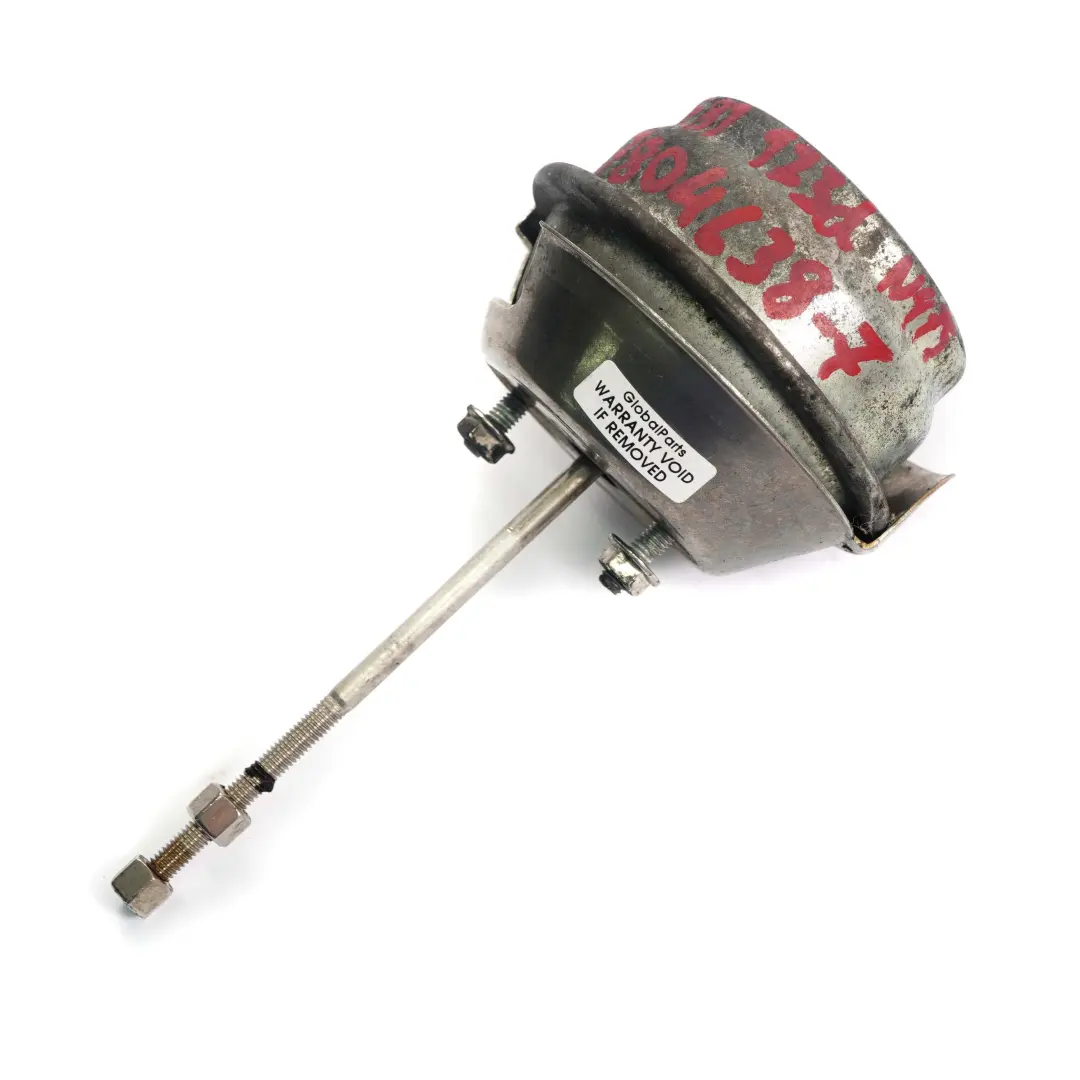
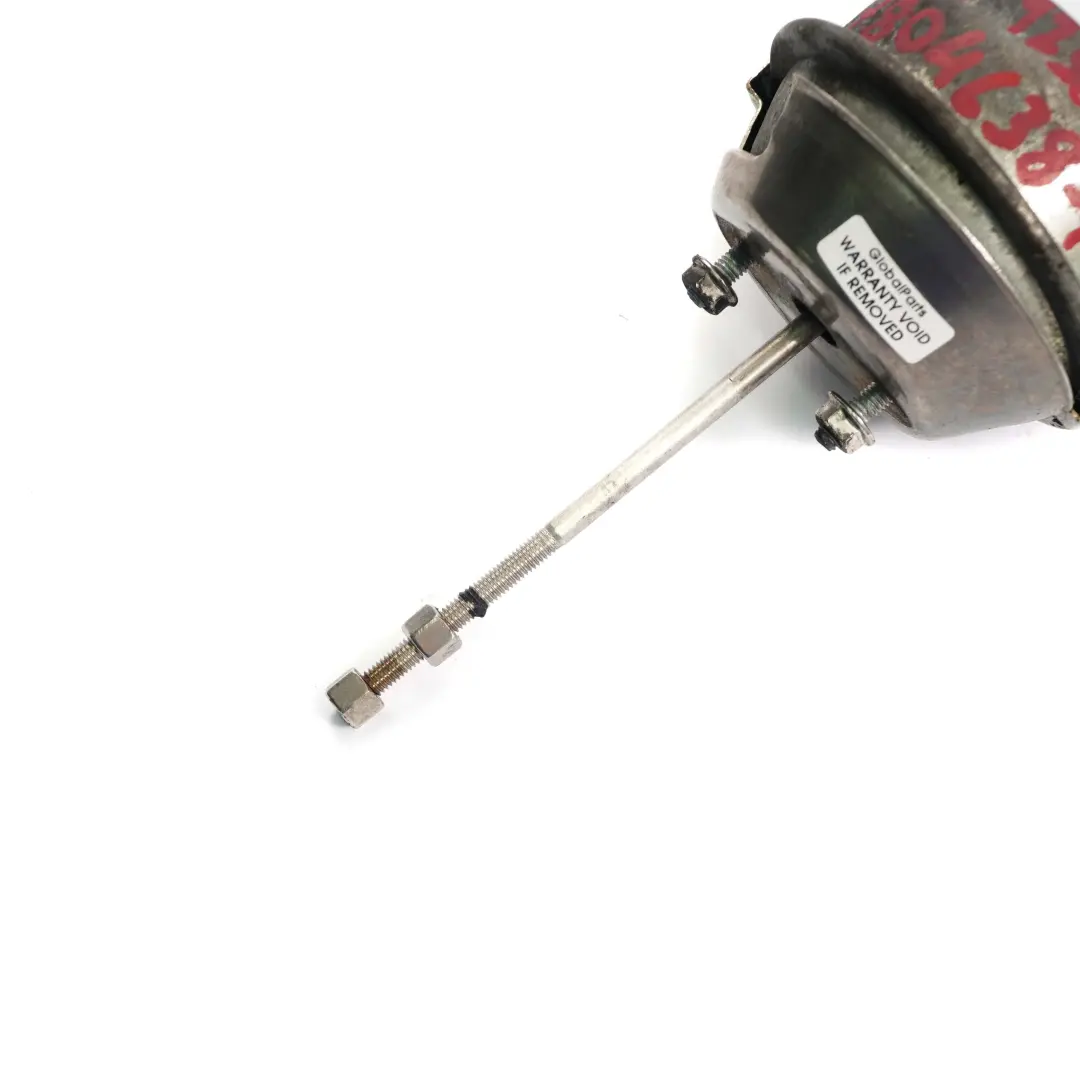
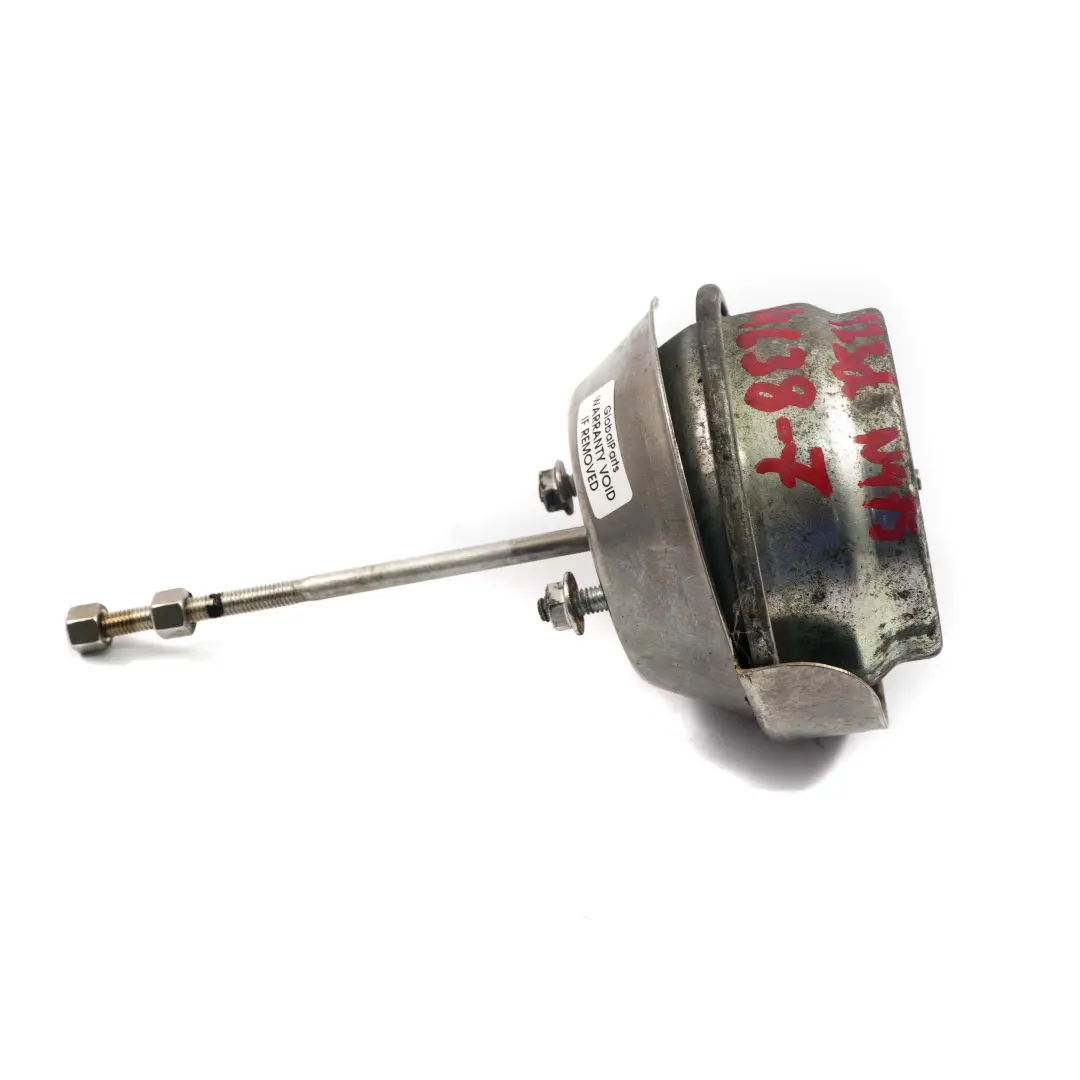
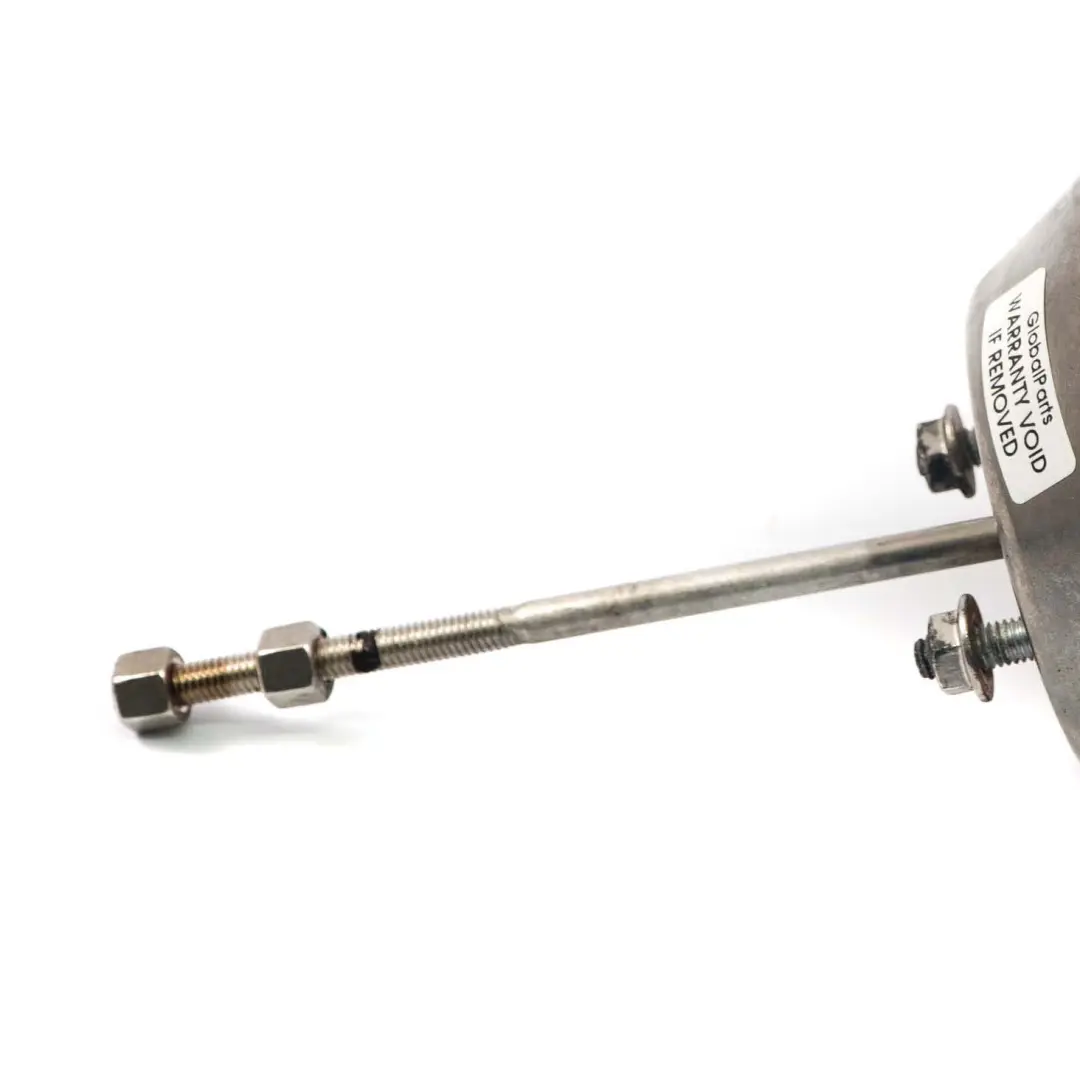
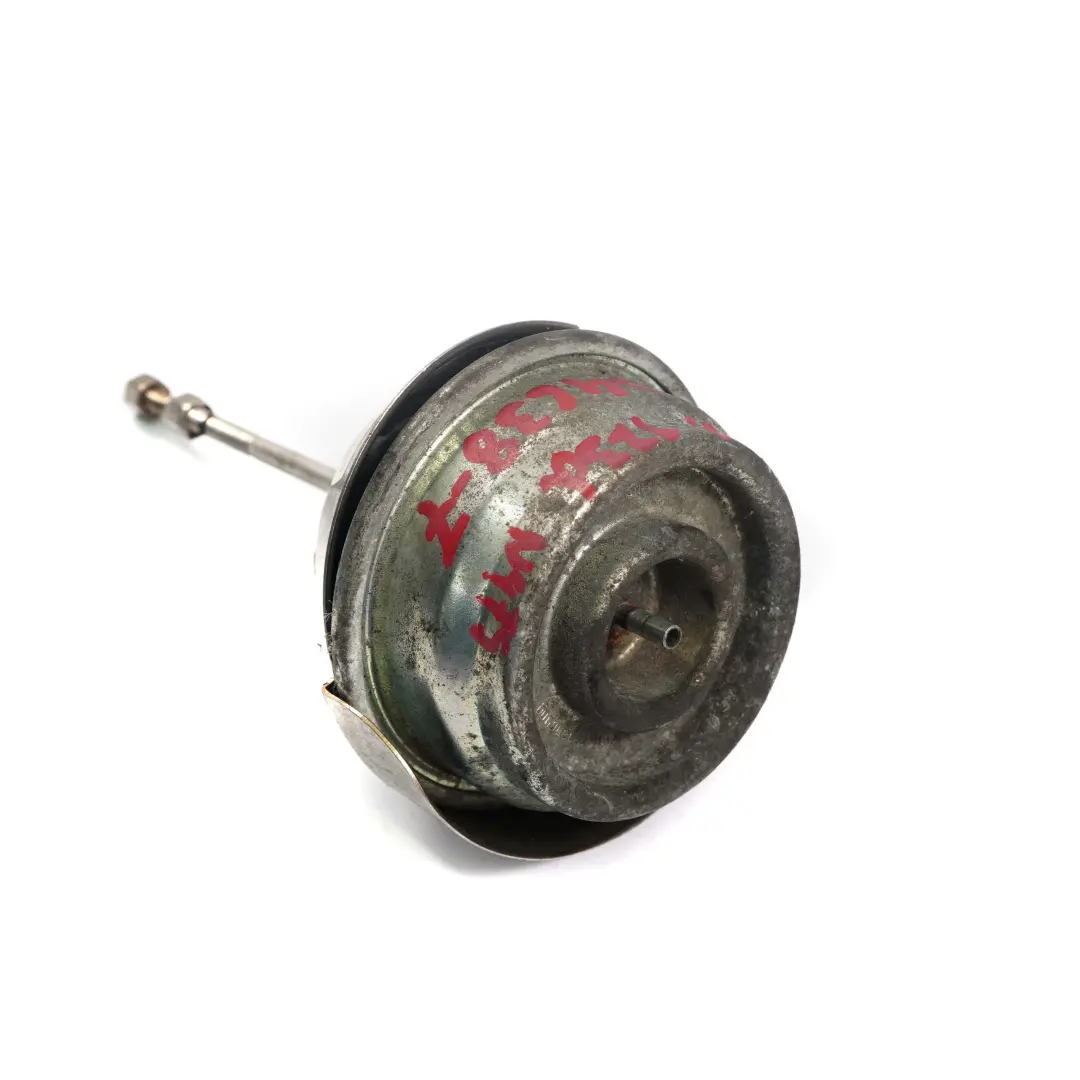
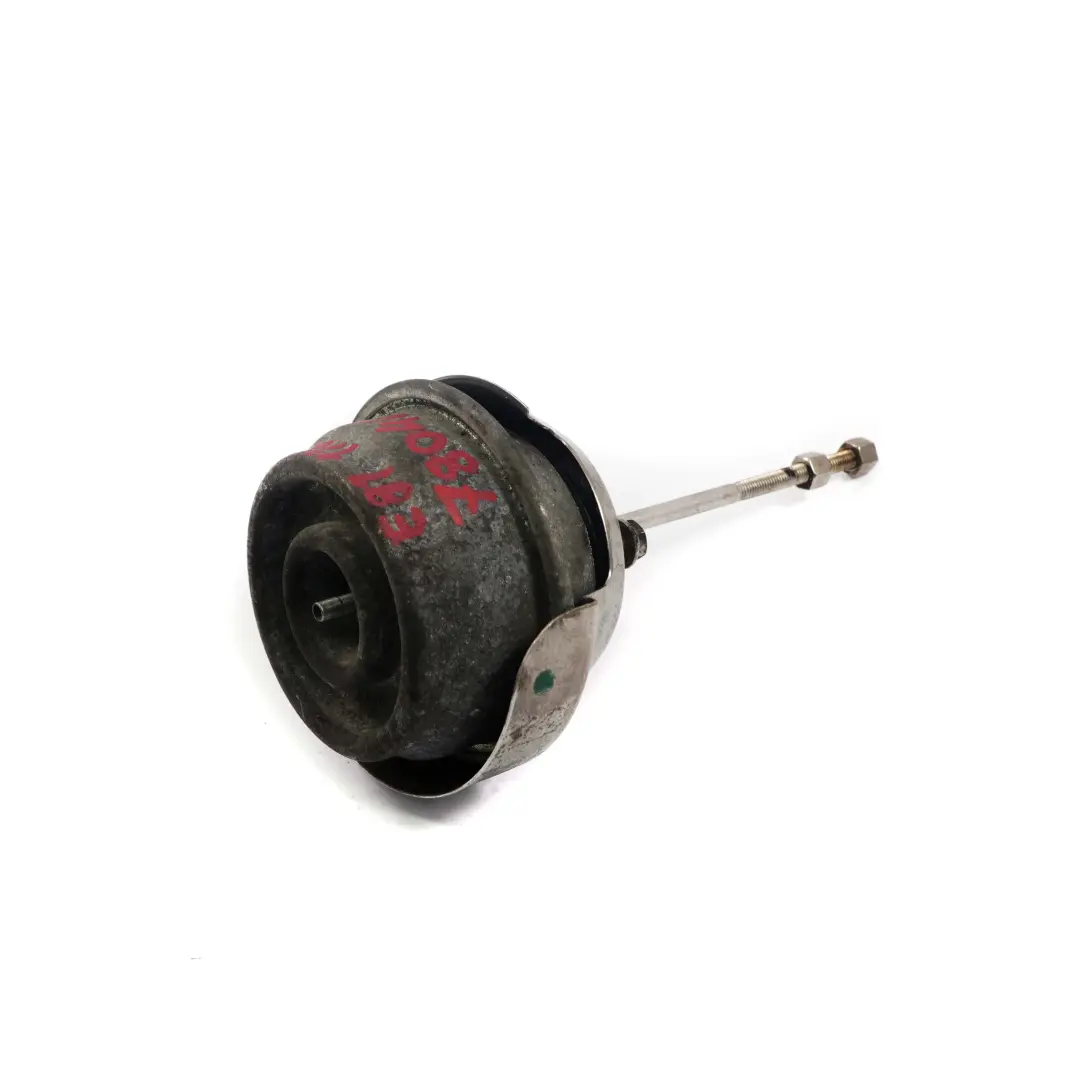
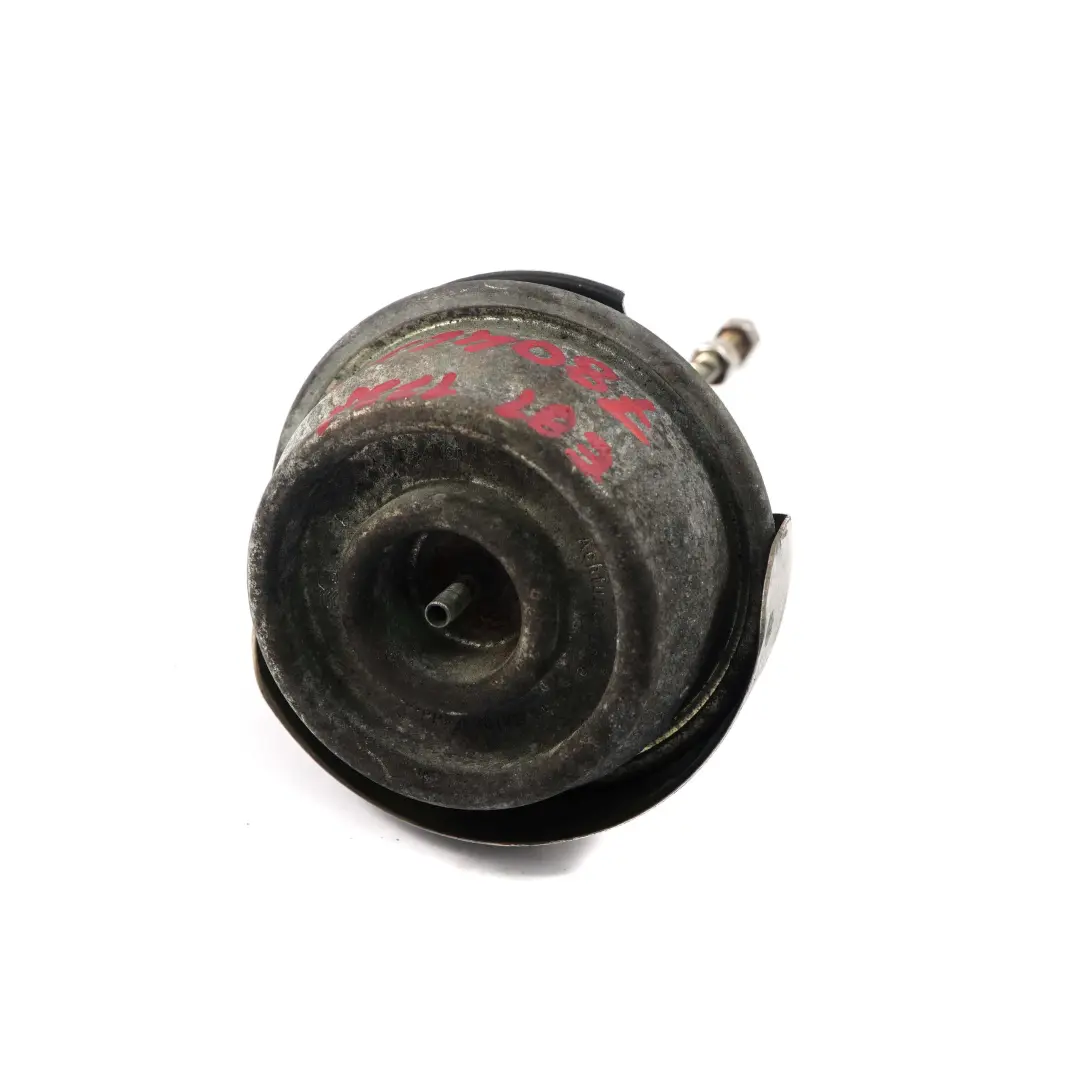
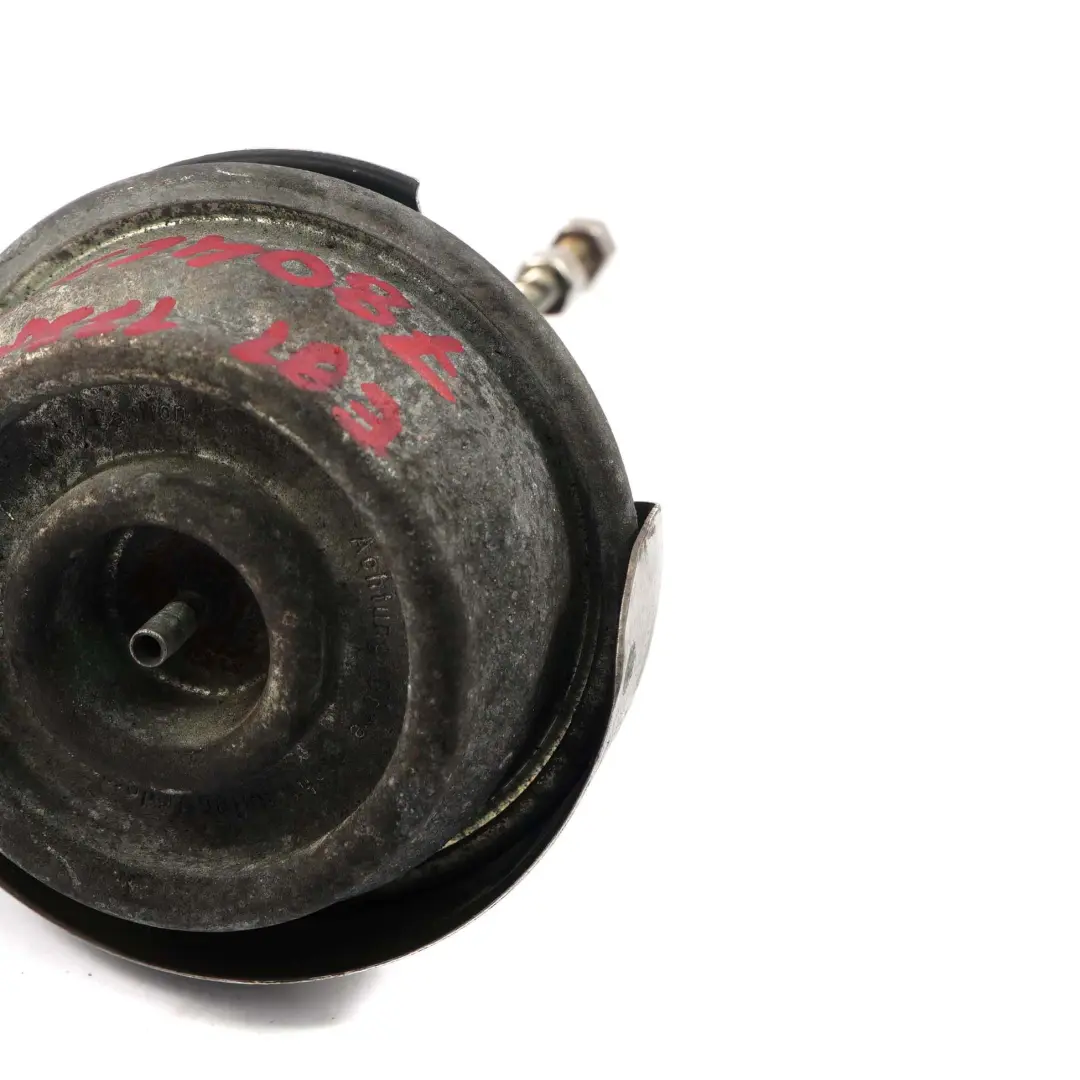
BMW E81 E87 LCI 123d N47S Actuator Turbocharger Turbo Part Vacuum Box 7804638
SKU: 7804638-7
Product from a certified dismantling facility
Condition:
Used
Available:
0
Delivery time:
Product currently unavailable
Payment methods:








Returns:
30 days return
Delivery from:
€0.00
This part is currently not available. Leave your email and we will notify you when the product is available again.
The BMW E81 123d N47S Pear Turbo Vacuum Valve is a specialized turbocharger and parts component designed to precisely control boost pressure in the BMW engine. The OEM component used ensures factory fit and maintains proper operating parameters of the turbocharger system.
Specifications and technical data
- SKU: 7804638-7
- Mark: BMW (Genuine OE)
- Condition: Used
- OEM Part Number: 7804638
- Substitutable numbers: 11657804638, 7804638, KZ
- Category: Turbos & Parts
Purpose and function in the supercharging system
The turbocharger vacuum valve is responsible for controlling the position of the turbocharger's actuators, which translates into stable boost pressure and correct torque characteristics. A properly functioning vacuum valve:
- ensures smooth boost build-up throughout the entire rev range,
- reduces the risk of turbocharger overload,
- supports the correct operation of the engine controller and the protection strategies of the drive unit,
- allows you to maintain a predictable response to the accelerator pedal.
Technical characteristics and fit
This component comes from the Turbocharger and Parts group, meaning it's designed to operate in demanding environments with high temperatures and variable loads. As an OEM BMW part, it retains:
- factory mounting geometry,
- compatibility with the original turbocharger accessories,
- proper operating parameters of the membrane and vacuum actuator.
This makes installation predictable and reduces the risk of problems with the calibration of the charging system after replacement.
Used condition - practical benefits
The item is offered in used condition, which represents a reasonable compromise between cost and functionality. For many BMW E81 123d N47S owners, this solution allows for:
- reduce the cost of repairing the supercharger system compared to a new part,
- maintain the original manufacturer's specifications,
- restore correct operation of the turbocharger without interfering with the engine software.
A used OEM component is particularly attractive for cars that are used intensively, where functionality, compatibility and a reasonable service budget are key.
Application in service and diagnostics
Replacing the turbo vacuum valve is often recommended for symptoms such as:
- uneven power build-up or noticeable "holes" in the boost,
- engine emergency mode related to boost pressure,
- error messages regarding turbocharger control.
Selecting an original component from the same BMW model group reduces the need for additional modifications and facilitates the work of the workshop, especially when diagnosing the charging systems in N47S engines.
Alternative Part Numbers and Identification
The turbo vacuum valve has a dedicated OEM part number and associated interchange numbers, making it easy to identify in BMW catalogs and service systems. In practice, this means you can quickly check compatibility with a specific engine configuration and the part's revision history within a given model.
Other turbochargers and parts for BMW
If you're looking for other turbochargers and parts for BMW, check out our dedicated category: Turbochargers and Parts for BMW . This allows you to easily compare available turbocharger components and choose the right ones for your engine.
BMW Youngtimers and Used Supercharging System Components
Owners of older BMW models are increasingly turning to used turbocharger components to keep their cars in top condition without breaking the bank. If you're interested in a broader perspective on the use of used parts in cars from the 1998–2012 era, check out the article: The Second Life of a Youngtimer – How Used Car Parts Rejuvenate 1998–2012 Cars . You'll find practical upgrade scenarios and tips for selecting components there.
Summary
The BMW E81 123d N47S Pear Turbo Vacuum Valve is a used, original turbocharger and parts component designed to precisely control boost pressure in your BMW engine. Selecting this component allows you to restore proper turbocharging system operation, maintain factory engine characteristics, and optimize service costs, which is especially important for heavily used vehicles and older models that are well-maintained.
Delivery details
Ship to: Austria
Check delivery times for another country
Delivery Price
Service
Postage and packaging
Delivery time
Estimated delivery dates include sellers dispatch time, origin postcode,destination postcode and time of acceptance, and will depend on the postage service selected and receipt of cleared payment. Delivery times may vary, especially during peak periods.
Will usually dispatch within same working day if paid before 14:00 BST (excludes weekends and holidays). Expected dispatch time may vary and is based on sellers order cut-off time.
In the automotive store Global Parts, we offer fast and secure deliveries for our customers in Austria, ensuring maximum compliance with local service standards. Each order is processed with the utmost attention, guaranteeing a fluid shopping process and a timely delivery. If you need assistance in choosing the right part, our team of consultants will be happy to help you find the right part for your vehicle and provide information on installation, availability and parameters of the selected components.
Proposed car parts:
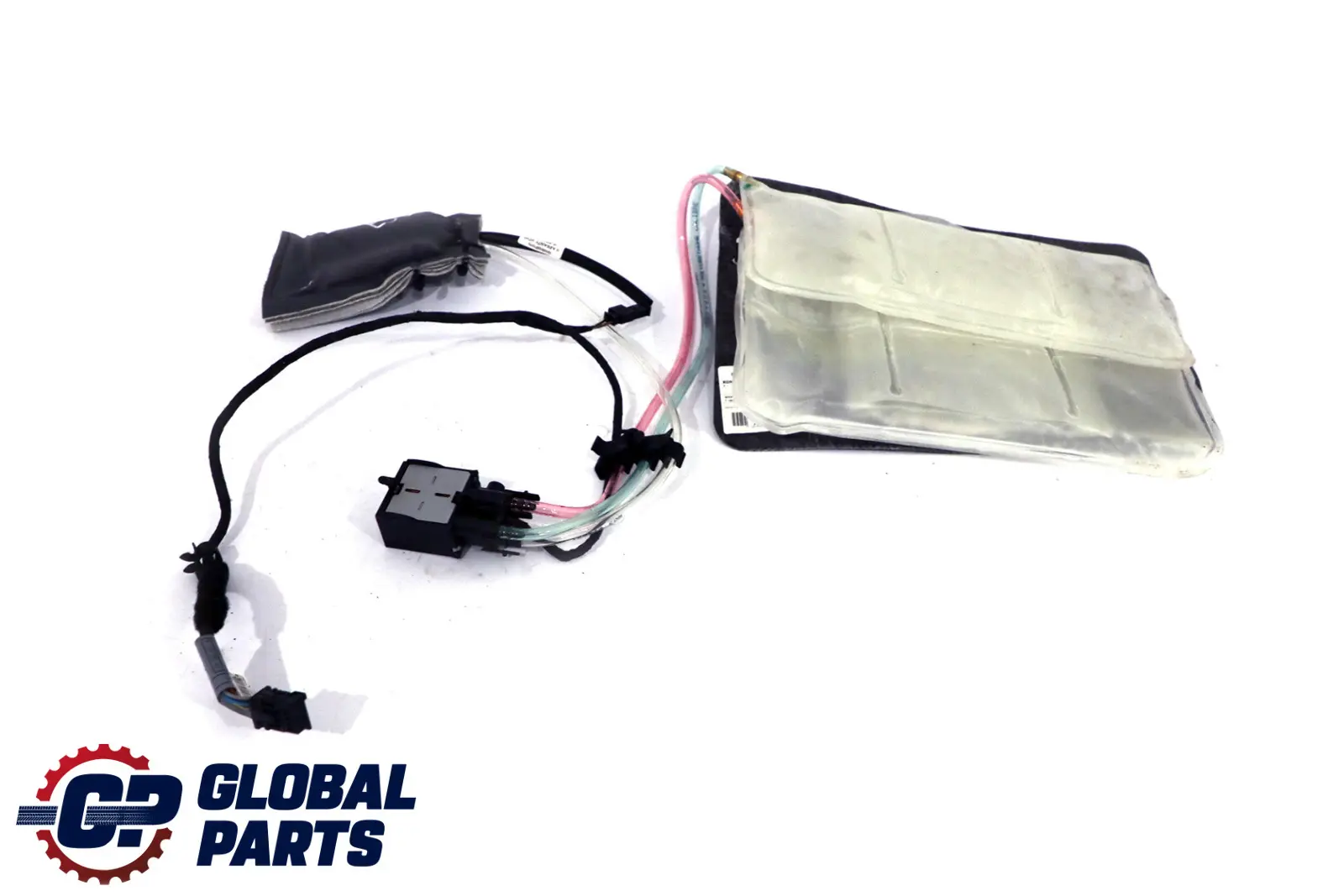
Part no. 7138787
BMW 1 3 Series E81 E87 E90 E91 Front Seat Lordosis Pad Lumbar Support Pump
€94.95
Free delivery: Jul 23 – 28
If paid before 14:00
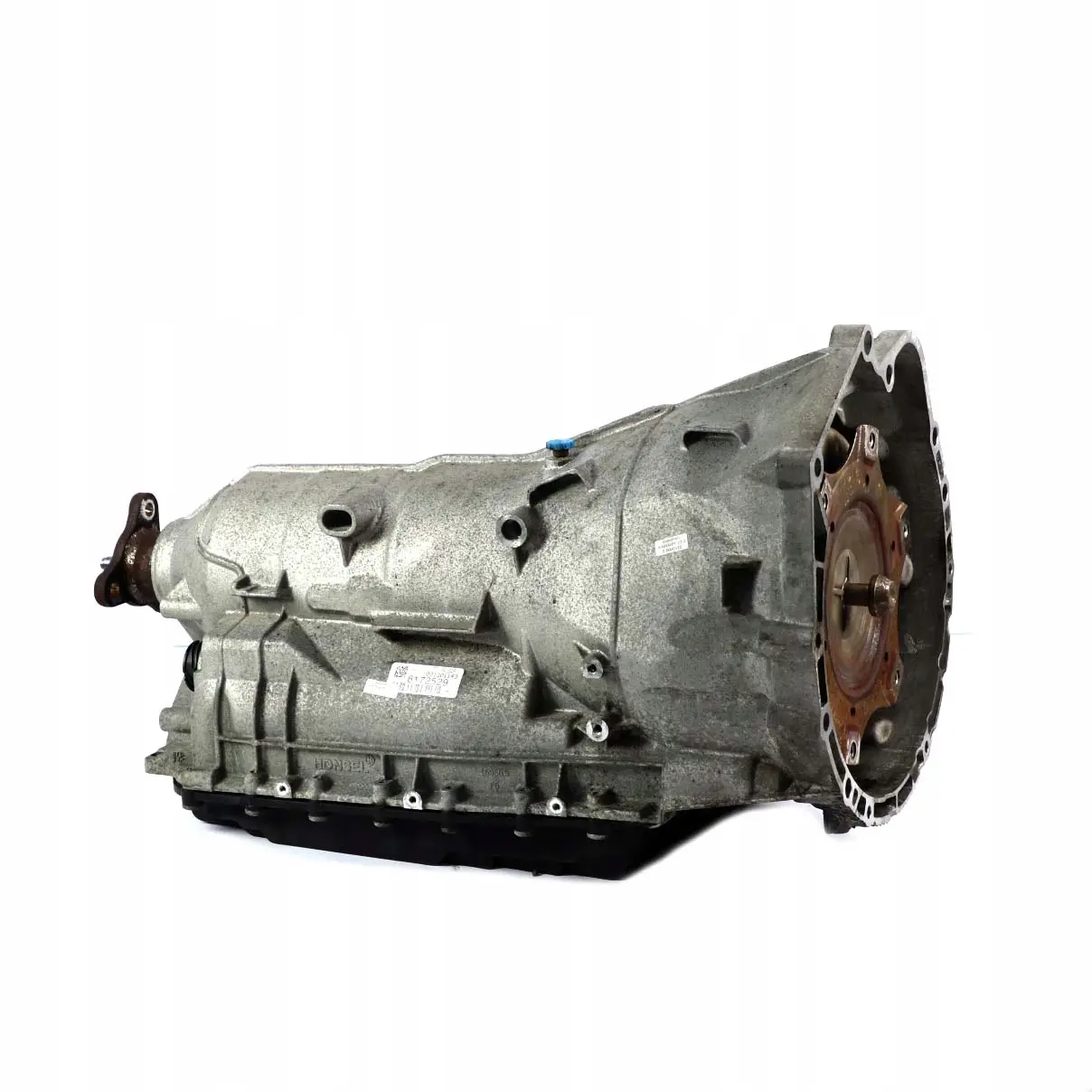
Part no. 7630997
BMW E81 E87 LCI E90 E91 120i 320i N43 Automatic Transmission Gearbox WARRANTY
€237.95
Free delivery: Jul 23 – 28
If paid before 14:00
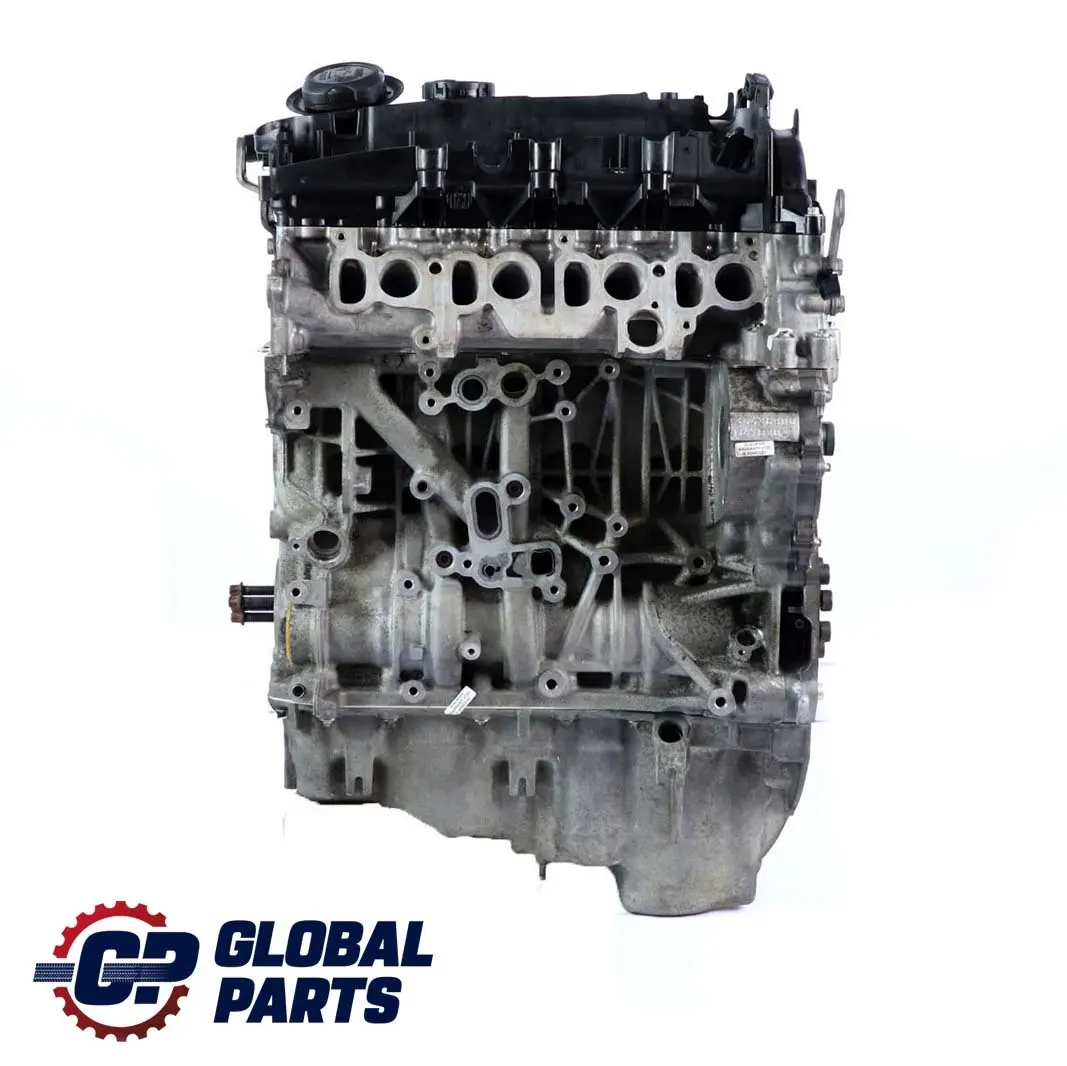
Part no. 2146551
BMW E81 E87 LCI E90 E91 E92 120d 320d N47 177HP Bare Engine N47D20A WARRANTY
€1,803.95
Free delivery: Jul 23 – 28
If paid before 14:00

Part no. 6795570-5
BMW E81 E82 E87 E90 E91 E92 NEW Leather / Alcantara M Sport Look Steering Wheel
€227.95
Free delivery: Jul 23 – 28
If paid before 14:00
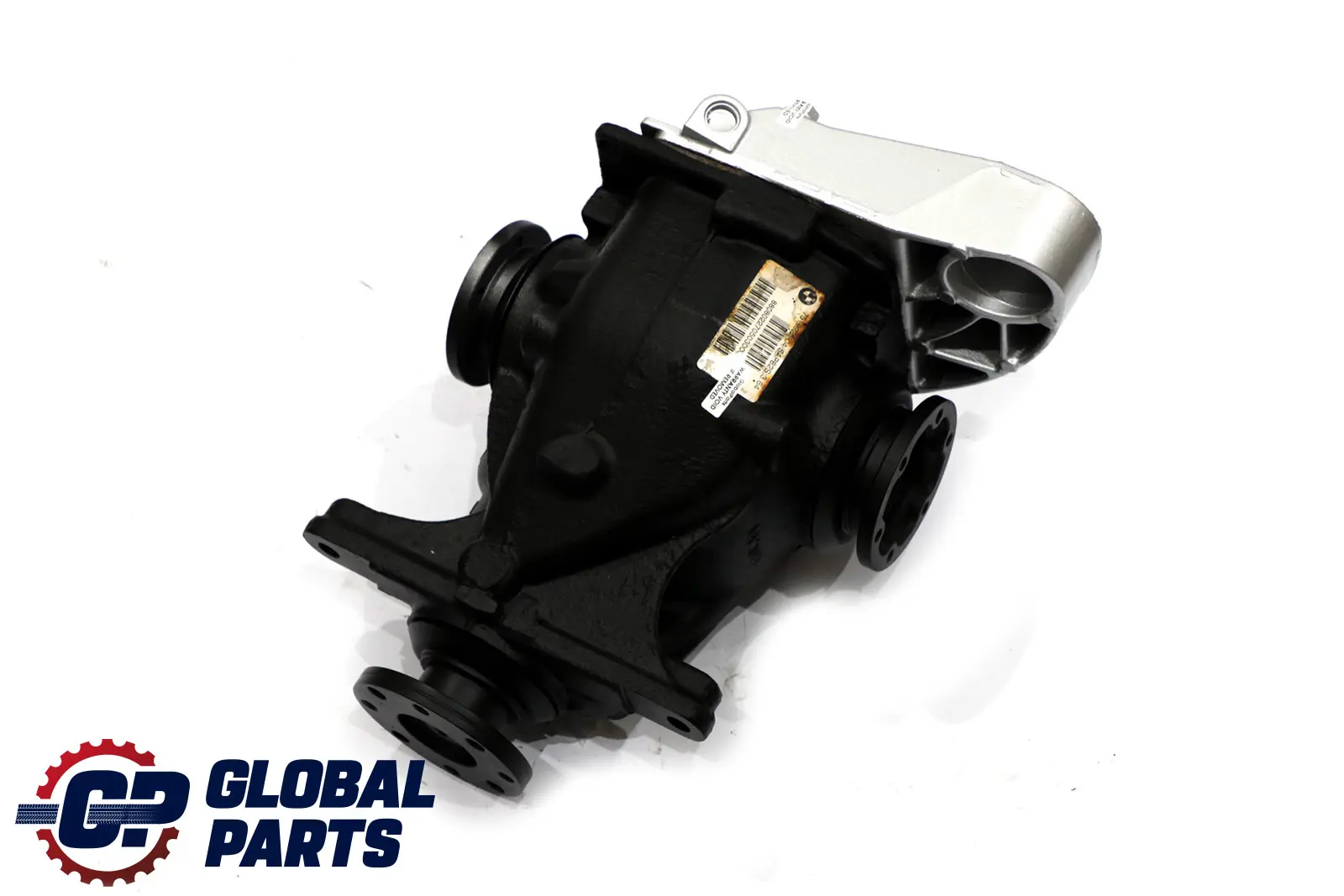
Part no. 7519925-1
BMW E87 E90 116i 120i 316i 320i Rear Differential Diff 3.64 Ratio RECONDITIONED
€712.95
Free delivery: Jul 23 – 28
If paid before 14:00
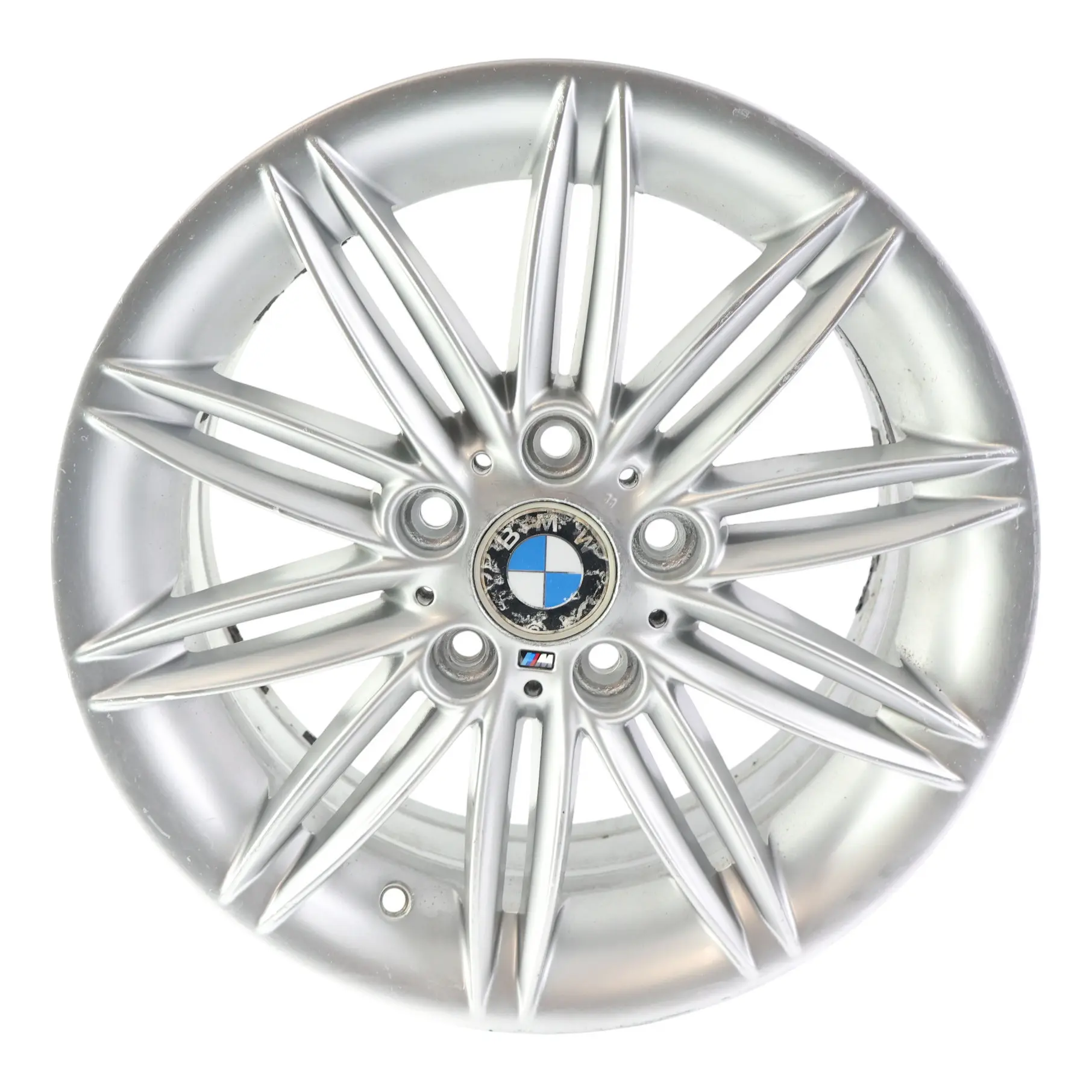
Part no. 8036938-4
BMW E81 E82 E87 E88 Rear Wheel Alloy Rim 17" 7,5J ET:47 M Double Spoke 207
€94.95
Free delivery: Jul 23 – 28
If paid before 14:00
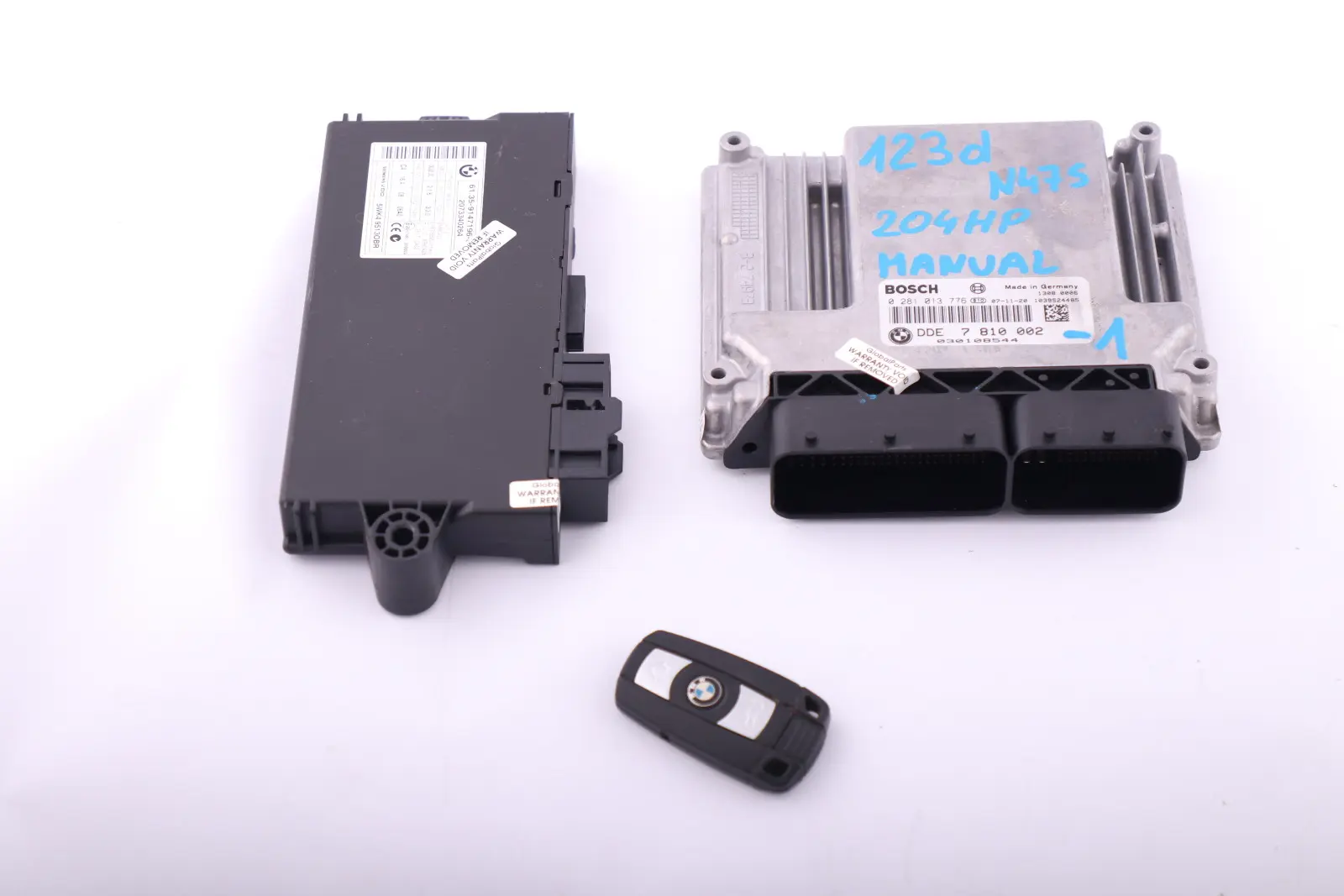
Part no. 7810002-1
BMW 1 Series E81 E82 E87 LCI E88 N47S 123d ECU Kit DDE CAS 3 Key 7810002 Manual
€284.95
Free delivery: Jul 23 – 28
If paid before 14:00
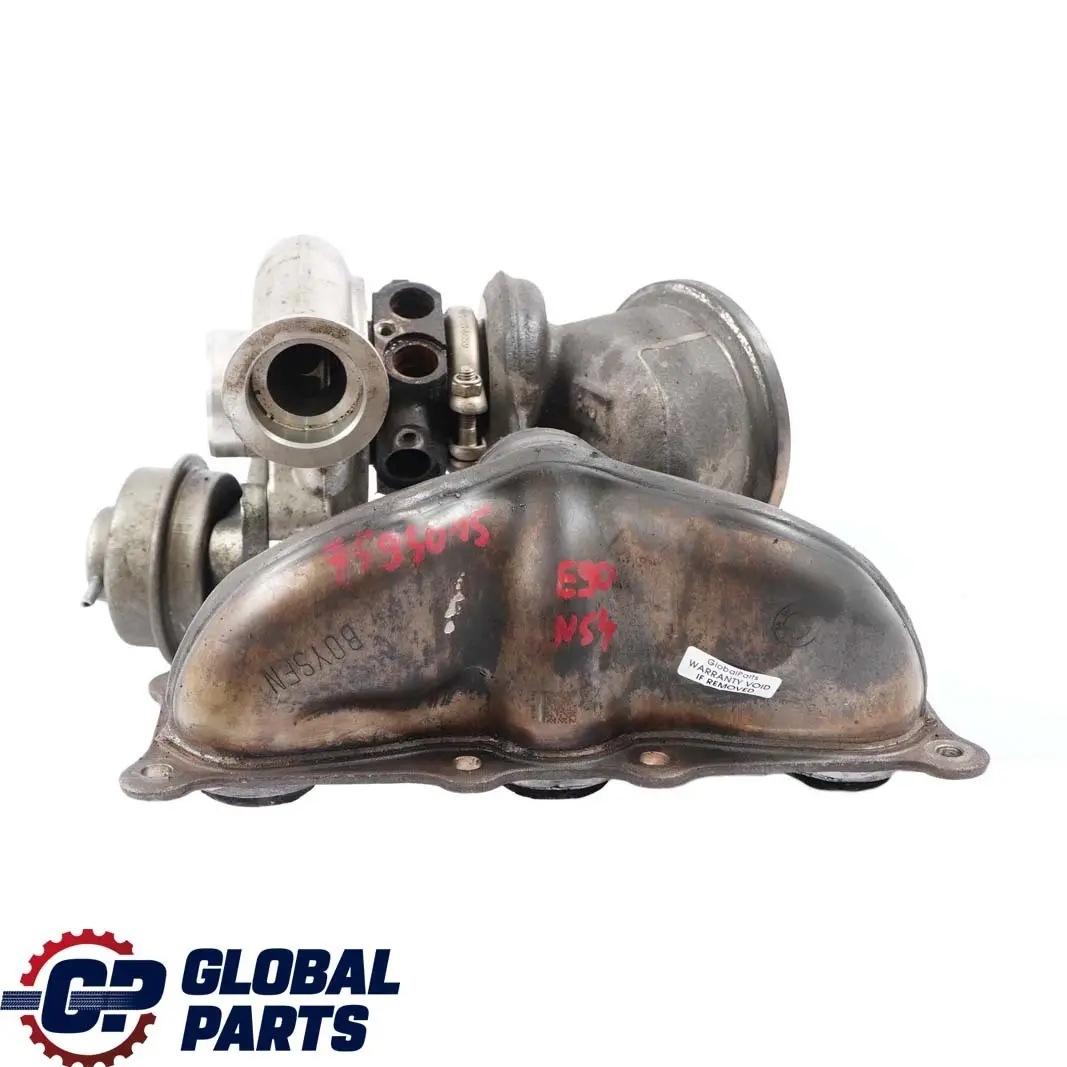
Part no. 7593015-1
BMW 3 E90 E91 E92 E93 335i 1 Petrol N54 Turbocharger Turbo Charger 7593015
€199.95
Free delivery: Jul 23 – 28
If paid before 14:00
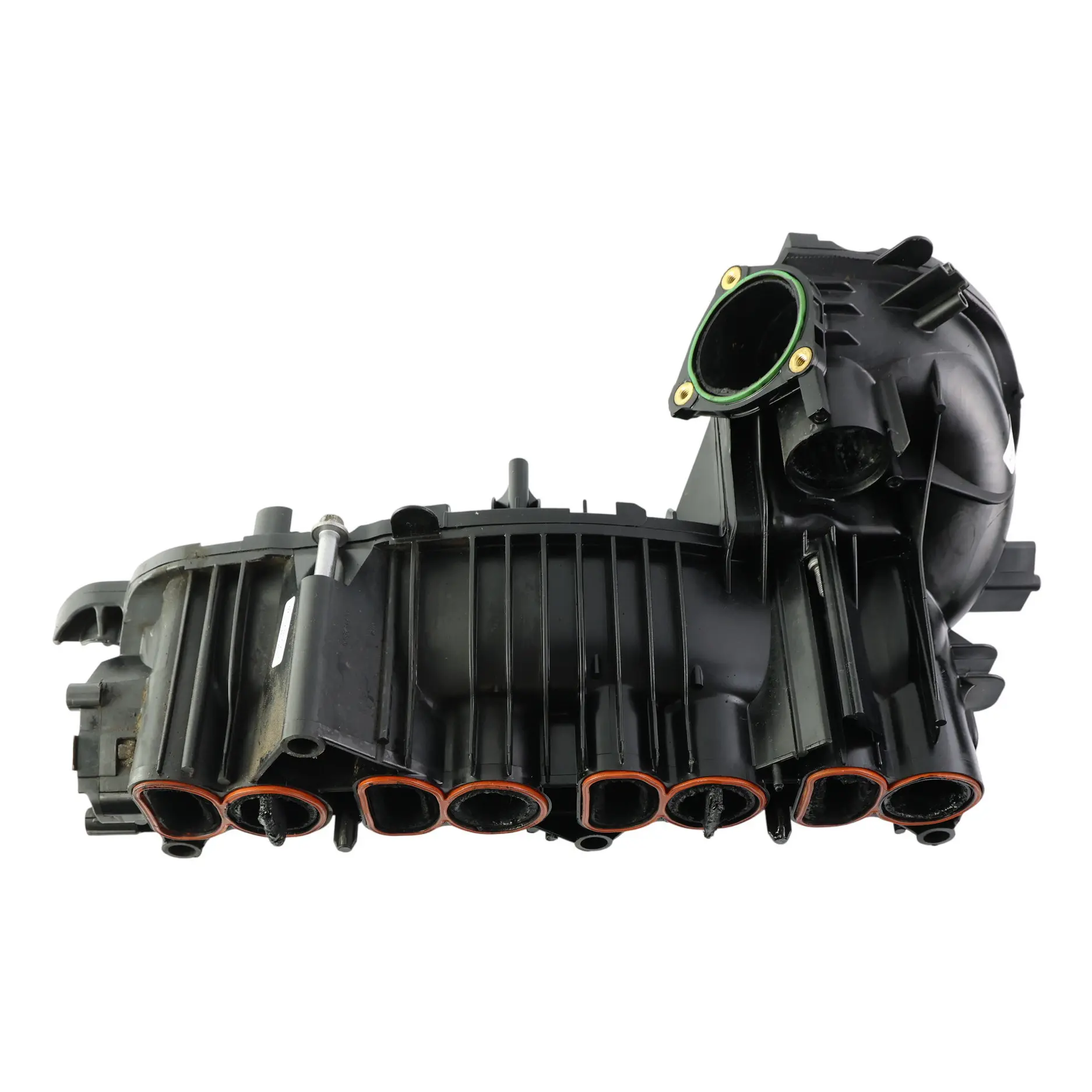
Part no. 7810178
Intake Manifold BMW E81 E87 LCI E90 E91 E92 N47 With Flap Control 7810178
€66.95
Free delivery: Jul 23 – 28
If paid before 14:00
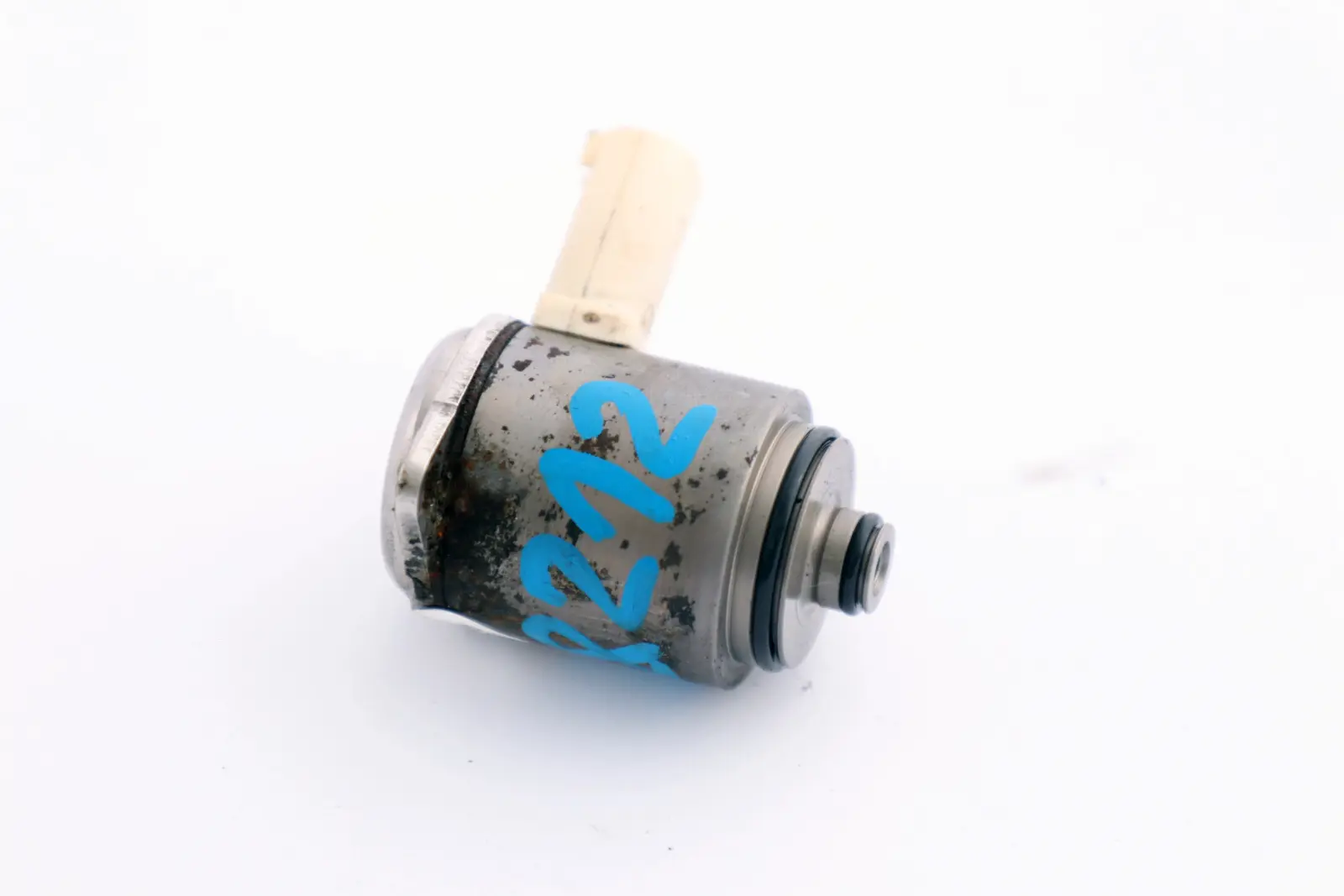
Part no. 6788212
BMW E60 E90 F10 F11 Torque Converter Servotronic Pressure Regulator
€113.95
Free delivery: Jul 23 – 28
If paid before 14:00
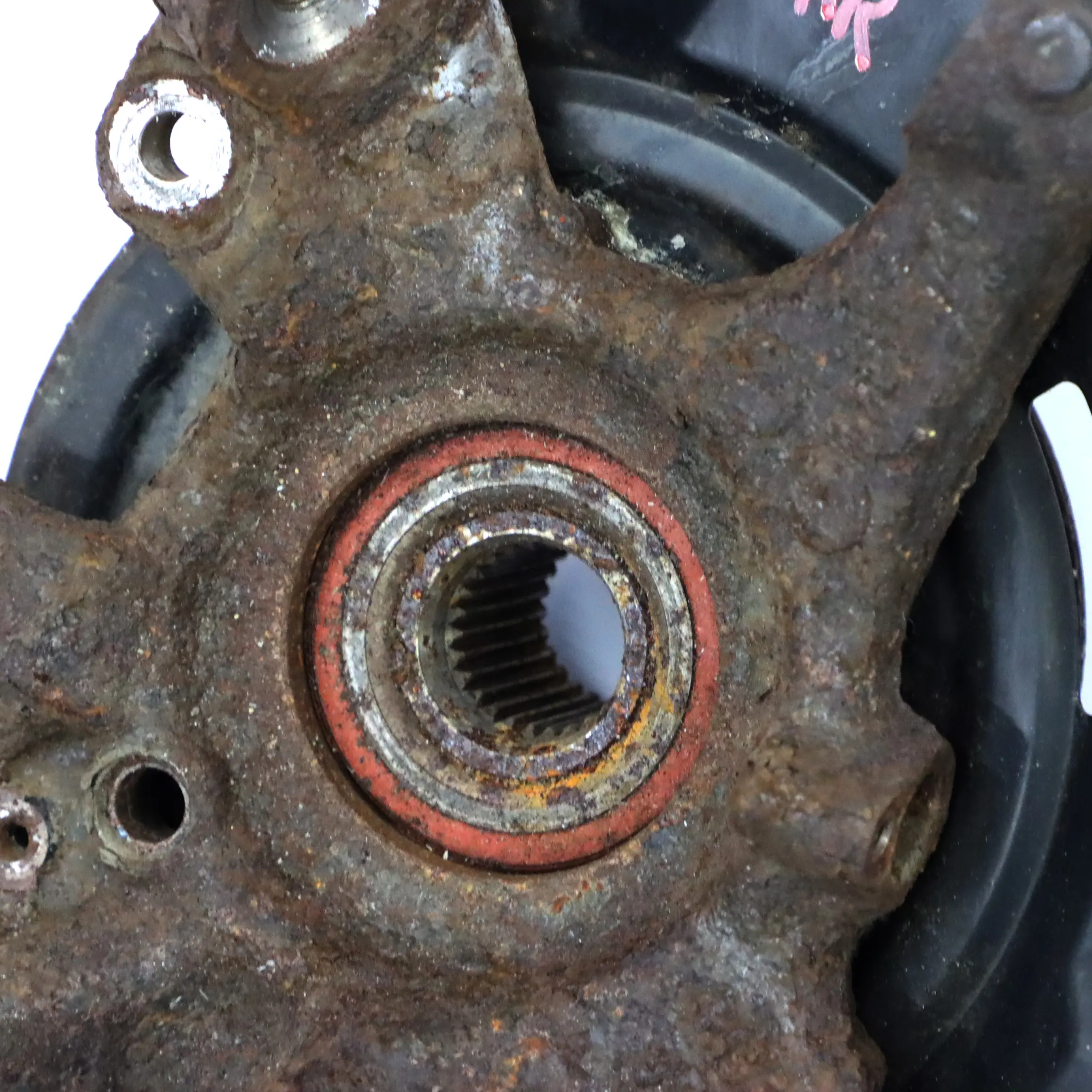
Part no. 6774810-22
BMW 1 E87 116i N43 2.0 Rear Right O/S Spring Strut Leg Brake Suspension Hub
€132.95
Free delivery: Jul 23 – 28
If paid before 14:00
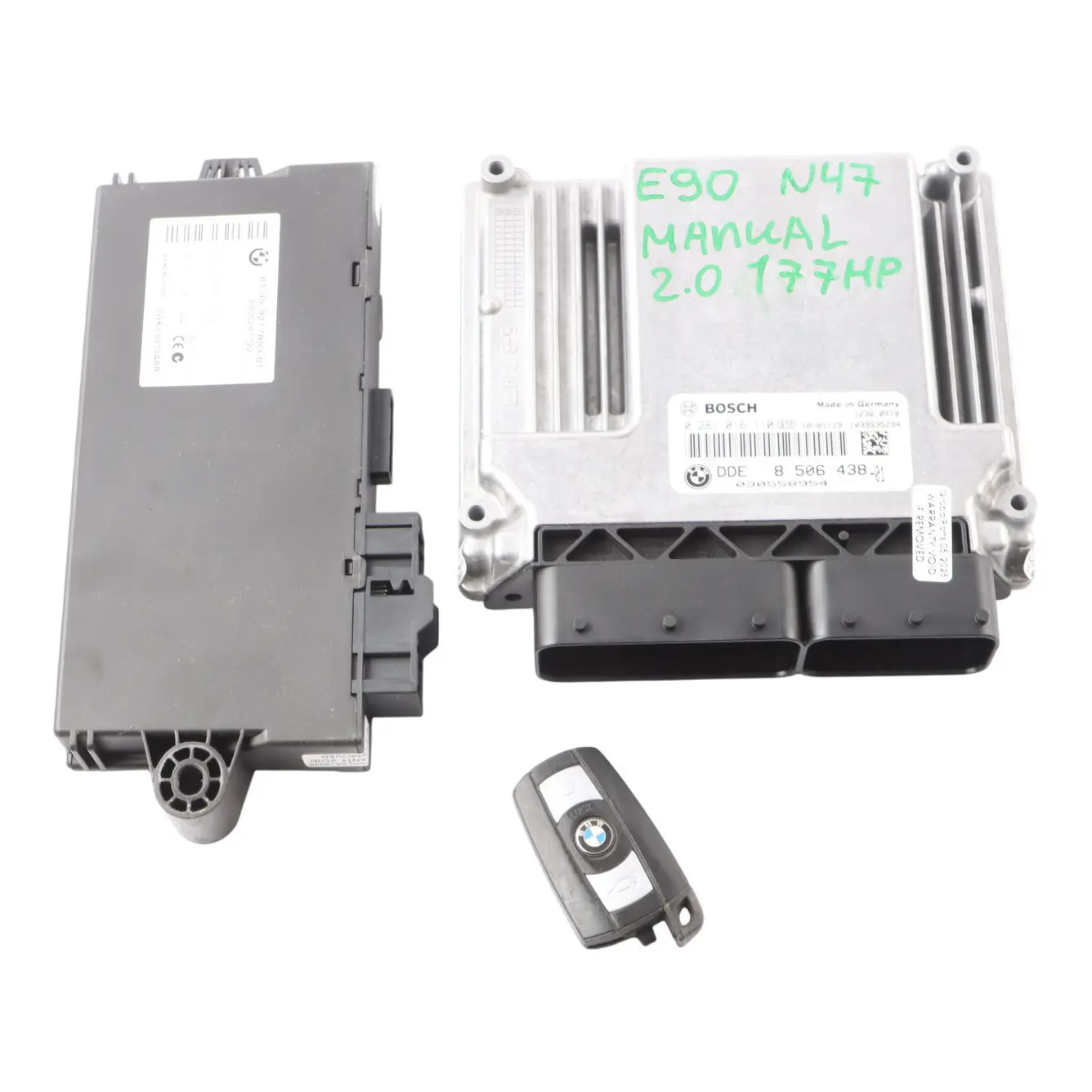
Part no. 8506438-1
BMW E81 E87 LCI E90 E91 120d 320d N47 177HP ECU KIT DDE 8506438 CAS 3 Key
€189.95
Free delivery: Jul 23 – 28
If paid before 14:00