Out of Stock
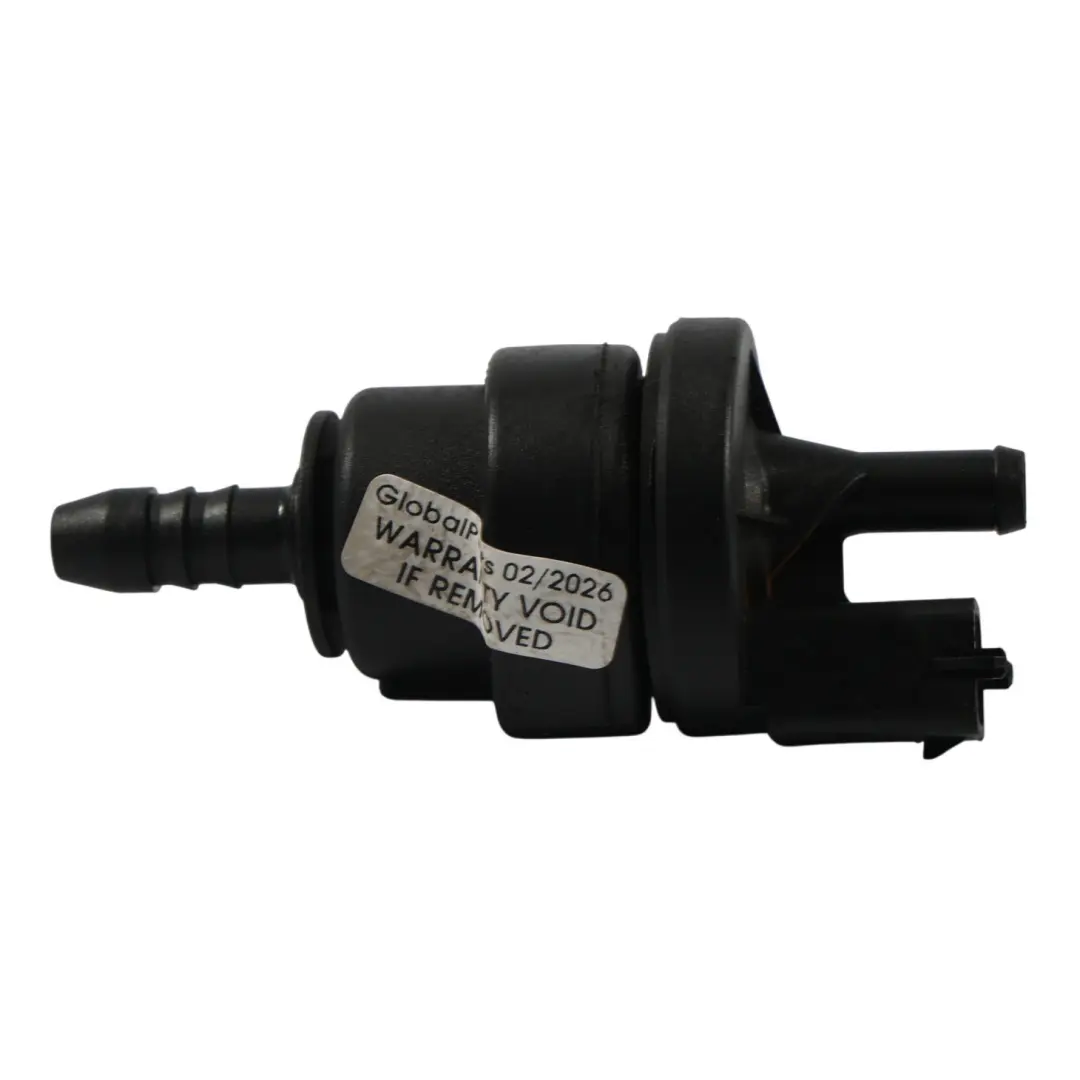
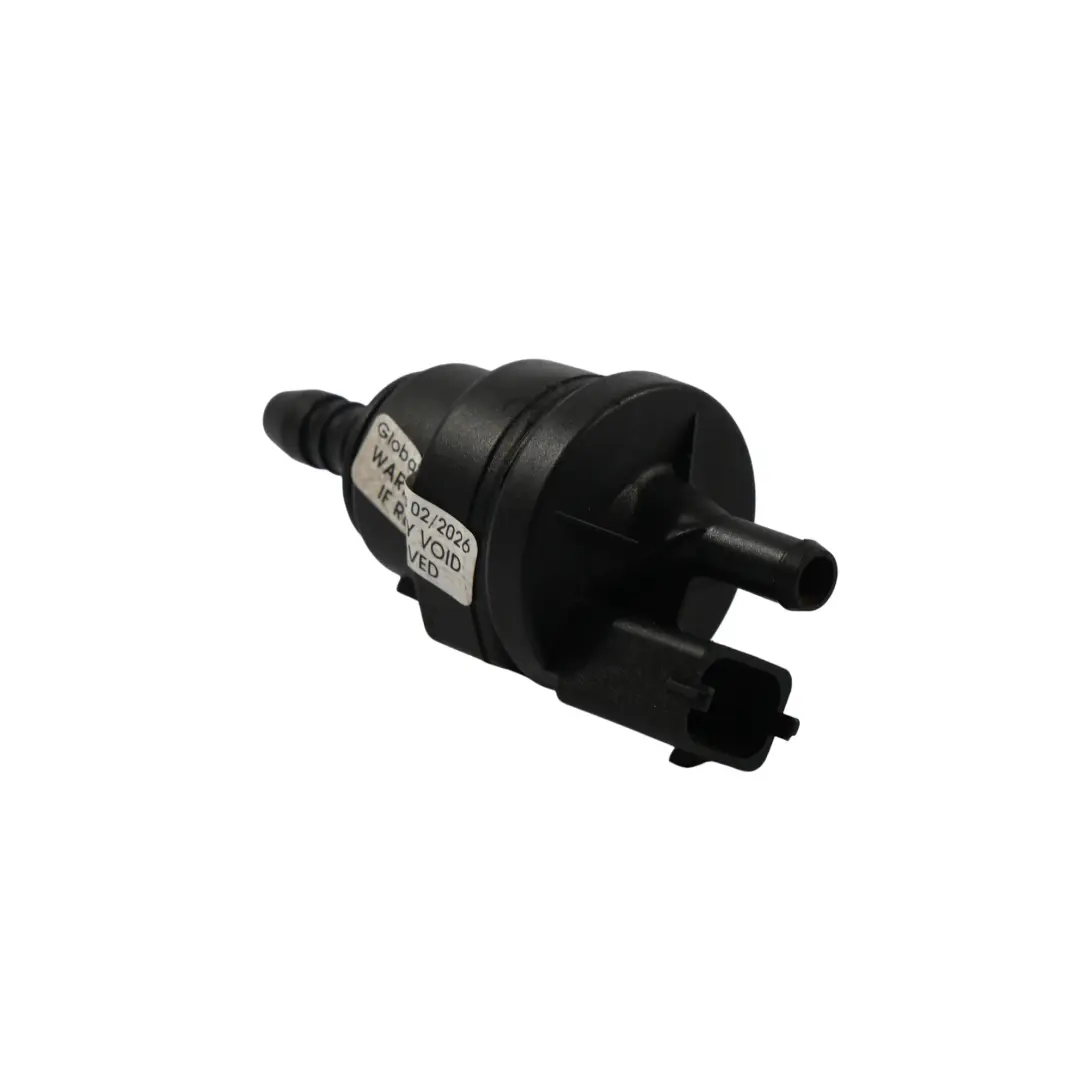
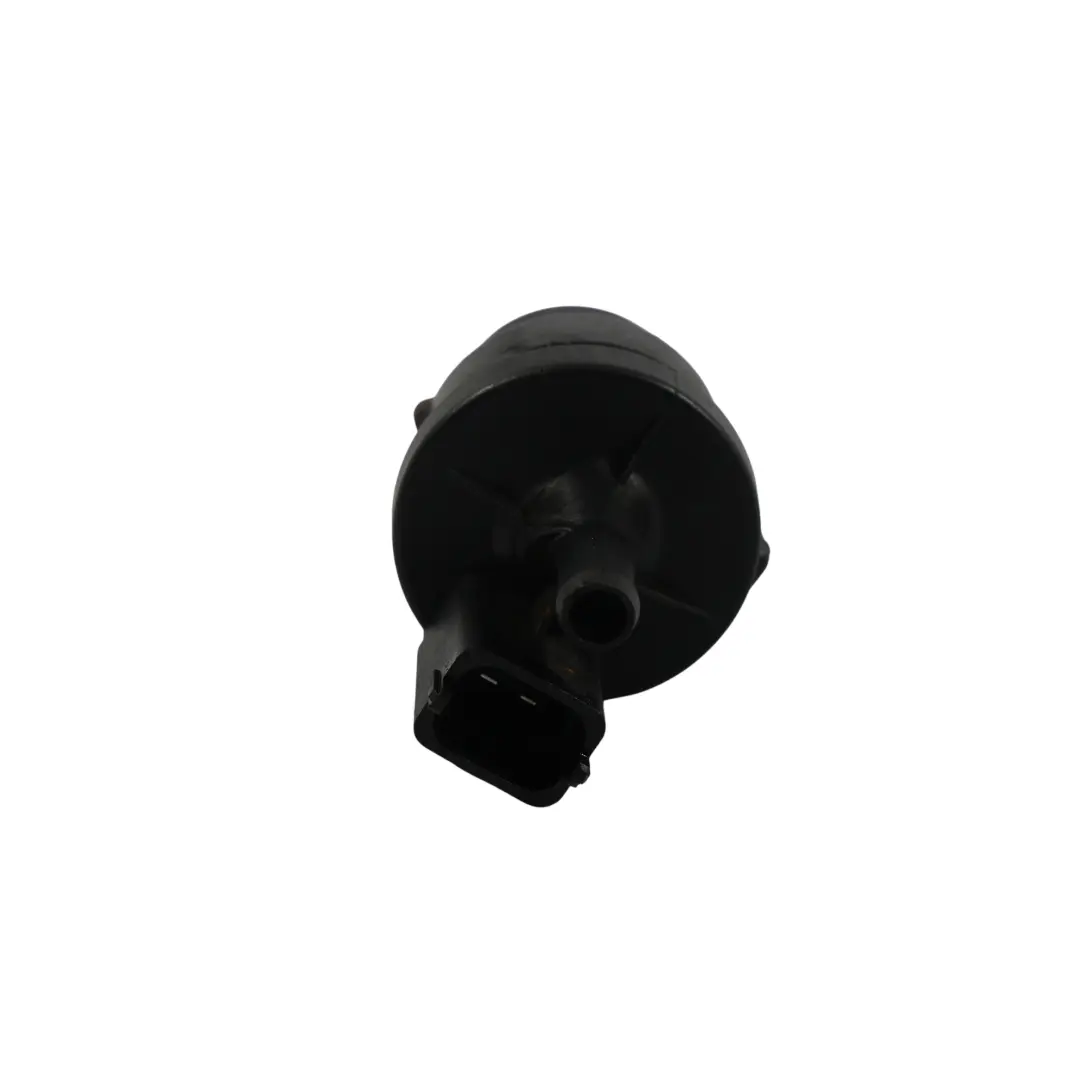
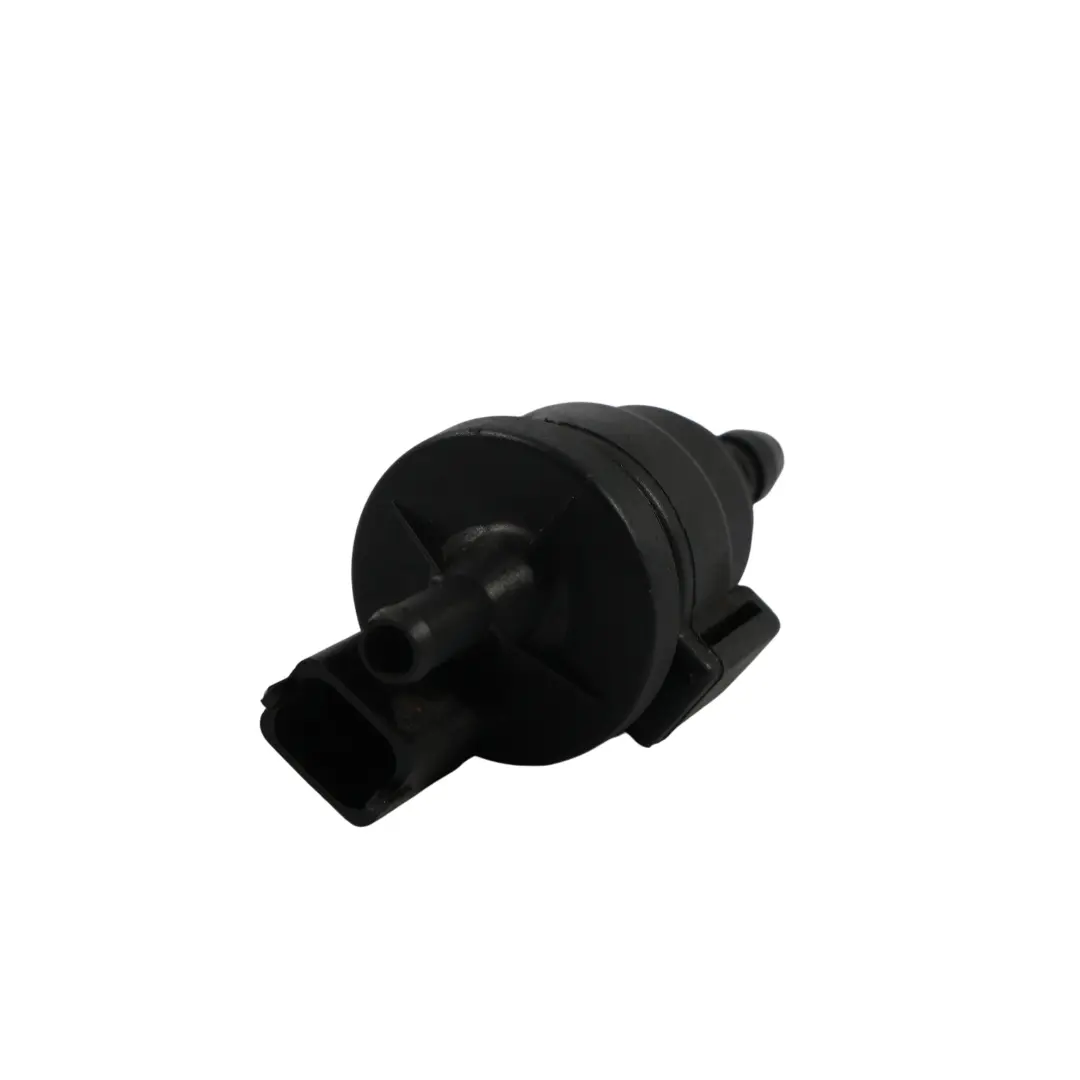
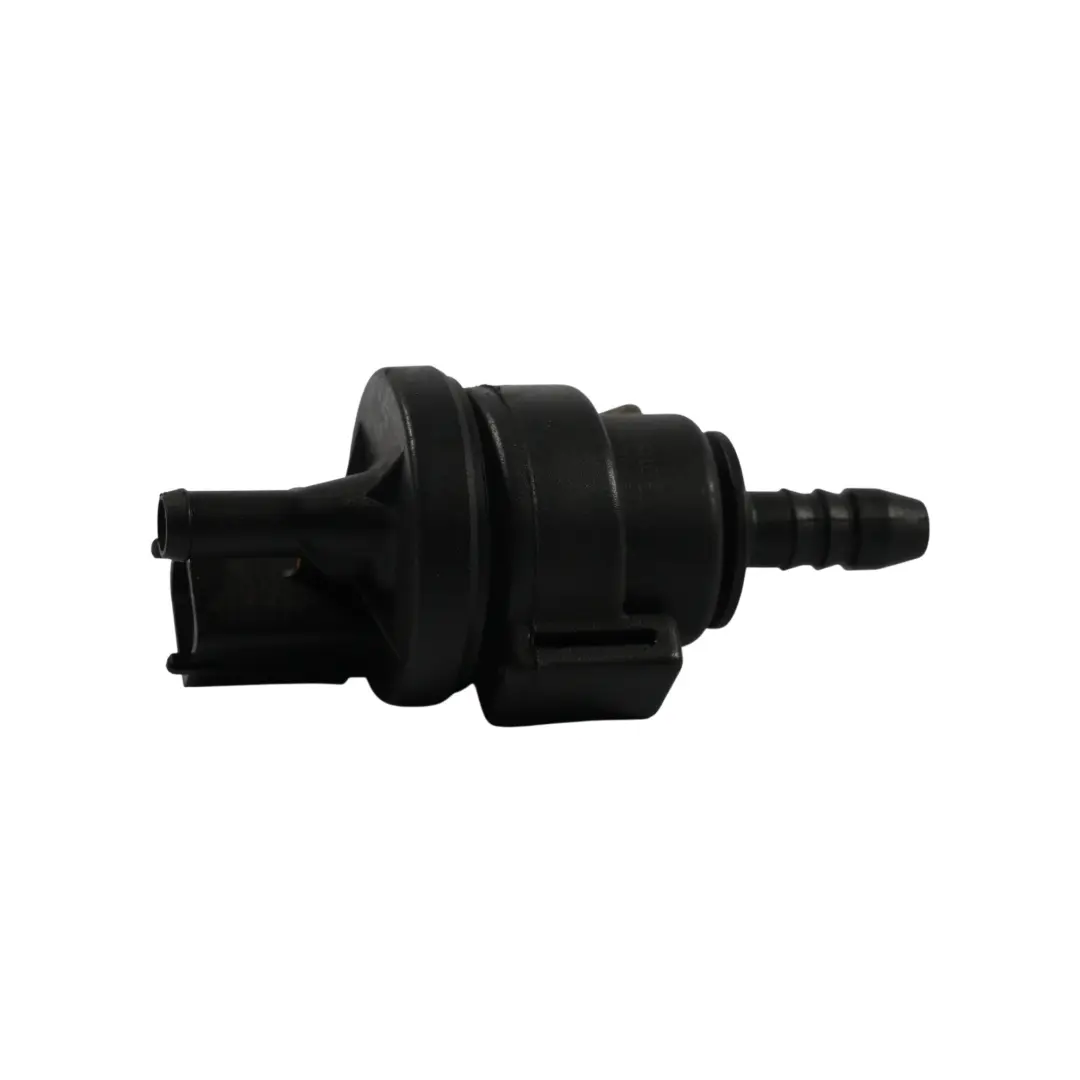
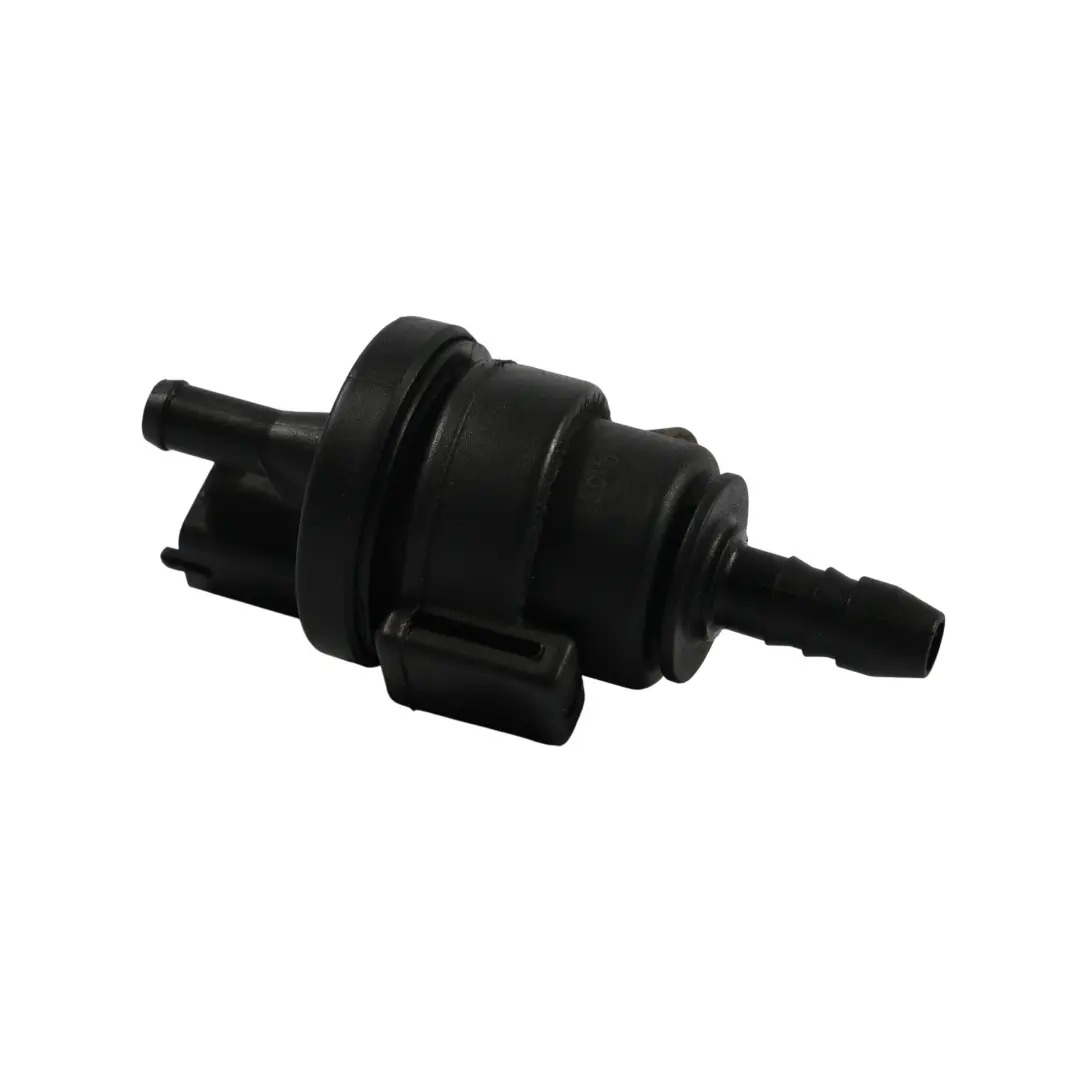
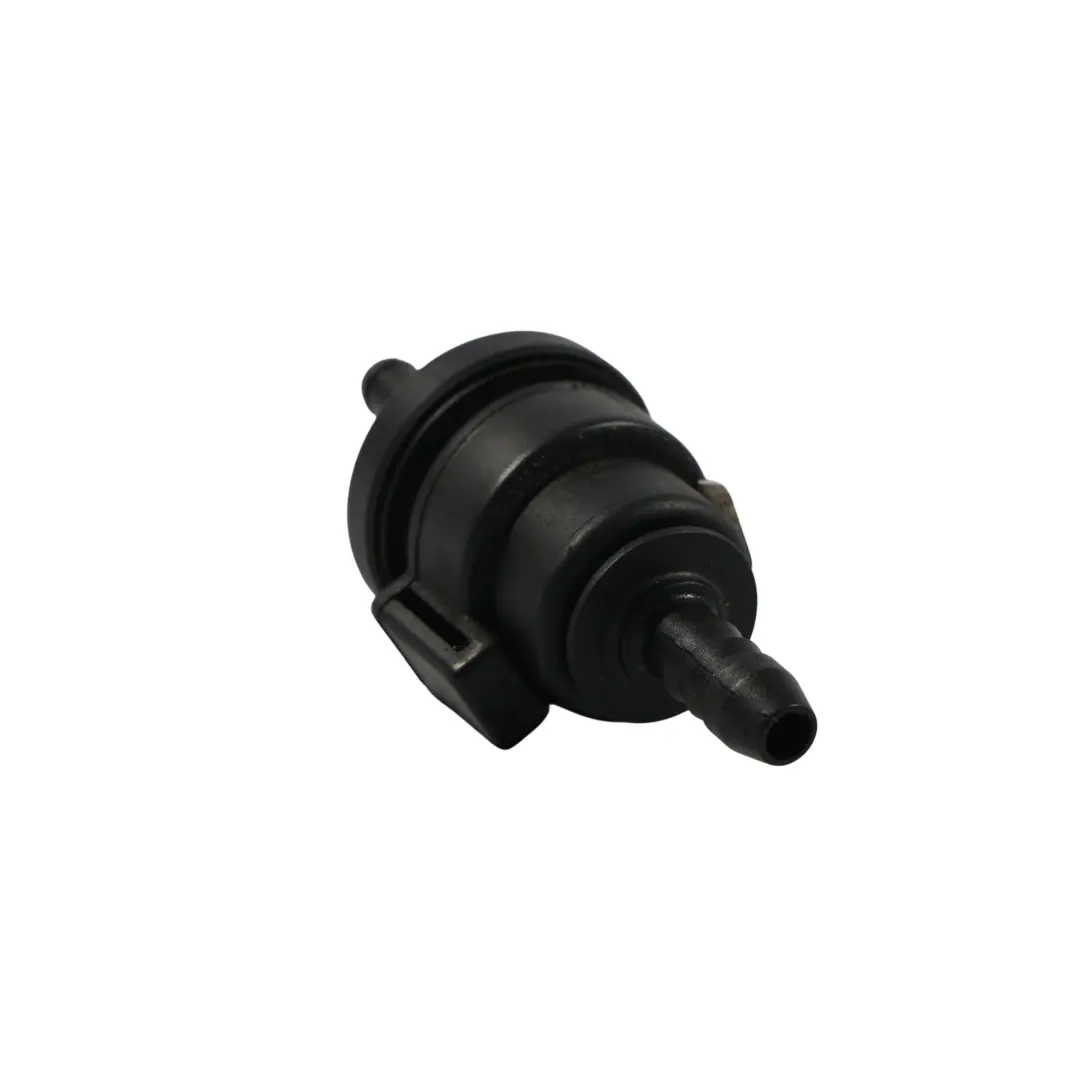
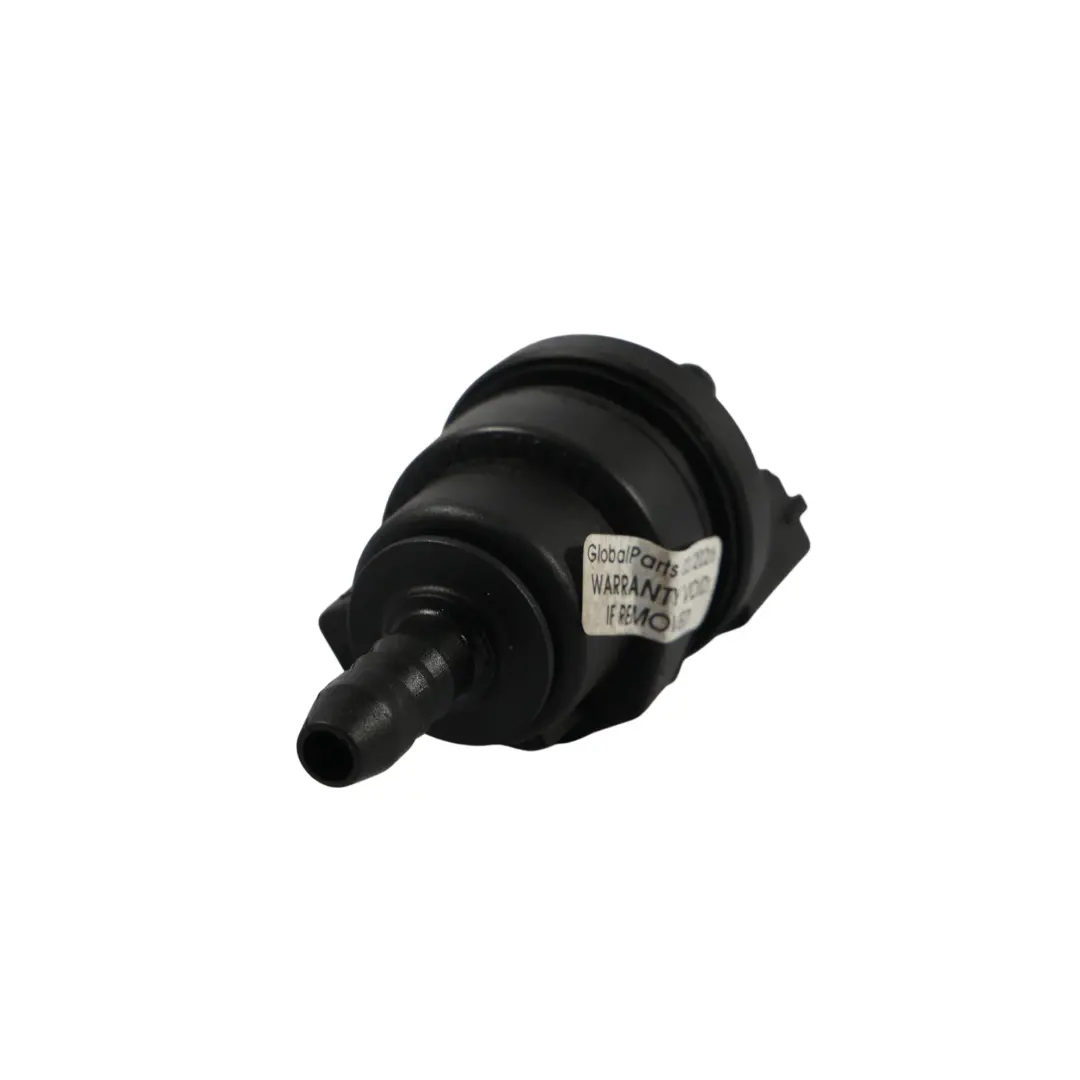
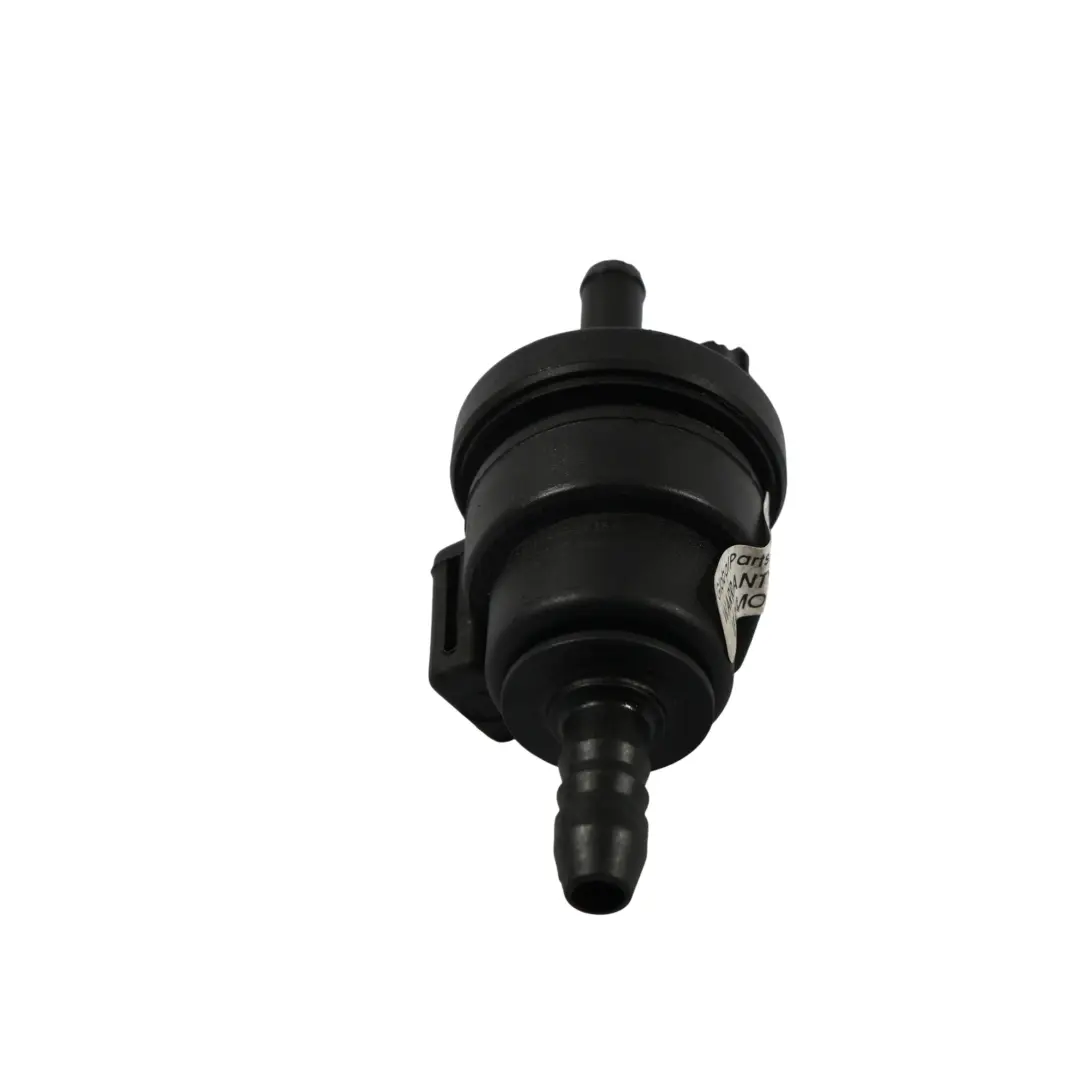
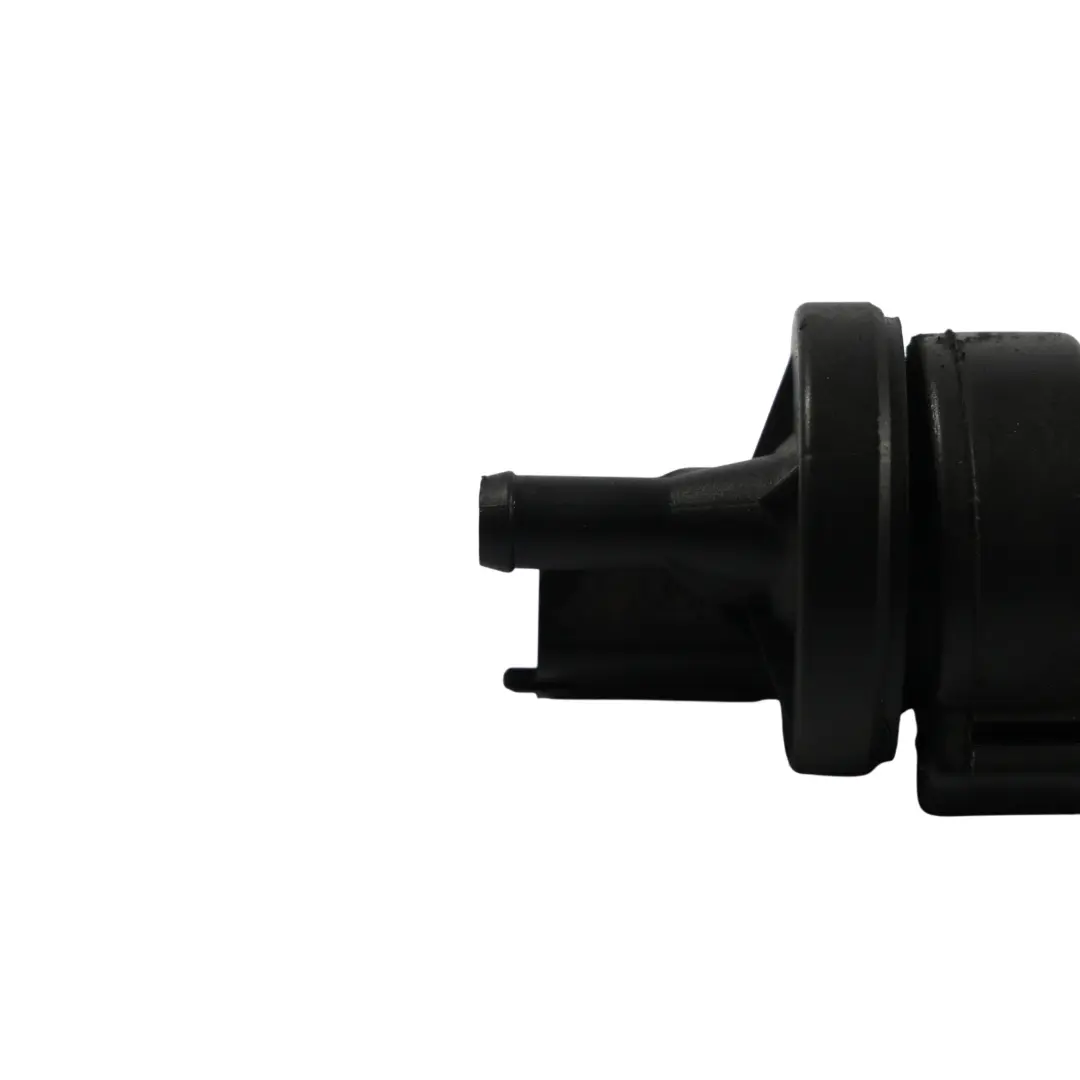
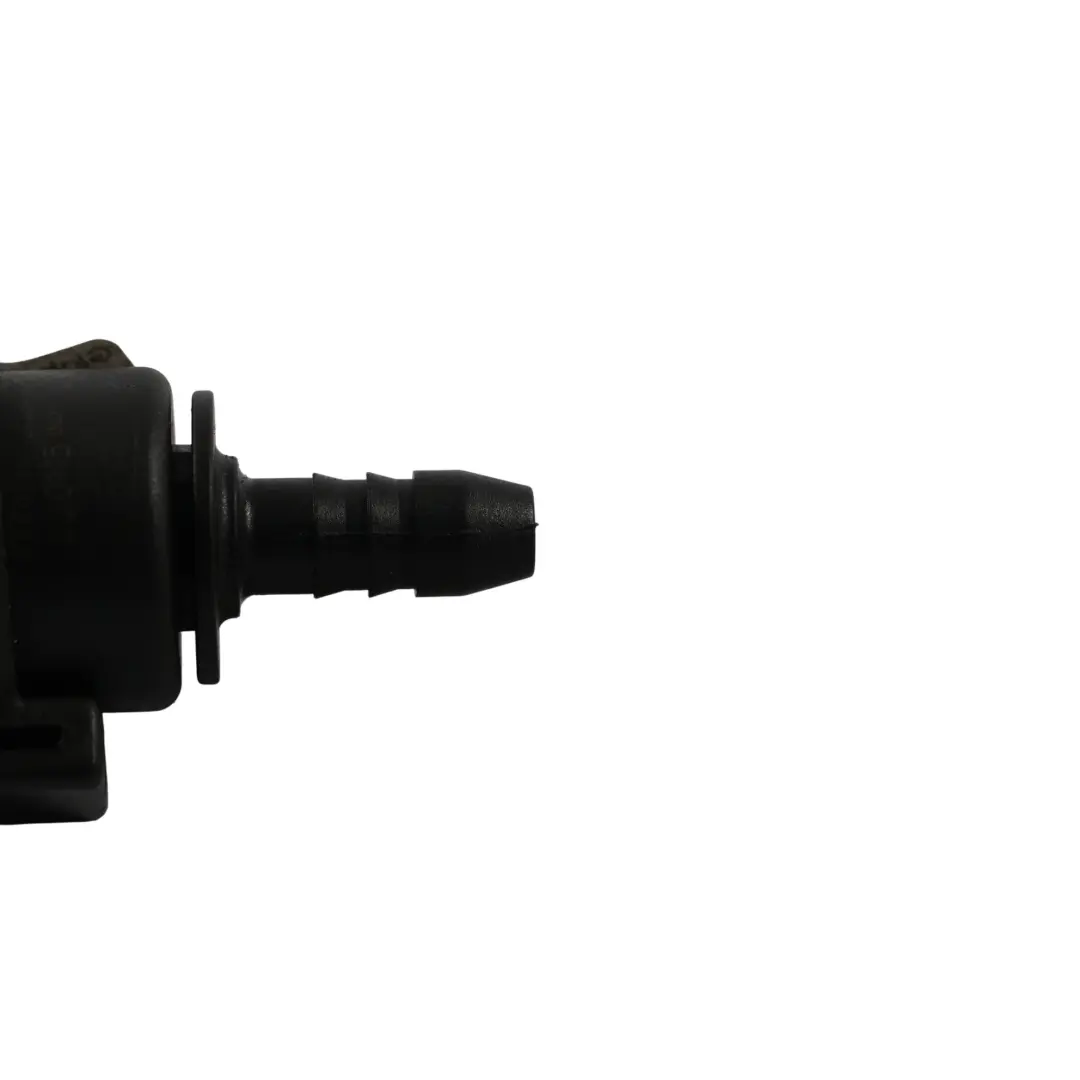
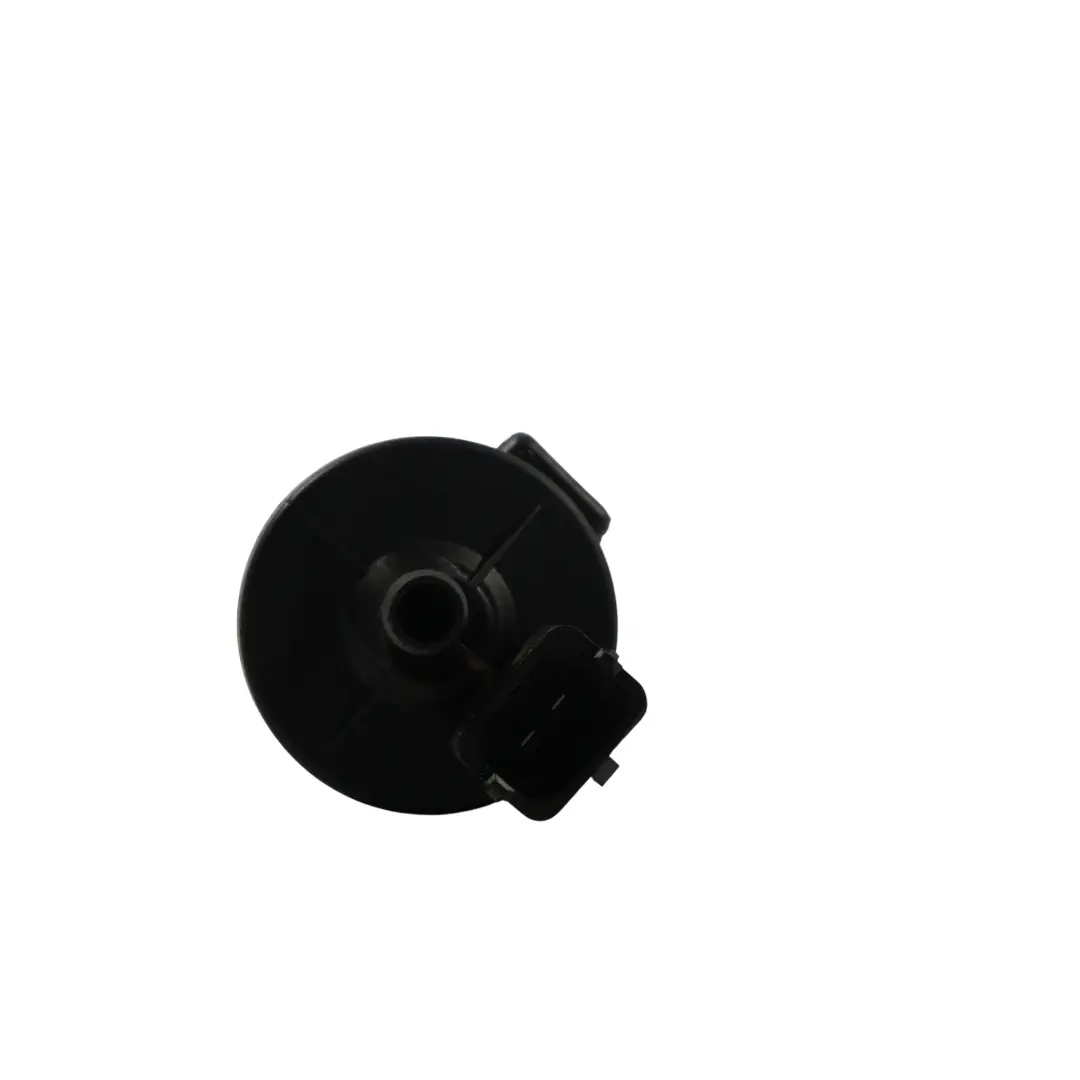
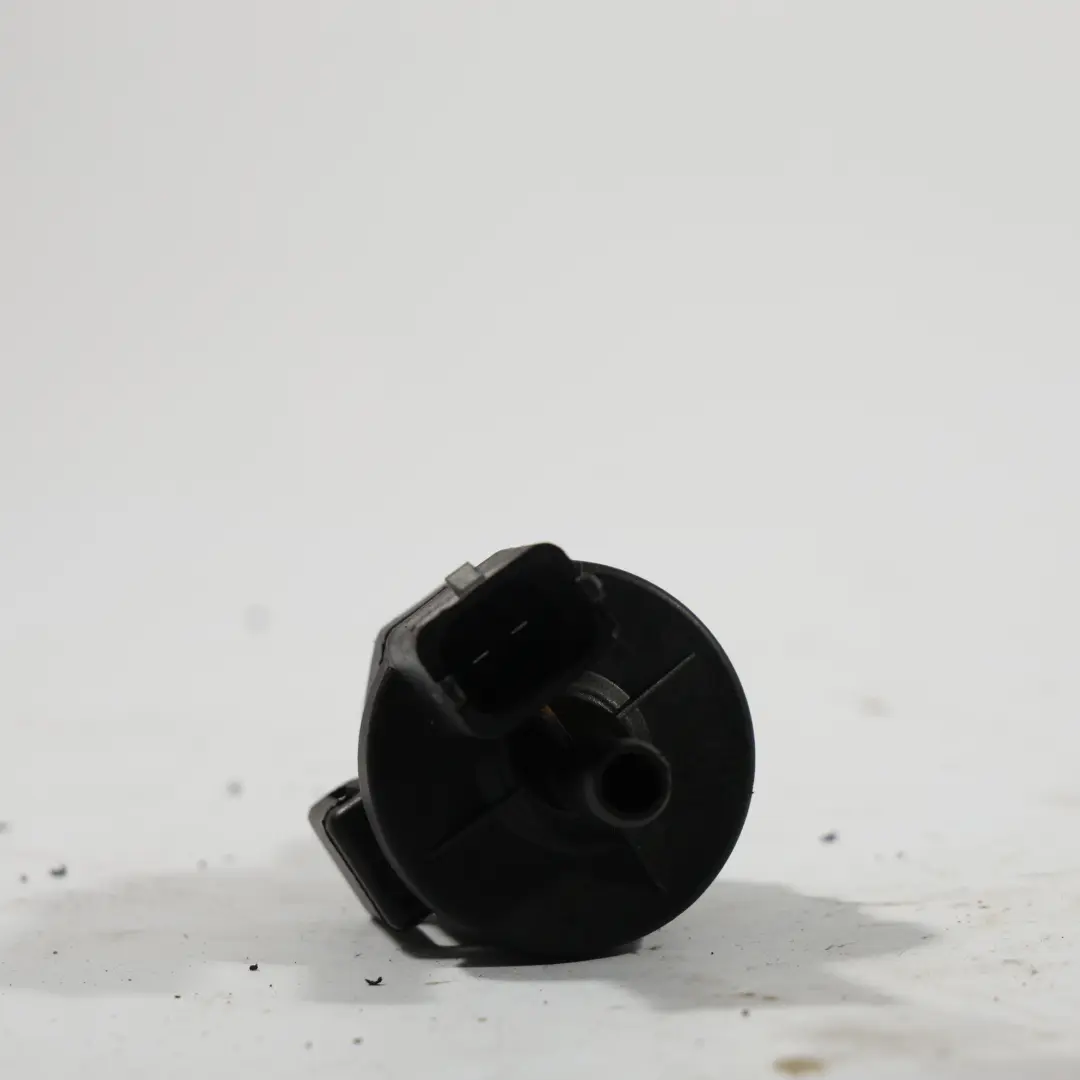
Porsche Cayenne Turbo 9PA Air Vacuum Sensor Breather Line 94811020101
SKU: 94811020101
Product from a certified dismantling facility
Condition:
Used
Available:
0
Delivery time:
Product currently unavailable
Payment methods:








Returns:
30 days return
Delivery from:
€0.00
This part is currently not available. Leave your email and we will notify you when the product is available again.
The Porsche Cayenne Turbo 9PA Vacuum Sensor 94811020101 is a component from the engine sensors and switches category, designed for precise control of the engine parameters in the Porsche Cayenne Turbo 9PA generation. This used, original component helps maintain consistency with the factory engine control system architecture, ensuring stable operating conditions and predictable responses to load. It's a practical solution for users who want to restore proper system functionality without the need for costly replacement with a new part.
Specifications and technical data
- SKU: 94811020101
- Mark: Porsche
- Condition: Used
- OEM Part Number: 94811020101
- Substitutable numbers: 94811020101, 948 110 201 01, 948 110 202 01, 94811020201
- Category: Engine Sensors & Switches
The Role of the Vacuum Sensor in the Porsche Cayenne Turbo 9PA
The vacuum sensor in the Porsche Cayenne Turbo 9PA is responsible for monitoring conditions in the intake system and transmitting signals to the engine control unit. A properly functioning component allows for:
- stable regulation of fuel dosage and boost pressure,
- smooth transitions between different load ranges,
- reduced risk of power loss and hesitation during acceleration,
- maintenance of correct operation of engine management-related systems.
Thanks to this, the vacuum sensor for the Cayenne Turbo 9PA directly influences the engine's running smoothness, throttle response, and overall drivetrain efficiency.
Benefits of Using an Original Porsche Engine Sensor
Choosing an original sensor from the Porsche engine sensors and switches group primarily means compatibility with the factory control unit software. In practice, this translates to:
- maintaining operating parameters in line with manufacturer specifications,
- no need for adaptation or modification of the electrical installation,
- consistency with other components of the engine control system,
- reduced risk of diagnostic errors resulting from incompatible aftermarket parts.
Additionally, using an original component facilitates easier future diagnostics – values read by the diagnostic tool align with factory maps, making it easier for mechanics to assess the system's condition.
Selection and Compatibility of the Vacuum Sensor
When selecting a vacuum sensor for the Porsche Cayenne Turbo 9PA, it is crucial to match it to the specific engine version and use a component from the correct production line. This sensor model has an assigned OEM part number and associated interchangeable numbers, which simplifies verifying compatibility with a specific vehicle configuration. If in doubt, it is advisable to compare the markings with the existing component or consult the manufacturer's catalog.
If you are looking for other Porsche engine sensors and switches, check availability in our catalog: Porsche engine sensors and switches.
Practical Installation and Diagnostic Tips
Before installing the vacuum sensor in the Porsche Cayenne Turbo 9PA, it is recommended to:
- check the condition of vacuum hoses and electrical connectors,
- verify the airtightness of the intake system,
- clear any stored fault codes in the control unit after replacement,
- monitor live data parameters with a diagnostic tester after the first start-up.
A correctly performed replacement can quickly eliminate symptoms such as unstable idle, power loss, or the engine warning light related to incorrect vacuum readings.
Why Choose a Used Original Part
A used vacuum sensor for the Cayenne Turbo 9PA offers a sensible compromise between cost and functionality. You receive a component from the original Porsche production line that maintains factory operating parameters and is compatible with the control system's design. This solution is particularly beneficial for older vehicles where restoring proper engine operation at controlled service costs is a priority.
To better understand the impact of individual components on engine longevity and to avoid overheating issues, it is worth reading the guide: Engine Cooling System – Overheating, Repair, and Used Radiators. This will provide a broader perspective on the interdependencies between the control system, cooling system, and the overall condition of the engine.
Delivery details
Ship to: Austria
Check delivery times for another country
Delivery Price
Service
Postage and packaging
Delivery time
Estimated delivery dates include sellers dispatch time, origin postcode,destination postcode and time of acceptance, and will depend on the postage service selected and receipt of cleared payment. Delivery times may vary, especially during peak periods.
Will usually dispatch within same working day if paid before 14:00 BST (excludes weekends and holidays). Expected dispatch time may vary and is based on sellers order cut-off time.
In the automotive store Global Parts, we offer fast and secure deliveries for our customers in Austria, ensuring maximum compliance with local service standards. Each order is processed with the utmost attention, guaranteeing a fluid shopping process and a timely delivery. If you need assistance in choosing the right part, our team of consultants will be happy to help you find the right part for your vehicle and provide information on installation, availability and parameters of the selected components.
Proposed car parts:

Part no. 95510093400
Porsche Cayenne 9PA 955 957 Bare Engine M05.9D 3.0 TDI 240HP 99k miles, WARRANTY
€3,799.95
Free delivery: Jul 24 – 29
If paid before 14:00

Part no. 95534901040
Porsche Cayenne 955 9PA Front Axle Differential Diff I=3,9 95534901040 WARRANTY
€745.95
Free delivery: Jul 24 – 29
If paid before 14:00
Part no. 95552118501
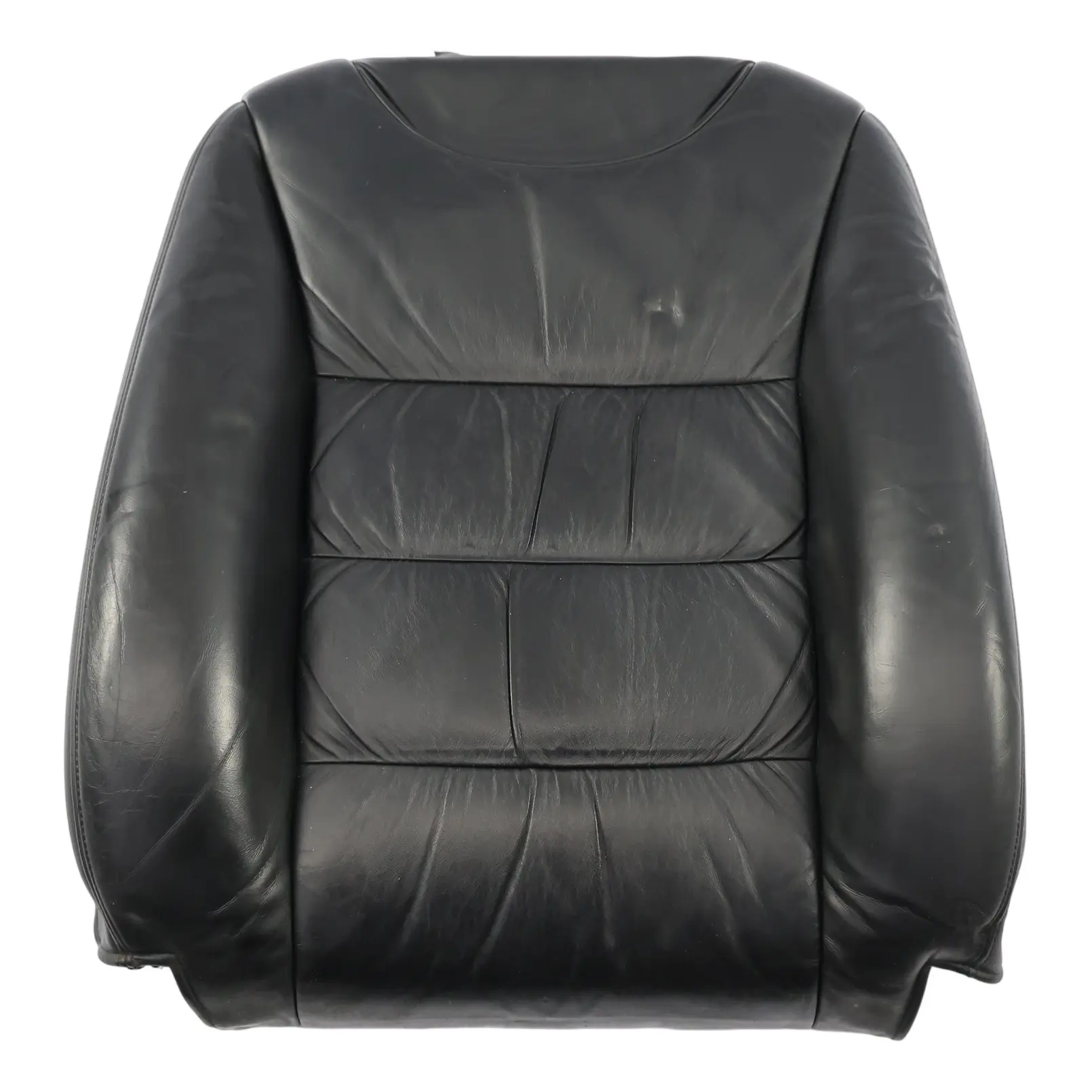
Porsche Cayenne 9PA Front Seat Backrest Cover Heated Leather Black Right O/S
€104.95
Free delivery: Jul 24 – 29
If paid before 14:00
Part no. 95833161101-1
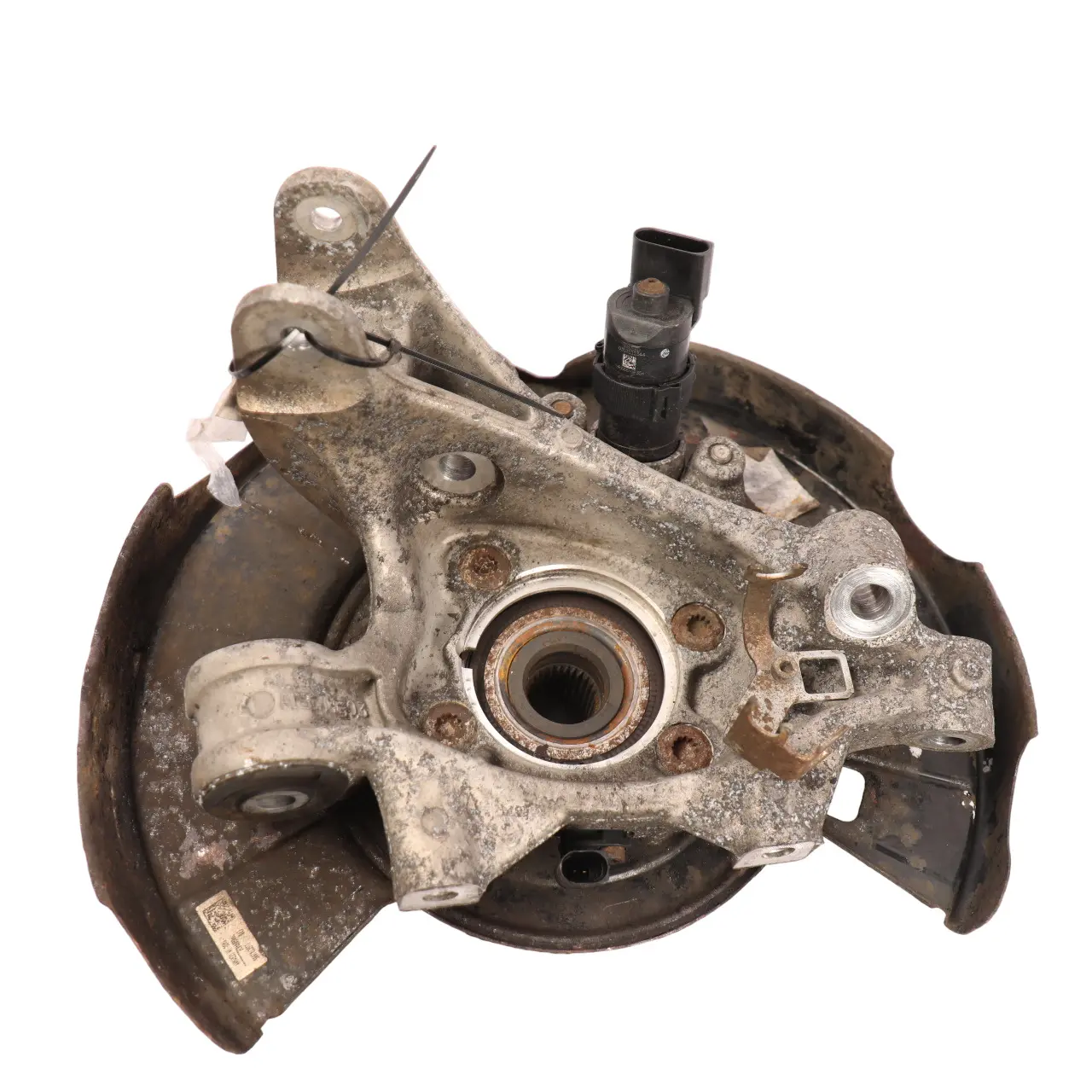
Porsche Cayenne 92A Wheel Carrier Bearing Hub Rear Left N/S 95833161101
€66.95
Free delivery: Jul 24 – 29
If paid before 14:00
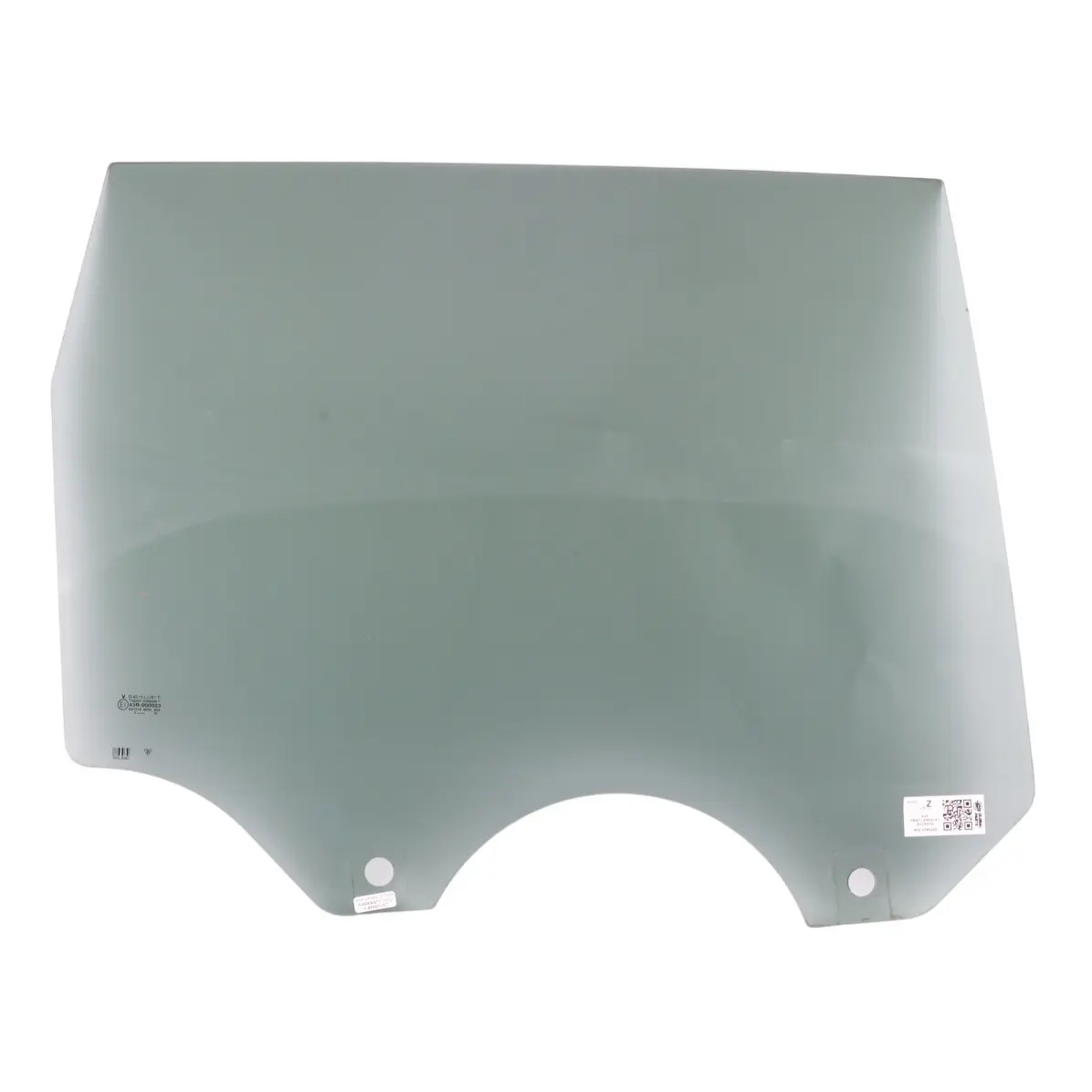
Part no. 95554261204
Porsche Cayenne 955 Door Window Glass Tinted AS3 Rear Right O/S 95554261204
€61.95
Free delivery: Jul 24 – 29
If paid before 14:00
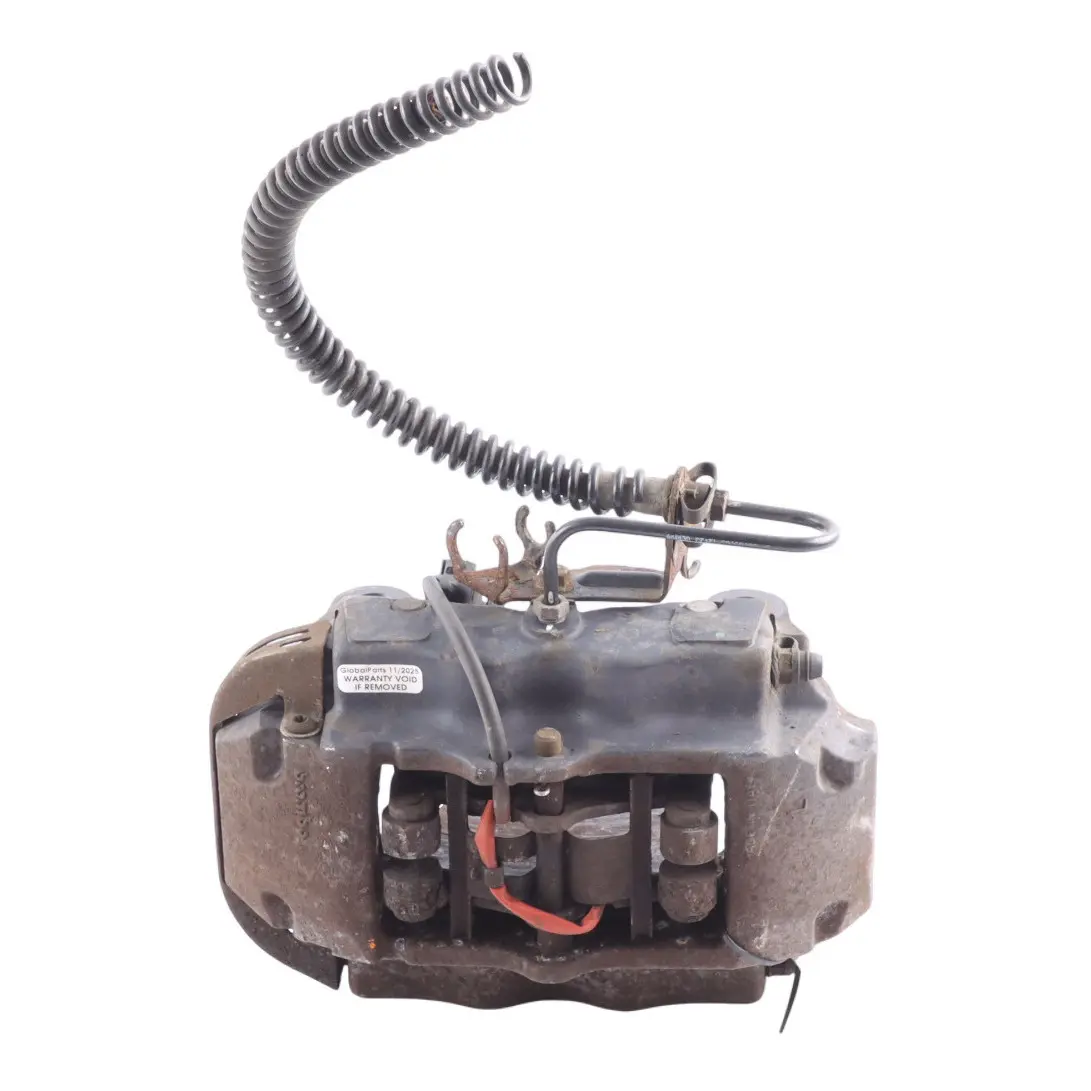
Part no. 95535242132
Porsche Cayenne 955 9PA Rear Brake Caliper Housing Left N/S 95535242132
€151.95
Free delivery: Jul 24 – 29
If paid before 14:00
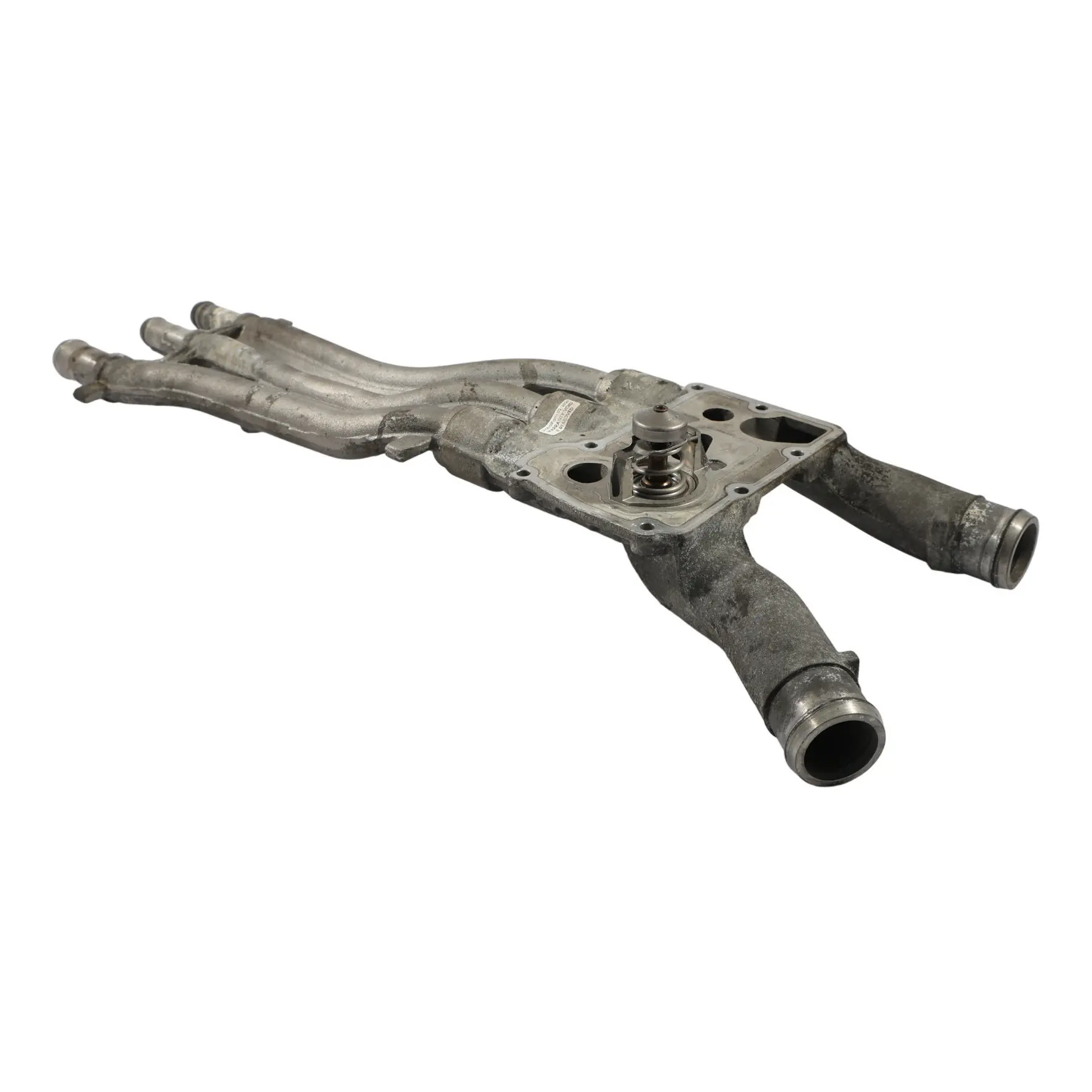
Part no. 94810613005
Porsche Cayenne 9PA Water Sleeve Coolant Cooling System 94810605904 94810613005
€180.95
Free delivery: Jul 24 – 29
If paid before 14:00
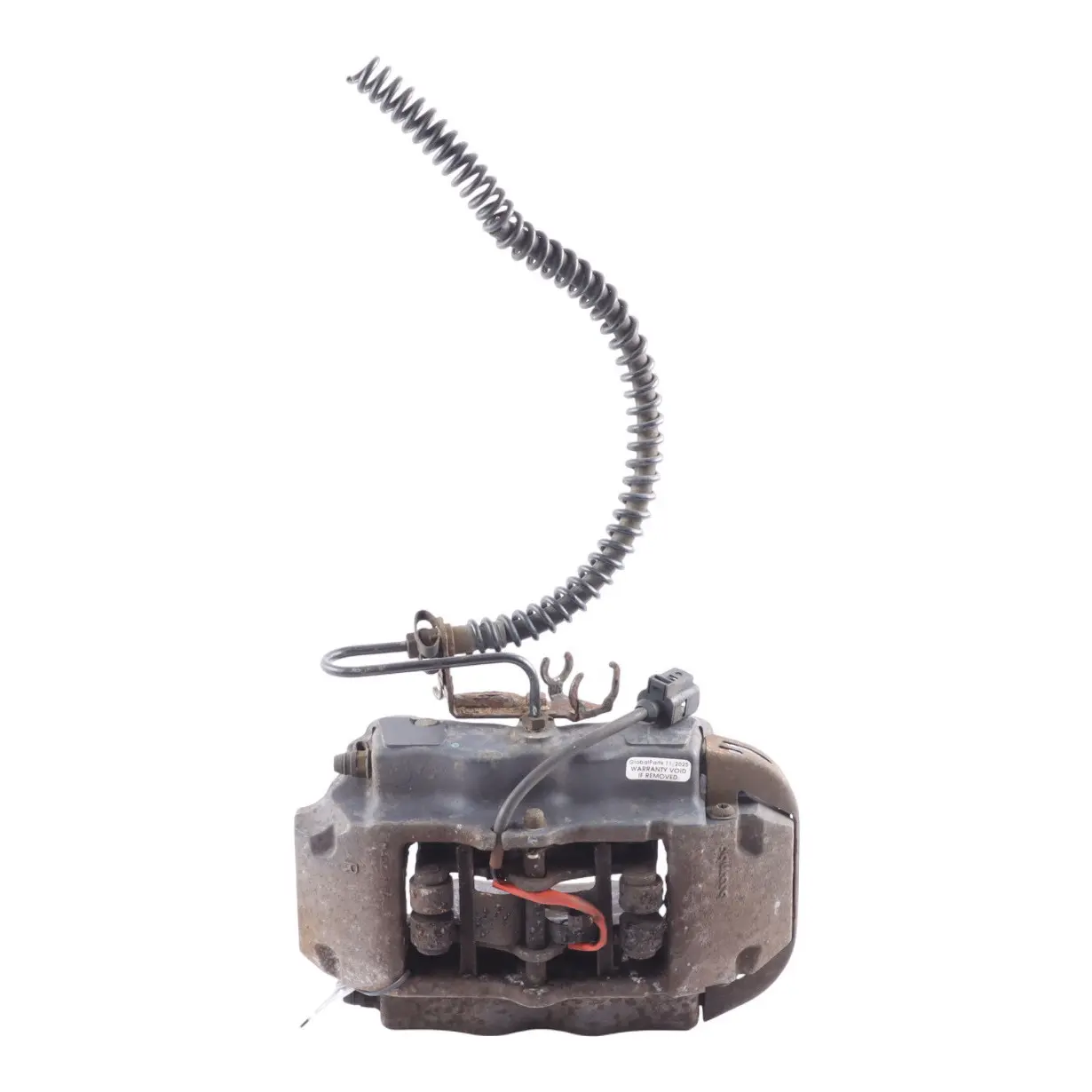
Part no. 95535242232
Porsche Cayenne 955 9PA Rear Brake Caliper Housing Right O/S 95535242232
€151.95
Free delivery: Jul 24 – 29
If paid before 14:00