


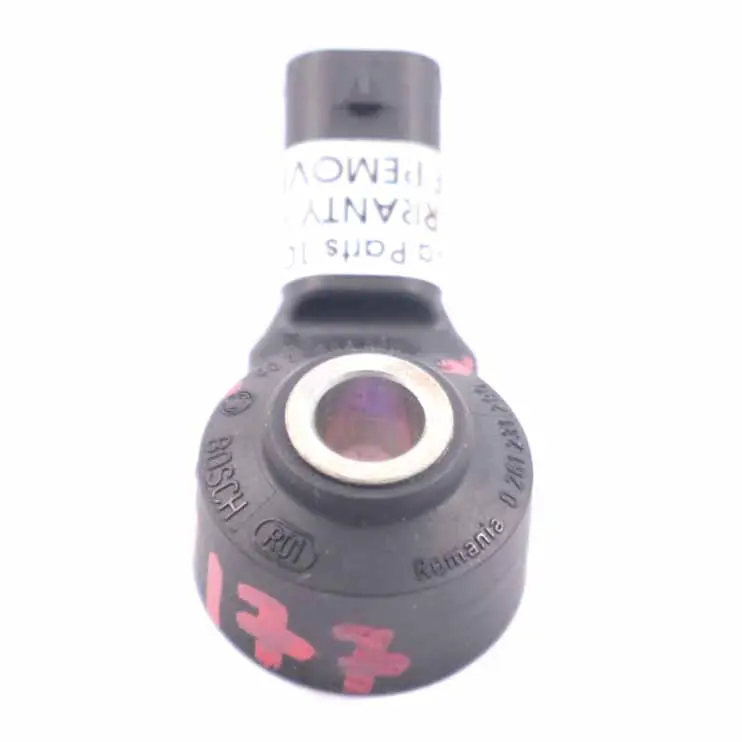
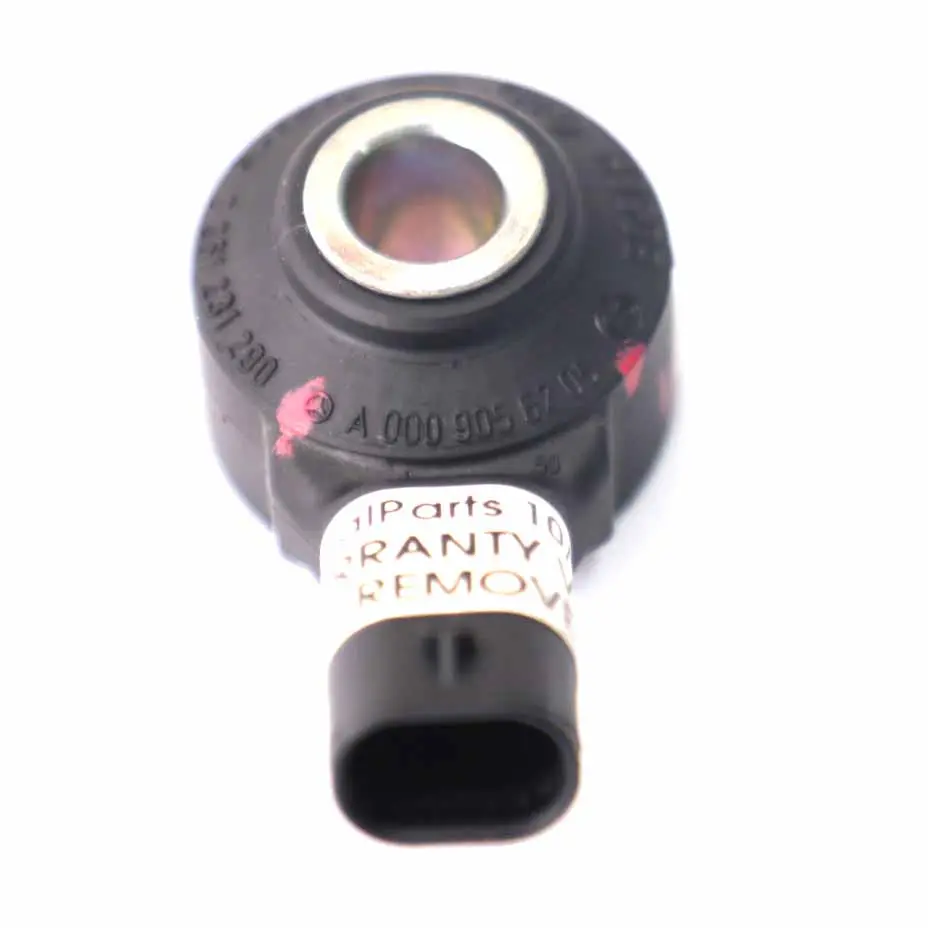
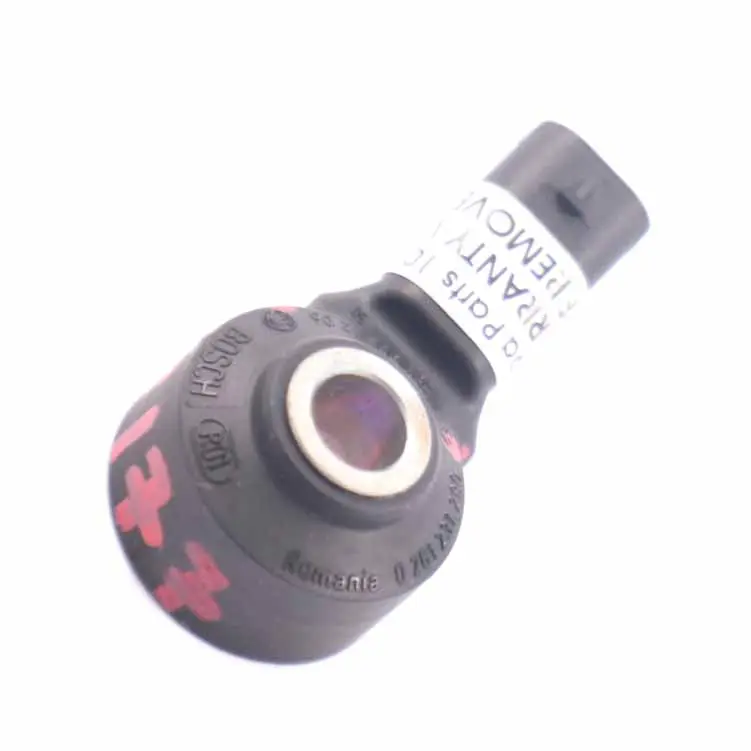
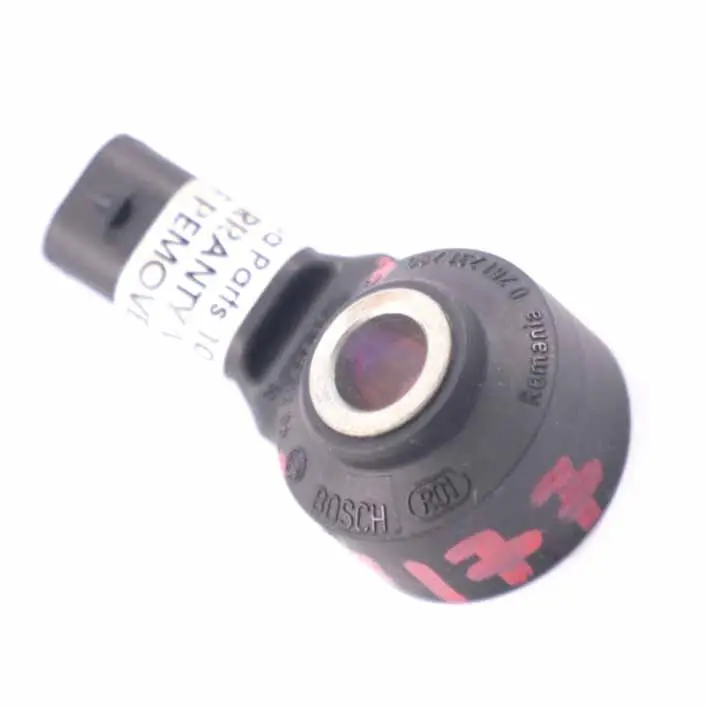
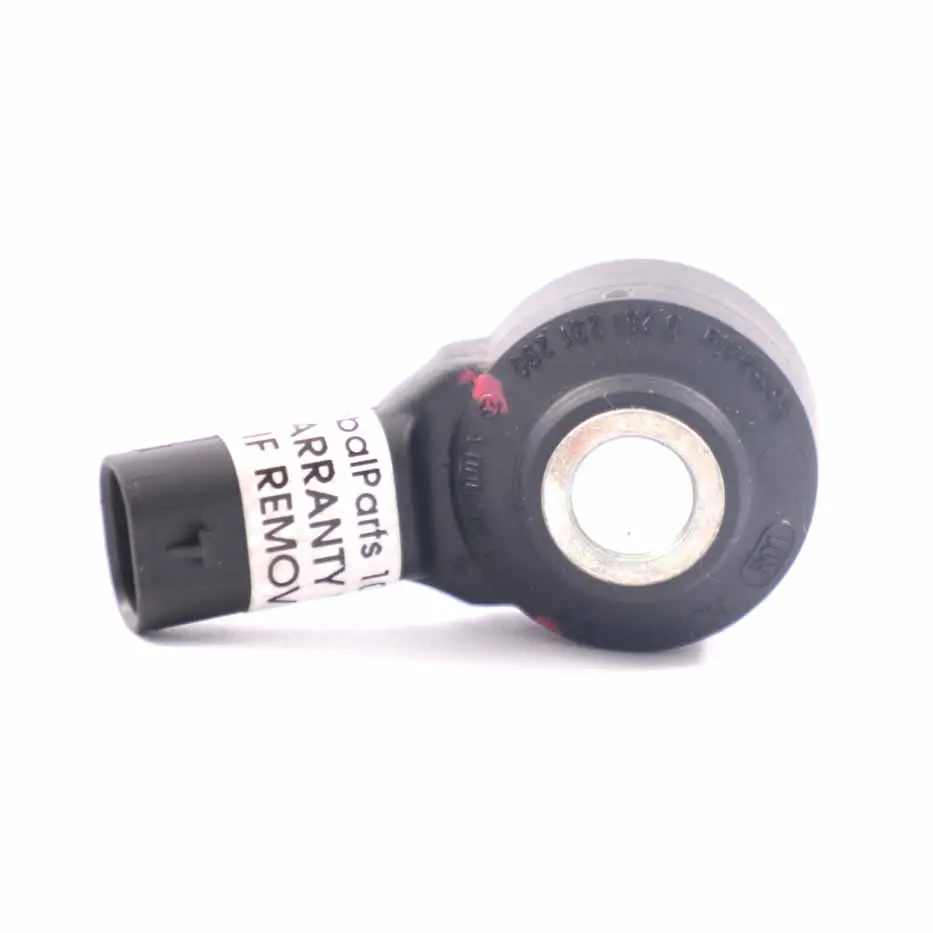
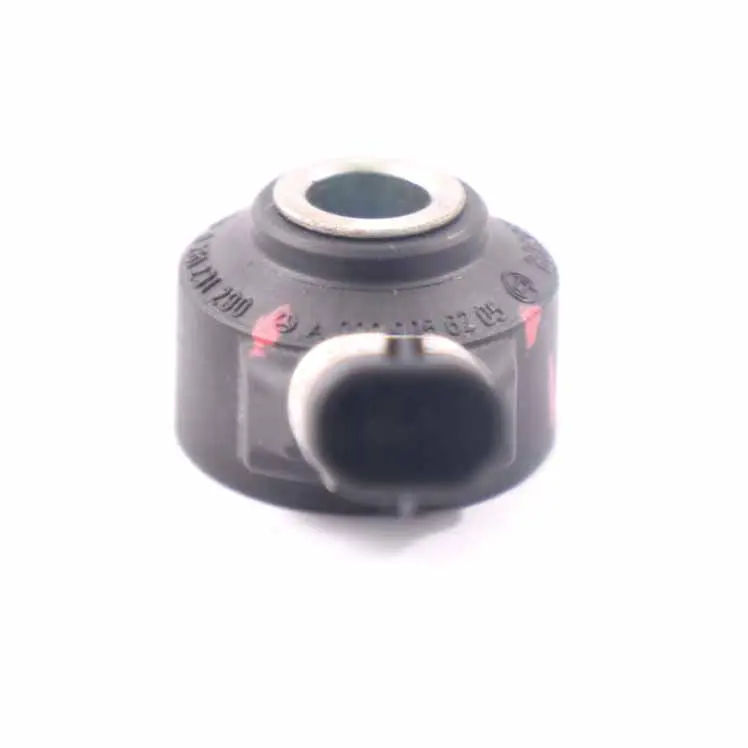
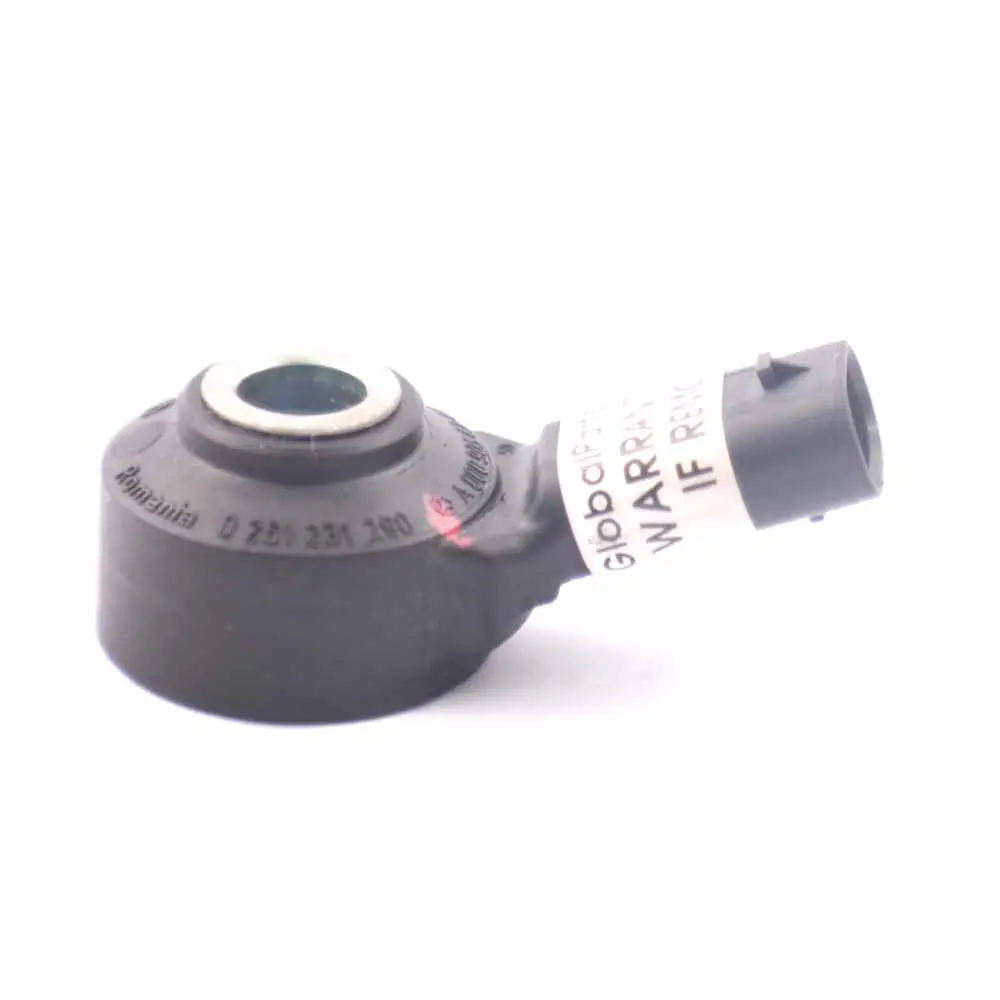
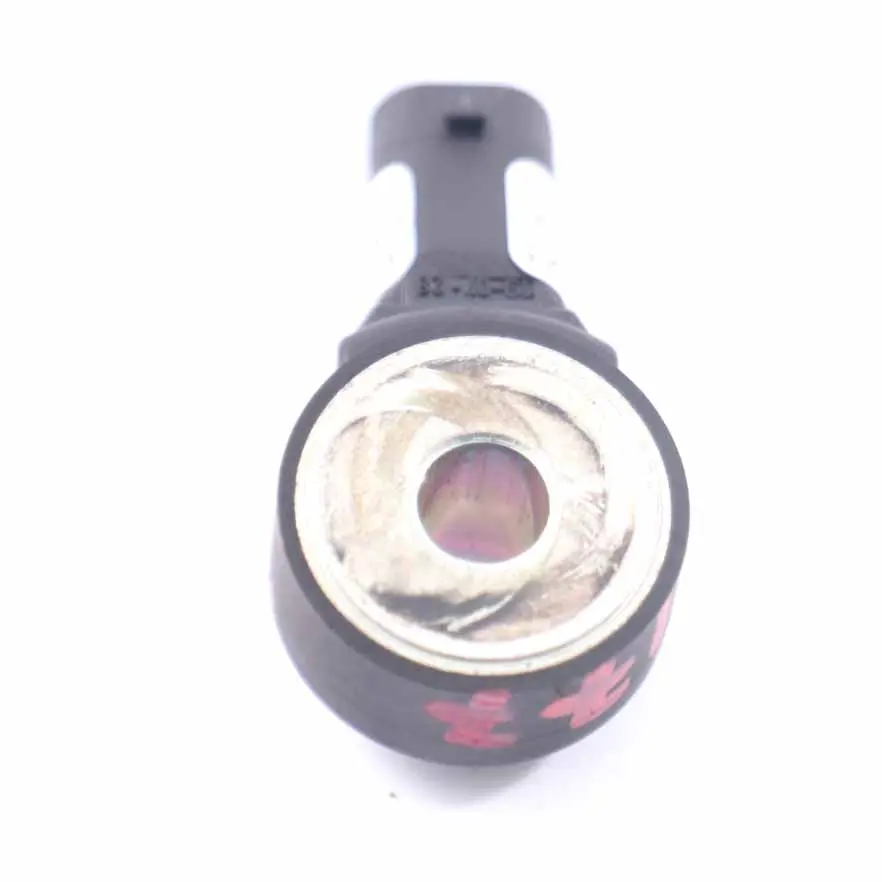
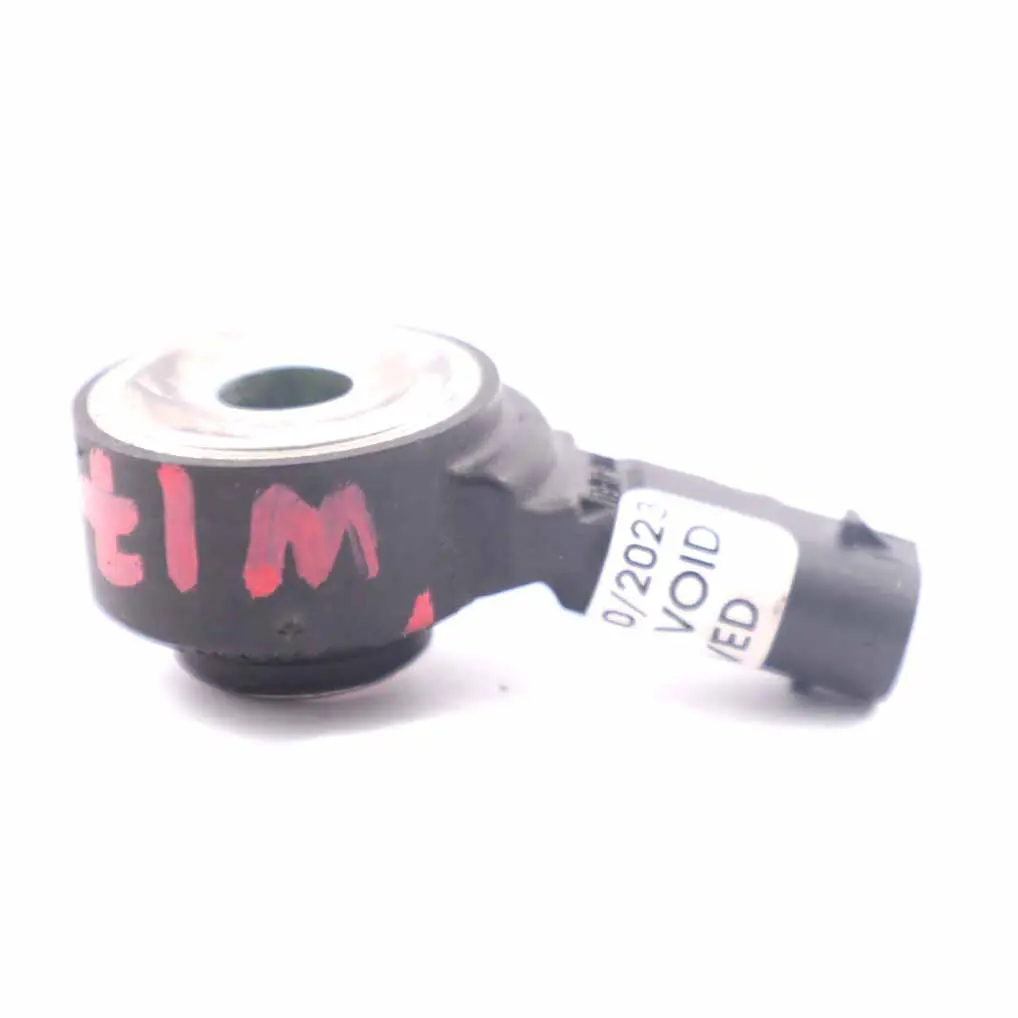
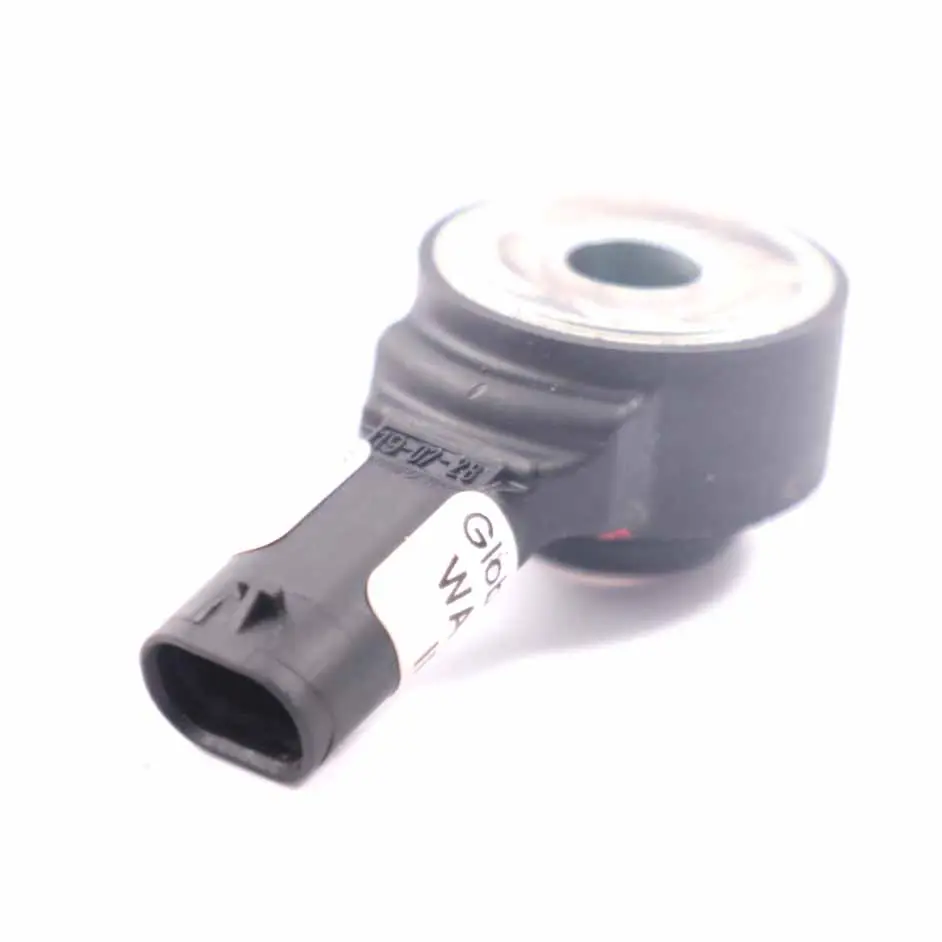
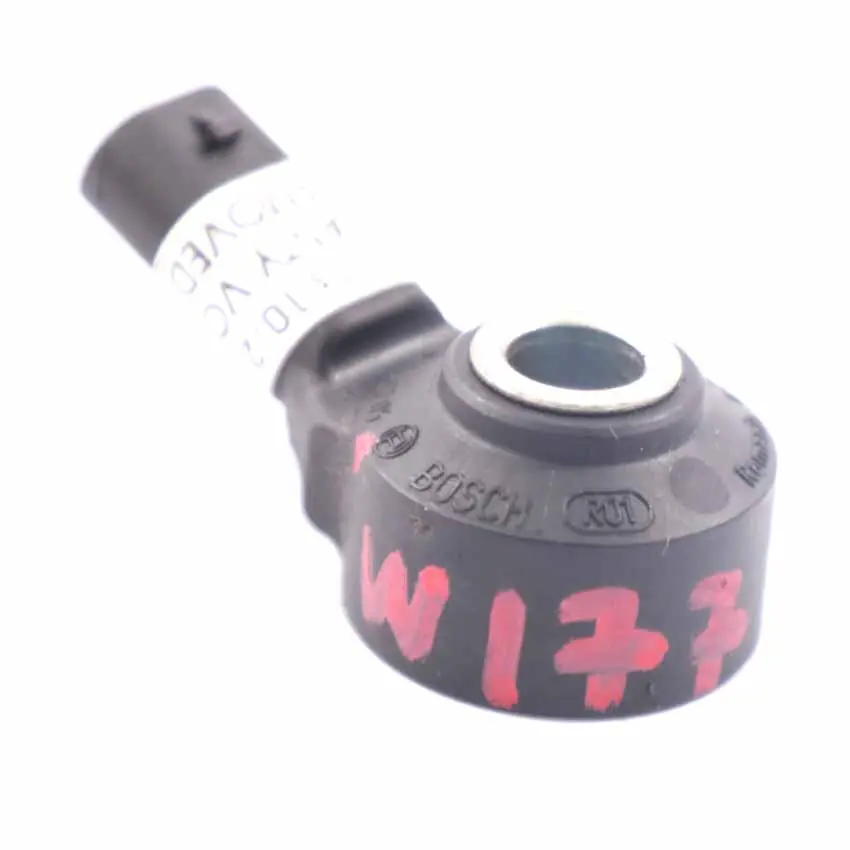
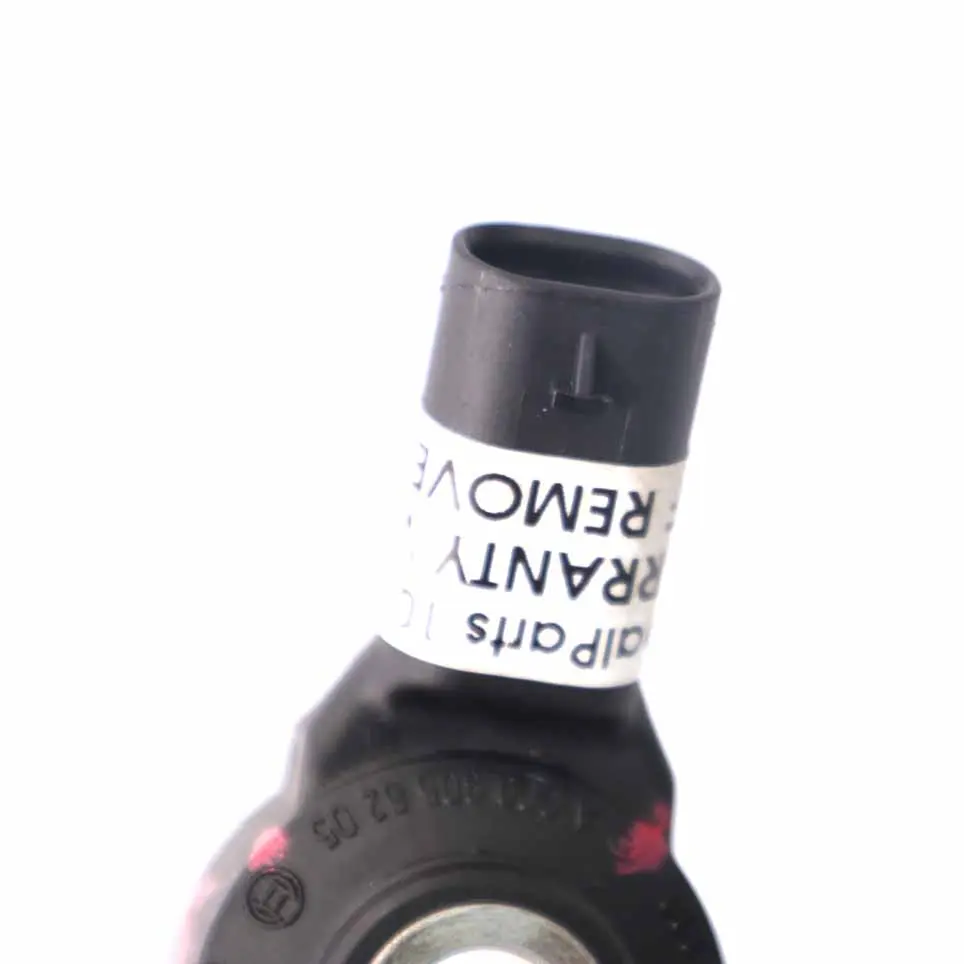
Mercedes W177 W247 M260 Petrol Knock Sensor Engine Crankcase A0009056205
SKU: A0009056205
Product from a certified dismantling facility
Condition:
Used
Available:
4
Delivery time:
Estimated delivery in the country Austria between Thu, Jul 09 and Tue, Jul 14
Dispatched today if paid before 14:00
Payment methods:








Returns:
30 days return
Delivery from:
Free delivery
€23.95
1
Lowest price in the last 30 days: €23.95
Total for items
€23.95
Mercedes W177 W247 M260 Petrol Knock Sensor Engine Crankcase is a precision component of the petrol engine control system, responsible for monitoring knocking combustion and transmitting data to the ECU. Thanks to this sensor, the power unit can operate under stable conditions, with optimal ignition timing and improved refinement. This solution is particularly important in modern engines, where accurate monitoring of the combustion process affects performance and component durability.
Specifications and technical data
- SKU: A0009056205
- Mark: Mercedes (Genuine OE)
- Condition: Used
- OEM Part Number: A0009056205
- Substitutable numbers: A0009056205, A 000 905 62 05
- Fuel type: Petrol
- Category: Crankshafts
Purpose and role in a petrol engine
The knock sensor in models with the M260 unit is responsible for continuous monitoring of the air-fuel mixture combustion process in the petrol engine. It detects vibrations characteristic of knocking combustion and sends a signal to the controller, which can then correct engine operating parameters. This type of solution helps reduce the risk of mechanical damage while maintaining favorable power and torque parameters.
For the user, this means more predictable throttle response, stable engine operation, and better utilization of the M260 design potential. Precise vibration reading is crucial, especially under variable loads and dynamic driving, where combustion conditions change rapidly.
Benefits of using an original sensor
Choosing an original knock sensor dedicated to the Mercedes W177 with the M260 engine allows you to maintain the factory operating parameters of the power unit. This component is designed for the specific vibration characteristics and frequencies occurring in this design, which translates into:
- consistent operation with the factory engine control software,
- stable combustion monitoring across the entire RPM range,
- reduced risk of uncontrolled knocking combustion,
- maintenance of the engine's dynamics and flexibility as intended by the manufacturer.
In the case of petrol units, it is particularly important that the sensor reacts in a repeatable manner consistent with design assumptions. A properly selected component helps avoid incorrect ignition corrections that could reduce performance or cause rough engine operation.
Product characteristics and condition
The offered sensor belongs to the group of elements related to the Crankshafts category, which is an area directly related to engine mechanics and dynamics. As a used part, it comes from dismantling and is intended for reinstallation in a vehicle where compliance with factory specifications is required. Such components are often chosen when a combination of original design and reasonable repair costs is important.
In practice, installing a knock sensor in an M260 petrol engine comes down to properly seating it at the designated point on the block or in its immediate vicinity and correctly connecting the electrical harness. Maintaining the proper tightening torque and a clean contact surface is important for the quality of vibration readings, which is why it is worth entrusting the installation to someone with experience working with Mercedes units.
Application in the Mercedes drivetrain
In modern Mercedes designs, the knock sensor works with an extensive control system that analyzes many parameters simultaneously. This allows for precise adjustment of ignition timing to current load, temperature, fuel quality, and driving conditions. In the M260 petrol engine, this has a direct impact on:
- maintaining proper refinement at low and high RPMs,
- limiting the risk of premature mixture ignition,
- smoother acceleration without characteristic jerking,
- preserving the durability of mechanical components as intended by the manufacturer.
Replacing a faulty sensor with a functional one is one of the basic diagnostic steps for problems with rough engine operation, power loss, or ignition-related errors in petrol units.
System expansion within the same group
If you are planning a comprehensive repair or upgrade of the engine area in your Mercedes and need other elements from the same group, such as position sensors, mounting elements, or components working with the crank-piston system, check the available parts in the Mercedes Crankshafts category.
For drivers interested in a broader view of power unit operation under demanding temperature conditions, a guide on the impact of high temperatures on the cooling system and potential savings when using used components may be useful. You can find more information in the article Summer heat vs. cooling system: used radiators and fans as a guarantee of savings.
Delivery details
Ship to: Austria
Check delivery times for another country
Delivery Price
Service
Postage and packaging
Delivery time
Estimated delivery in the country Austria between Thu, Jul 09 and Tue, Jul 14
Dispatched today if paid before 14:00
Estimated delivery dates include sellers dispatch time, origin postcode,destination postcode and time of acceptance, and will depend on the postage service selected and receipt of cleared payment. Delivery times may vary, especially during peak periods.
Will usually dispatch within same working day if paid before 14:00 BST (excludes weekends and holidays). Expected dispatch time may vary and is based on sellers order cut-off time.
In the automotive store Global Parts, we offer fast and secure deliveries for our customers in Austria, ensuring maximum compliance with local service standards. Each order is processed with the utmost attention, guaranteeing a fluid shopping process and a timely delivery. If you need assistance in choosing the right part, our team of consultants will be happy to help you find the right part for your vehicle and provide information on installation, availability and parameters of the selected components.